Chester’s Revolution: A Fight Against Government Oppression

GROFF MEDIA 2024© TRUTH ENDURES IMDBPRO

Presented by benandsteve.com By: Benjamin Groff II©s
4–6 minutes

When the world turns against you, what do you do? This question had boiled under Chester’s contempt for days. He had watched the nation he loved become the opposite of everything it had ever stood for. The people appeared powerless to stop the crazed leaders who were taking control of the institutions and destroying them.

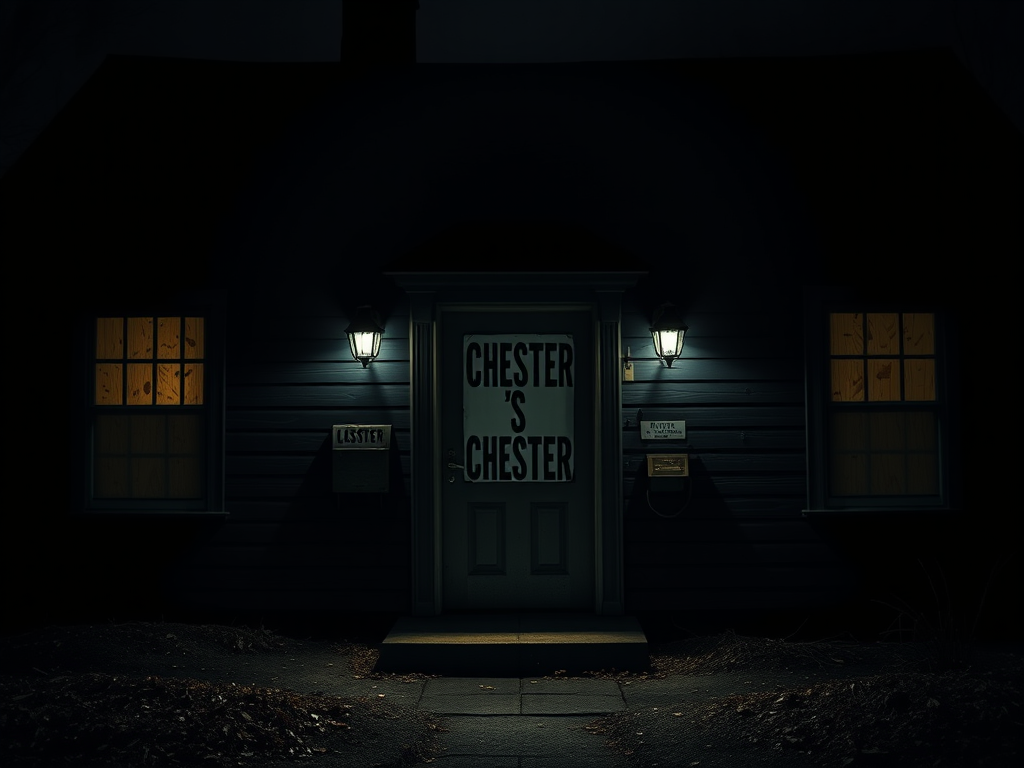
Chester became so incensed that he quit his job. He took about three hundred dollars, bought as many canned food items as possible, and stored them in his home. Chester then purchased one hundred dollars’ worth of bottled water. He had planned for the loss of electricity and home heating petroleum. Chester had medical supplies he thought would handle any matter related to his health. Then, he went and nailed his doors and windows shut. He placed a sign on the outside of his home stating:

I AM HOME – ALIVE – I DO NOT WANT CONTACT WITH THE OUTSIDE WORLD OR ITS DISTURBING GOVERNMENT. THIS HOUSE IS OFF LIMITS TO EVERYONE. PLEASE DO NOT ENTER!

Then, in chalk, on a board that slid in and out from the interior of the home, it read:

DATE – 2-16-2025

Chester planned to update the date every night to let the outside world know he was still alive.

Chester planned to live without listening to what was happening around him. He believed it was the only way he survived. Chester wanted to help others but had no solution, power, or ability. For Chester, this was all he thought he would do.

His home was significant. It had five bedrooms, four bathrooms, two living areas, two kitchens, and a mother-in-law suite. He had inherited it from his parents after they passed. It was paid for, and he had taken control of their Trust. He didn’t have any financial issues.

Every morning, Chester would visit the mother-in-law’s suite. It offered a view of a once-lively park. The government has now abandoned the park. He often spotted young figures lurking behind the trees, their presence a haunting mystery. Why were they there? Why were they hiding? And most puzzling of all, why did they seem to have nowhere else to go?

One day, curiosity got the best of him. He grabbed his hammer. He pulled the nails out around the suite’s window. He cracked it open, trying to hear their conversations.

Two young girls and two young men were hiding behind a tree, whispering urgently. Chester leaned in closer and heard them say:

“Look, it won’t hurt, and we will be free of this world. If we stay any longer, it will only get worse. They will kill us if we don’t beat them to it!”

Chester’s blood ran cold. What in the world were they talking about? Was this some game? Or were they seriously considering group suicide? And was the government truly hunting these kids?

He had heard about new policies stripping rights from the LGBTQI+ community and disenfranchising people of color. But had it escalated to mass executions? Chester had to find out.

He rummaged through an old trunk in his father’s Hollywood memorabilia. It contained all sorts of disguises: wigs, glasses, vintage clothing. Chester dressed as an older, disheveled homeless man and prepared to venture outside for the first time in weeks.

What he would learn would be devastating.

The streets were eerily quiet, yet tension hung in the air like a brewing storm. Checkpoints had been set up at major intersections, where government enforcers—men in military gear with no insignias—patrolled with assault rifles.

Posters were plastered everywhere, declaring:

 “FOR THE SAFETY OF OUR NATION, COMPLIANCE IS MANDATORY.”

 Others simply stated: 

“NON-CONFORMISTS WILL BE RELOCATED.”

Chester approached a group of homeless people warming their hands over a fire in a rusted oil drum. They regarded him warily but allowed him into their circle.

“What’s happening?” 

Chester asked, playing the role of a lost drifter.

A man with hollowed-out cheeks and weary eyes responded,

“They’re rounding people up. Anyone who resists, anyone different. They disappear.”

Chester asked quickly,

“Disappear where?”

The man shook his head.

“No one knows. Some say camps. Others say execution sites.”

Chester’s stomach twisted into knots. The government wasn’t just oppressing people; it was actively erasing them. The kids in the park weren’t paranoid—they were running for their lives.

He couldn’t stay hidden anymore. He had to act.

That night, under the cover of darkness, Chester snuck back to his house and removed the sign from his door. He pried open his windows, unlocked the doors, and gathered supplies. With his home’s ample space and well-stocked provisions, he offered sanctuary to those with nowhere else to go.

The next day, he returned to the park and approached the young people cautiously.

“Come with me,” he whispered. “You don’t have to run anymore.”

At first, they hesitated, but the desperation in their eyes mirrored his determination. One by one, they followed him back to his home. Chester had spent weeks barricading himself from the world, convinced that isolation was the only way to survive. But now, he understood—survival was not just about enduring. It was about resisting.

And Chester was ready to fight back.


“LGBT people are some of the bravest and most potent change agents and leaders I have encountered. They are the most forceful defenders of the vulnerable and voiceless because they know what it’s like to be there.” 
-–– Ronan Farrow -–– a journalist known for his investigative work with the New Yorker and member of the LGBTQI+ Community


Warm Bread, Warm Hearts: A Touching Tale from Willowbrook

GROFF MEDIA 2024© TRUTH ENDURES IMDBPRO

Presented by benandsteve.com By: Benjamin Groff II©

2–4 minutes

The Baker’s Extra Loaf

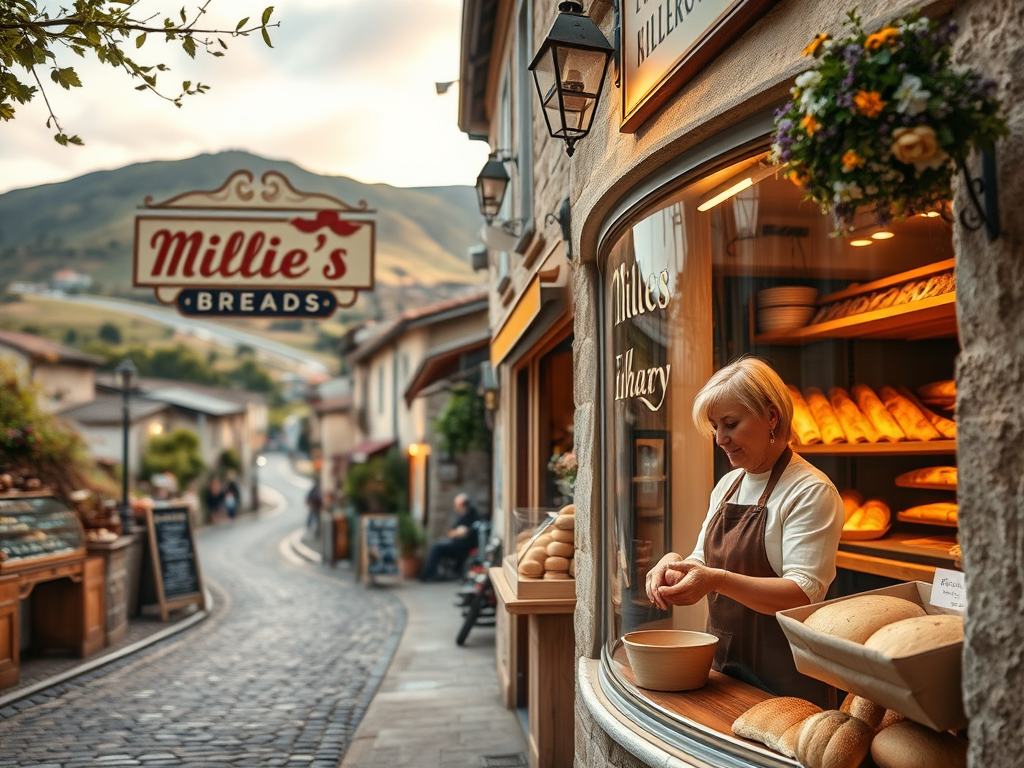
Willowbrook was a quaint town nestled between rolling hills and winding cobblestone streets. In this charming setting, a little bakery called Millie’s Breads stood. Millie, the baker, had spent decades perfecting her craft. She kneaded dough with love, and the air filled with the comforting aroma of fresh bread.

Every morning, without fail, Millie would bake precisely enough loaves to meet the demands of her customers—except for one. Each day, she would bake an extra loaf. The townsfolk often wondered why, but Millie never spoke of it. The extra loaf sat on the counter until closing time. It remained untouched and unnoticed. By morning, it would quietly disappear, adding to the mystery.

Speculations floated through the town. Some believed Millie kept it for herself. She always said she had little appetite for bread after a long baking day. Others whispered that she was feeding a stray cat or a secret admirer. But no one knew the truth.

One chilly winter evening, young Emma, the florist’s daughter, stayed behind after closing. She wanted to help her mother pick up an order of pastries for a town event. As they waited, Emma noticed Millie wrapping the extra loaf in brown paper and slipping out the back door. Emma felt curious, so she decided to follow at a distance. Her eyes were keen, and her heart was open to the possibility of a heartwarming discovery.

Hidden in the shadows, Emma saw Millie stop by an old wooden bench. An elderly man sat on it, wrapped in a tattered coat. His face was weathered, and his hands trembled from the cold. Millie handed him the loaf with a warm smile, exchanging a few kind words before returning to her shop.

Emma’s heart swelled with admiration. The extra loaf wasn’t a mystery after all. It was an act of quiet kindness. A small gesture of compassion that no one ever knew about. The man, known simply as Mr. Thomas, had once been a beloved schoolteacher but had fallen hard after losing his family.

The next day, Emma shared what she had seen with her mother. Word spread through the town, and the townspeople, inspired by Millie’s act of kindness, found their ways to contribute. Some would leave warm clothing on the bench. Others discreetly added a little extra to their purchases at Millie’s bakery. They knew it would go to someone in need.

One evening, as Millie once again delivered the extra loaf, she found Mr. Thomas sitting on the bench with a new coat draped over his shoulders and a gentle smile. He looked at her with gratitude and said,

“Your kindness has brought more than just bread, Millie. You’ve brought me hope.”

His words echoed the profound impact of Millie’s simple act of kindness.

Millie patted his hand, offering her usual warm smile, and returned to her bakery. She never needed recognition, for she believed that kindness, like bread, was best when shared freely.

The baker continued to bake an extra loaf each day. The town of Willowbrook learned that sometimes, the smallest gestures hold the most significant meaning. Millie’s simple act of kindness brought hope to Mr. Thomas and inspired the townspeople to look out for each other, fostering a sense of community and shared responsibility.

The Sunday School President – THAT THE RELIGIOUS RIGHT WASTED AND IGNORED.

Groff Media 2024© Truth Endures IMDbPro

Presented by benandsteve.com By: Benjamin Groff II©

2–3 minutes

A warm Sunday morning in Plains, Georgia seemed tailor-made for reflection. At the Maranatha Baptist Church, a small congregation gathered in quiet anticipation. This wasn’t an ordinary Sunday service—it was one led by Jimmy Carter, the 39th President of the United States.

Even decades after leaving the White House, Carter stayed true to the values that shaped his life. These values were faith, humility, and service. Carter taught Sunday School to anyone who wanted to listen every Sunday that he was capable. Visitors from all over the world made the pilgrimage to Plains. Some traveled thousands of miles to hear wisdom. This wisdom was not shared in a grand hall. Instead, it was delivered in a modest church that held no more than a couple hundred people.

Jimmy Carter, then in his 90s, shuffled to the front of the sanctuary, a quiet determination in his step. He greeted the crowd with a humble smile, his voice steady and welcoming. His lesson was simple yet profound: loving your neighbor, no matter their background or beliefs.

“When Jesus said to love your neighbor,”

Carter explained, his blue eyes twinkling,

“He didn’t put any conditions on it. He didn’t say only if they look like you or vote like you. He meant everyone.”

The audience was a mix of locals and travelers. They hung on his every word. Their hearts and minds were stirred by the profound simplicity of his message. The room was filled with a palpable sense of awe. This was not due to the titles Carter once held. Instead, it was because of his unwavering commitment to living the values he taught.

When the lesson ended, Carter didn’t rush off. Instead, he stayed to shake hands, take photos, and share stories. These personal moments hold the most significant importance for him. He listened as much as he spoke. This is especially meaningful for a man who had once navigated the complexities of global politics.

One visitor, a young man from Chicago, nervously approached.

“President Carter, what made you keep teaching Sunday School after everything you’ve accomplished?”

Carter smiled warmly.

“I’ve been a farmer, a naval officer, a governor, and a president. But teaching Sunday School reminds me of who I truly am—a servant of God. Titles come and go, but the love we share with others lasts forever.”

That was Jimmy Carter. He believed that service didn’t end with a term in office. He thought that humility wasn’t weakness. Even the simplest acts of kindness can ripple through the world. For Carter, life’s most outstanding achievement wasn’t in power or prestige. It was in the quiet and steady work of lifting others up. He demonstrated this belief through his work with Habitat for Humanity. He also promoted peace and human rights. Additionally, he was committed to public service long after his presidency.

As the church emptied, a sense of peace lingered in the air. This was a testament to the legacy of a man who lived his faith with every breath.

Challenges and Solutions for Homelessness in America

Photo by MART PRODUCTION on Pexels.com
Photo by Timur Weber on Pexels.com

My household has always maintained a relatively liberal understanding of the country’s homeless situation. We disagree with outlawing their right to exist and have a place to live and shelter. They are, after all, doing the best they can with the current housing, employment, transportation, or other issues they face. Let them be!

Photo by Rosemary Ketchum on Pexels.com

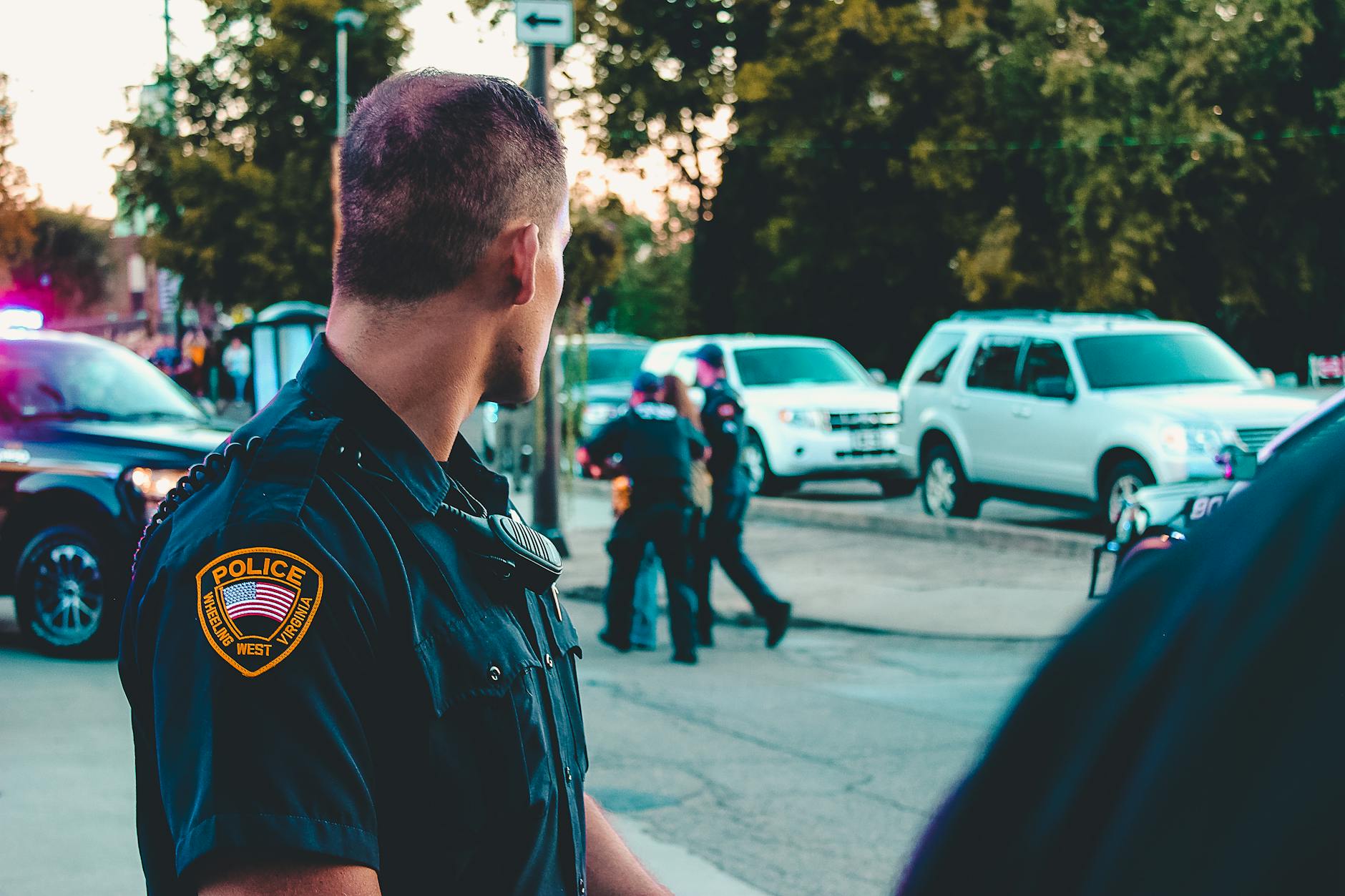
That is what our stance has been all along, until we went out to breakfast this past weekend and the police department was herding a group along the main boulevard we take to our restaurant. They appeared to be the characters you don’t want to run into in a dark alley at night—or daytime, for that matter. For Christ’s sake, were they planning to put roots down behind our neighborhood. We have a wall around the place, but salespeople always jump in and try to knock on doors. We have security but are not the type that can handle these characters. Every winter, we have a homeless troupe that typically arrives and camps near a river, but they are the same people every year, and they are like the snowbirds who flow in and out of the area from the north. These new homeless characters were of a family we never experienced before. 

And that is what is scaring so many in America. The police found a suitable place for the troupe to travel on to, and there were no more sights of them after that initial spotting. But that is different for many in the country. These homeless populations inundate their communities, and it is an issue they have never before had to face. What if they are following suit? How many more will come? What problems will they bring with them? Will the property values deflate wherever they plant a stake? Jesus, are they diseased? 

California has spent billions of dollars trying to fix its homeless problem and has failed to find a solution. The issue is greater there now than ever. Affordable housing remains unobtainable to those needing it. California is asking people to build tiny homes in their backyards, garages, wherever there is space, and make them available to house people. The problem is, if folks don’t want them in their alleys, will they want them in their garages?

Locally in Phoenix, Arizona. My husband hired an unhoused person years ago and knew she was, although she had not disclosed so on her introduction form. He worked with her schedule to make sure she kept her employment, and within six months, she was able to get a studio apartment, moving from her car. She then told him. He said he knew all along, and that is why he had worked so hard to keep her going, and she turned out to be one of the best employees. Such an example may not be the case with every person, but it is an example of how we can attribute ourselves to improving the situation one person at a time.

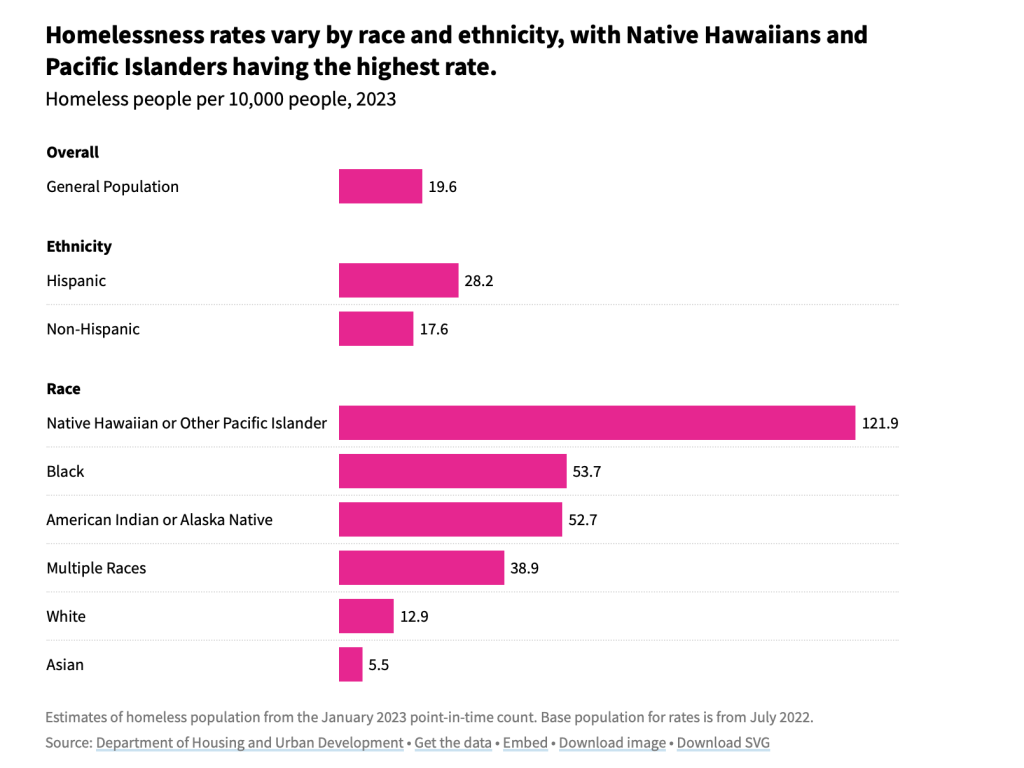
While feeling uneasy about sudden changes in your community is natural, it’s important to remember that homelessness is not a choice for many people. They often face a variety of challenges, including mental health issues, substance abuse, lack of affordable housing, and unemployment, which can contribute to their situation.

As for the broader issue of homelessness, it’s clear that a comprehensive and compassionate approach is needed to address the root causes and provide effective solutions. This approach may include increasing access to affordable housing, expanding mental health and addiction services, and providing job training and employment opportunities for homeless individuals.

The Supreme Court now has the issue, and the Lord only knows what they will come up with. But no doubt Texas will pass a law ordering the execution of all homeless people after 30 days of being homeless.