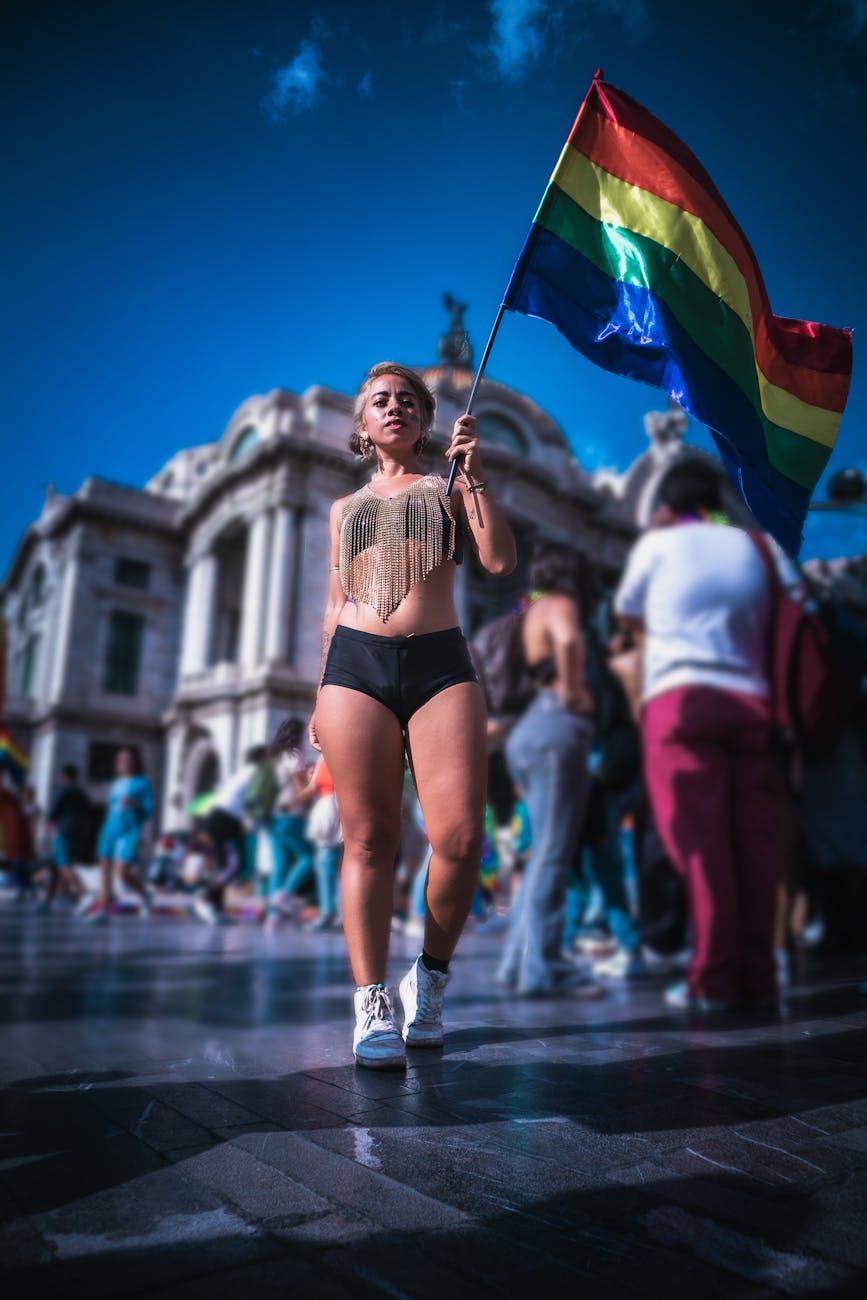
Bennie: The Heart and Soul of the Melon Group | LGBTQI+ Community Support

The Melon Group was a crowd of friends that began in a small community as a support group. The members had found themselves there as a collective of the LGBTQI+ Community. They ranged from 18 to 80+ and had watched people come and go. Sadly, the group was gathering after attending the funeral of the Melon Group founder, Bennie. He had been the one back in 1981 who had posted an ad in the local paper inviting all the rainbow family members to join him for snacks and treats in the local park. It was a risky move in those days, but Bennie was like that; he took chances. Chances like that gave life to many of the hidden townspeople, who did not have anyone to turn to.

There was Joanne, a closeted lesbian, until 1984 when the help of Bennie’s meetings in the park gave her the courage to confront her family. Thanks to Bennie, Jill, her partner, met her at the park. Jon and Mike, a gay middle-aged couple, found support with the group after relocating to the community for their jobs. Then there were Jett and Freida, who were transgender. They found love from the group when their families had disowned them.

Others, too many to mention, had been through the Melon Group over the years. As they sat in a local coffee shop and began to recall the years that had passed, memories flooded back of those who had once been part of their vibrant community but were no longer there.

Paul, an older gentleman among the first members, always had a warm smile and a knack for baking the best cookies. He had passed away a few years ago, but his recipes lived on in the group, a sweet reminder of his presence. Maria, a young transgender woman, had found solace in the group after escaping an abusive household. She eventually moved to a big city to chase her dreams of becoming an artist, but her sporadic visits and heartfelt messages kept her close to everyone’s hearts.

Bennie, though, was the heart and soul of the Melon Group. His courage and vision created a safe space where none had existed. His laughter was infectious, and his wisdom, always shared with a twinkle in his eye, guided many through their darkest days. Bennie had a way of making everyone feel seen, heard, and loved. He remembered every birthday, celebrated every milestone, and comforted every sorrow. His passing left a void that felt impossible to fill.

The Melon Group wasn’t just a support group but a lifeline. In those early days, gathering in the park was an act of defiance, a statement of existence in a world that often refused to acknowledge them. Over time, the group became a second family. They celebrated, grieved, and, most importantly, stood by each other through thick and thin.
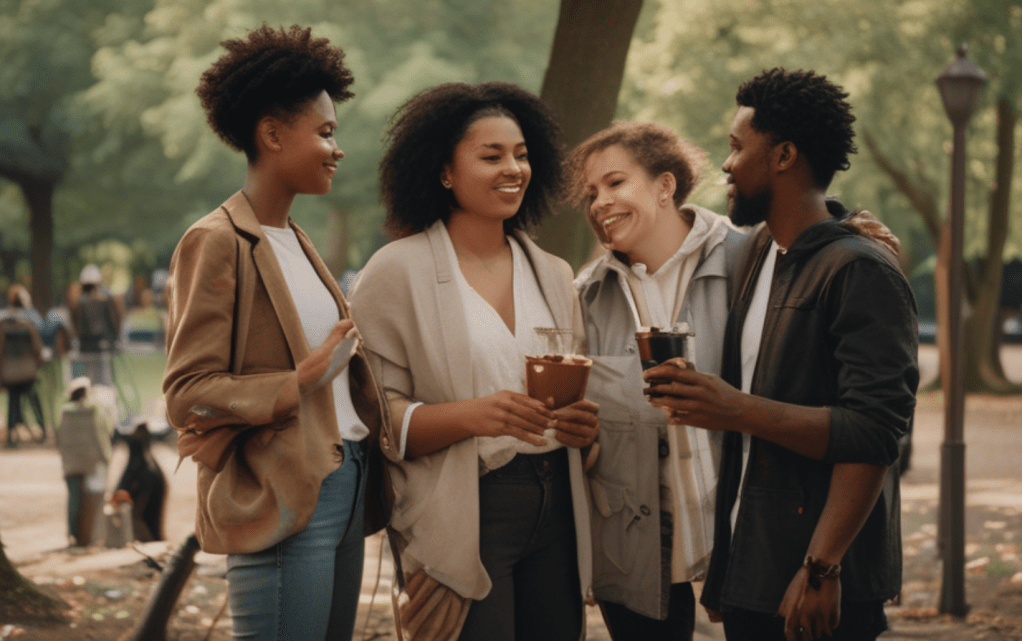
Samantha, a bisexual woman who had joined in the late ’90s, recalled how Bennie had helped her through her messy divorce and subsequent custody battle. “Bennie always knew what to say,” she said, her voice thick with emotion. “He had this way of making you feel like everything was going to be okay, even when it felt like the world was falling apart.”

Jacob, who recently came out as non-binary, shared how Bennie had encouraged them to embrace their true selves. “Bennie saw me,” Jacob said. He saw the real me even before I did. He gave me the strength to be honest with myself and the world.”

The Melon Group had seen countless faces over the years: people who found a place to belong, who found love and acceptance, who found the courage to be themselves. Bennie’s legacy lived on in each of them, in the connections they made, and in the lives they touched.

As they sat in that coffee shop, sharing stories and laughter through their tears, they knew Bennie’s spirit was with them. They vowed to continue his work, keep the Melon Group alive and thriving, and be the beacon of hope and love that Bennie had always been.

The Melon Group had weathered many storms but stood firm, a testament to the power of community, love, and the enduring impact of one man’s dream. Bennie may be gone, but his light shone brightly in the hearts of all who had known him, and in the Melon Group, that light would never fade.

History of Gay Pride Parades: From Struggle to Celebration

The story of Gay Pride Parades, also known as LGBTQ+ Pride Parades, begins with a backdrop of systemic discrimination, social stigma, and legal challenges faced by LGBTQ+ individuals. The need for such parades emerged from the historical struggle for recognition, rights, and acceptance. Here’s a concise history of how they became necessary:

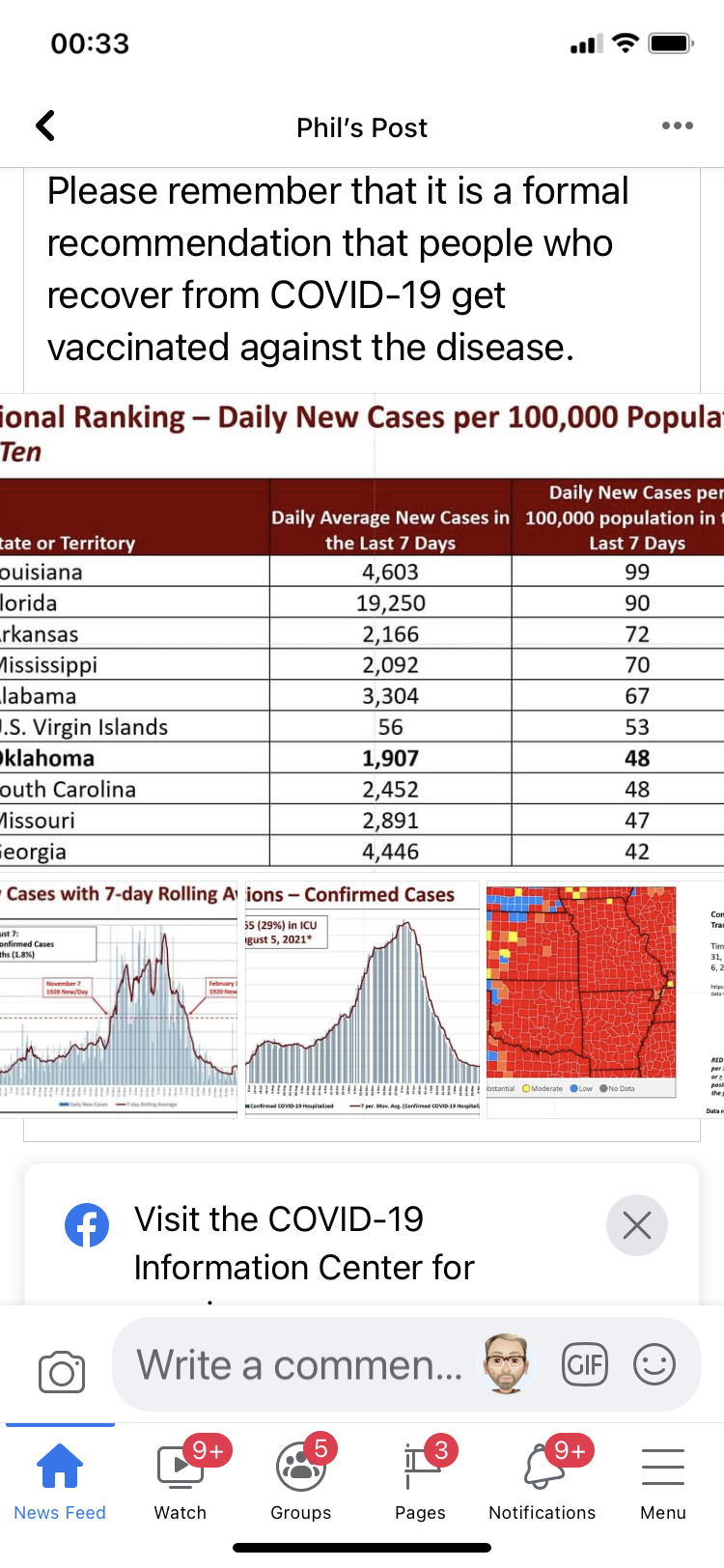
Screenshot

In the early 20th century, LGBTQ+ individuals faced severe discrimination and persecution. Homosexuality was criminalized in many parts of the world, and those who identified as LGBTQ+ were often subject to arrest, harassment, and violence. This era was marked by widespread societal stigma, leading many to conceal their identities.

The mid-20th century saw the rise of the homophile movement, with groups like the Mattachine Society and the Daughters of Bilitis advocating for the rights of gay and lesbian individuals. These organizations aimed to improve the public perception of LGBTQ+ people and sought to decriminalize homosexuality. Their efforts laid the groundwork for more visible activism.

The catalyst for the Gay Pride Parades was the Stonewall Uprising in June 1969. The Stonewall Inn, a gay bar in New York City’s Greenwich Village, was a frequent target of police raids. On June 28, 1969, a raid sparked spontaneous and violent demonstrations by the LGBTQ+ community, which lasted several days. The Stonewall Uprising marked a turning point, as it galvanized the LGBTQ+ community and led to the formation of activist organizations like the Gay Liberation Front (GLF) and the Gay Activists Alliance (GAA).

To commemorate the one-year anniversary of the Stonewall Uprising, activists organized the first Christopher Street Liberation Day March on June 28, 1970. This event is widely recognized as the first Gay Pride Parade. It took place in New York City and was followed by similar marches in Los Angeles, Chicago, and San Francisco. The purpose of these marches was to promote LGBTQ+ visibility, celebrate their identity, and demand equal rights.

Throughout the 1970s and 1980s, Pride Parades grew in size and spread to other cities around the world. They became annual events, serving as a platform for activism, community building, and celebration. The AIDS crisis in the 1980s further intensified the need for solidarity and visibility, as LGBTQ+ communities faced immense loss and stigma.

Today, Pride Parades are held in cities worldwide and have evolved into large-scale celebrations that include parades, festivals, concerts, and educational events. They serve multiple purposes: celebrating LGBTQ+ identity and culture, advocating for legal and social equality, and remembering the struggles and achievements of the LGBTQ+ movement.

Despite significant progress, LGBTQ+ individuals still face challenges and discrimination in many parts of the world. Pride Parades remain necessary to combat homophobia, transphobia, and other forms of discrimination. They continue to provide a space for the community to express pride in their identity and to demand full equality and acceptance.

The necessity of Gay Pride Parades stems from a history of marginalization and the ongoing fight for rights and recognition. What began as a reaction to oppression and violence has transformed into a global movement that celebrates diversity, promotes inclusivity, and strives for equality.

Cowgirls Mae and Rosie: A Love Story Spanning Time and Place

In the late 1890s, the vast expanse of the American West stretched endlessly, a sea of golden plains and towering mountains. Two cowgirls named Mae and Rosie, not just friends but soulmates, called home in a remote corner of this wild land. Mae, with her fiery red hair and fierce spirit, and Rosie, with her raven-black braids and gentle demeanor, were an inseparable pair, bound by a love that defied the conventions of their time. In a world where their love was deemed unconventional, they found solace and strength in each other.

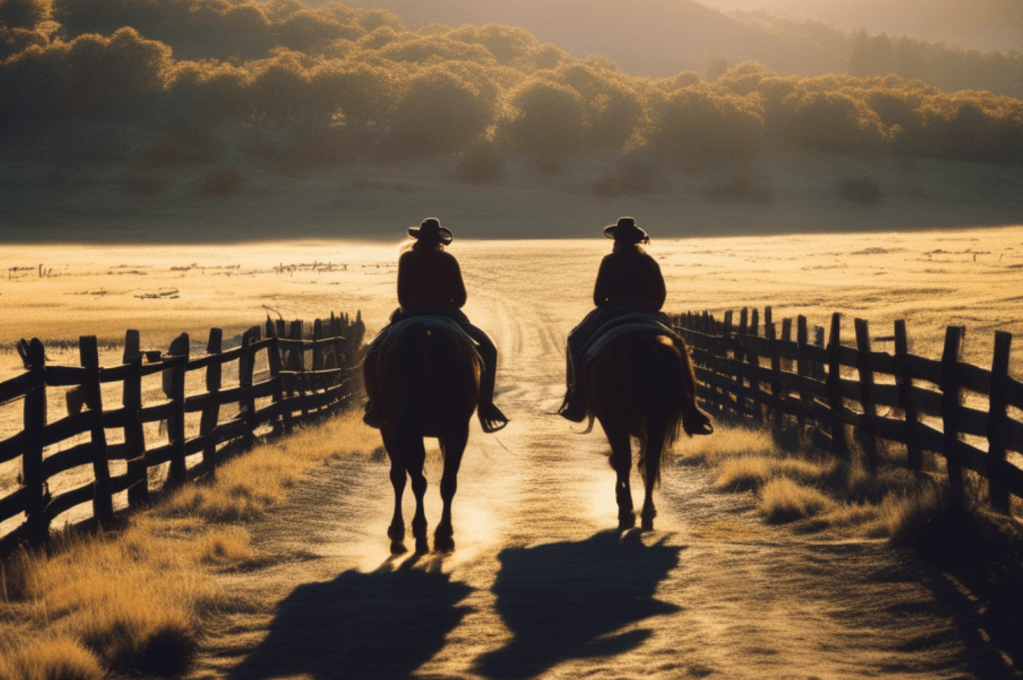
One crisp autumn morning, they saddled their horses and rode out, the sun casting long shadows across the rolling hills. Their journey led them to an old wooden fence gate, weathered by years of harsh winds and blazing sun. They spurred their horses forward with a shared glance and a mischievous smile, pushing the gate open and galloping through.

As they rode, the familiar landscape began to change. The dirt road beneath their horses’ hooves transformed into smooth pavement. The rolling hills flattened, and in the distance, a faint hum grew louder, evolving into the roar of engines. The world around them seemed to blur and shift, the sky darkening and then brightening again until suddenly, they found themselves on the edge of a bustling highway. In the face of this bewildering transformation, Mae and Rosie’s courage and resilience shone through, inspiring all who witnessed their journey.

The year was no longer 1898 but 1972. Mae and Rosie reined in their horses, staring in awe at the sight before them. Towering skyscrapers pierced the sky, cars zipped by at dizzying speeds, and people hurried along sidewalks, oblivious to the two cowgirls who had just crossed time itself.

Confusion and excitement swirled within them. They rode cautiously along the highway, their horses nervously stepping onto the strange new surface. They marveled at the colorful billboards advertising things they’d never seen before and the neon lights that promised adventure. It was a journey that was not just physical but emotional, as they navigated the unfamiliar terrain of a world that was changing at a rapid pace.

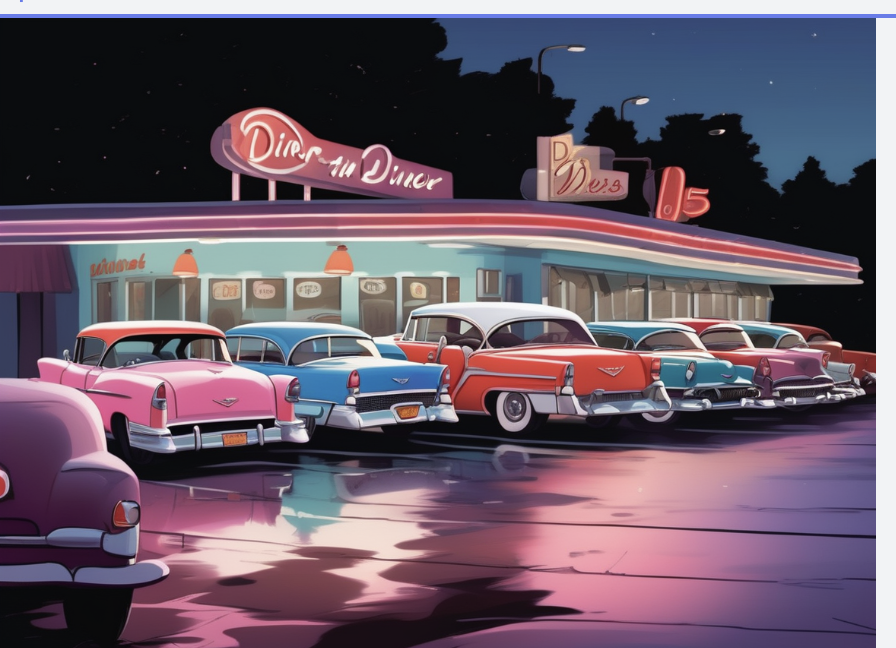
As they entered the city, the clamor of modern life enveloped them. Mae’s eyes sparkled with curiosity while Rosie gazed wonderfully at the people dressed in fashions so alien to their own. They stopped outside a diner, its large windows showcasing a scene of laughter and warmth. The sign above the door read “Betty’s Diner.”


Mae and Rosie dismounted, tethering their horses nearby. They walked into the diner, the door jingling as they stepped inside. Heads turned, and the chatter ceased momentarily as the patrons saw the two cowgirls, their clothes and demeanor a stark contrast to the modern setting. Some stared in curiosity, others in judgment, but a few smiled warmly, recognizing the courage it took for them to be there.

Betty, the diner’s owner, approached them with a friendly smile. “Welcome, ladies! What brings you to these parts?” she asked, her eyes twinkling with curiosity.
Mae and Rosie exchanged a glance, unsure of how to explain their journey. “We’re just passing through,” Mae said, her voice steady.

Betty nodded, sensing there was more to their story. She led them to a booth and handed them menus. As they sat, they began to notice the small but significant changes around them—the music playing from a jukebox, the variety of food on the menu, the freedom in the air. Mae and Rosie exchanged a glance, their eyes filled with wonder and a hint of apprehension, as they realized they were witnessing a world that was vastly different from the one they had left behind.

Over the next few days, Mae and Rosie explored the city, learning about the incredible advancements and the cultural shifts that had occurred in the seventy-four years they had seemingly leaped over. They discovered a vibrant community of people who defied conventions and lived openly and proudly like them. They learned about the women’s suffrage movement, the civil rights movement of 1964, and the sexual revolution, all of which had reshaped the society they now found themselves in.


One evening, they attended a gathering at a local community center. It was a celebration of love and identity, filled with people from all walks of life. Mae and Rosie felt a deep connection to the stories they heard, the struggles and triumphs resonating with their own experiences.

As they danced under the disco ball, surrounded by newfound friends, they were overwhelmed with a sense of joy and liberation. They realized that they had found a place where their love was not only accepted but celebrated. With all its noise and chaos, the city had given them a glimpse of a future they had never imagined, a future filled with hope and optimism for societal change.

Mae and Rosie decided to stay, embracing the new world with open hearts. They found work, made friends, and built a life together. Their love story began in the wild, untamed West and flourished in the bustling, vibrant city of the 1970s. It was a decision that was not without its challenges, but they were willing to face them for the chance to live and love freely in a world that was slowly but surely becoming more accepting.


Years later, as they sat together on a bench overlooking the skyline, they often spoke of that old wooden fence gate and the magical journey it had taken them on. The city had become their home, where they could live and love freely, forever grateful for the lucky ride that had led them to this extraordinary new chapter in their lives. They reminisced about the changes they had witnessed, the challenges they had overcome, and the love that had remained constant throughout it all.

“A Second Chance: How a Scruffy Terrier Saved a Man From Despair”

Born in a county of less than 12,000 people in the southwest part of the state, Jason grew up in the shadow of his grandfather’s church. Papa Preacher, as he was known, was a fire and brimstone verse-thrower who would have been at home in the 1870s. He led the county revivals in a Save Your Soul from Satan telethon of services every Spring and Fall. Everyone showed up, or people’s names were trashed in the community. 

Jason had heard since the time he could walk how homosexuals would be sent straight to the pits of Hell, with the gnashing of teeth, torture the likes never seen, and burning forever more. From birth, he was scared to believe everything his grandfather said was true.

When Jason began to get older and experienced puberty, his reactions to life differed from those of other teenage boys. His attraction to girls was nonexistent. He had no desire to look at a girl in a way that would be sexual. He had many girls who were friends, but he never wanted to date one or have any relationship other than friendship with any of them. However, when it came to his male friends and older classmates, that was a different story—one he didn’t understand. Jason had never known a person who was gay. He had never been around any books, magazines, or pamphlets that contained gay content. Nor had Jason watched any movies concerning gays. The only thing he knew about gays or the LGBTQI+ Community was that they slept with the same sex and were going to Hell forever! 

Now, he was having intense feelings for other young men, and it was showing. In gym class, he began showing up late or not going at all to avoid going to the locker room. He got roughed up when showering once when he got an erection, and he didn’t mean to. He thought it was difficult enough just trying to hide his excitement walking through the hallways between classes. At least he could use his school books to cover up any problems that could arise. 

What Jason couldn’t cover up was the summer vacation when a foreign exchange student from Germany was staying with a local family, and he was discovered by the local police necking and nearly nude while parked in Jason’s four-wheel drive. They were both in college and of legal age to make their own decisions, but the local police ensured Jason’s grandfather heard about it. The officer then went to the local coffee shop and told the local crowd about it, and soon, the whole town was talking. The foreign exchange student didn’t understand what the big deal was after all, to him, it was well-accepted where he came from, and this upset was so uncalled for. But for Jason, it was the end of his life as he knew it. And, he began to shut down. He was withdrawing and ending communications with everyone. He holed up at home for weeks, sleeping nearly all the time. Then, he began staying awake for days at a time. Finally, he had established a plan to say goodbye. 

Jason sat in his dimly lit living room, the world’s weight pressing down on him. The gun in his hand felt heavy, not just physically but emotionally. His eyes, red from hours of crying, stared at the floor. The only sound was the steady ticking of the old grandfather clock in the corner, a reminder of the seconds slipping away.

He had tried an hour earlier. As he pulled the trigger, his body betrayed him, flinching just enough to send the bullet harmlessly through the open window. He had cursed himself for his cowardice, not knowing that his hesitation had saved a life outside. In the quiet street beyond, a small dog had narrowly missed getting hit, the sound of the shot startling it but not injuring it.

Now, Jason sat there, lost in his thoughts. He had tried to change, to conform to the expectations of his family, church, and society. But he couldn’t change who he was. The rejection, the whispers, the outright hostility—they had all taken their toll. He felt alone, unloved, and hopeless.

Unbeknownst to Jason, the small dog he had unknowingly spared was wandering through the neighborhood. The dog, a scruffy terrier mix with a keen sense of empathy, was drawn to the house. Jason left the door slightly ajar, leaving it open in desperation and distraction. The dog slipped inside, its little paws padding softly on the wooden floor.

Jason didn’t notice the dog at first. He, too, was wrapped up in his sorrow, the cold metal of the gun pressed against his temple. It wasn’t until he felt a soft nudge against his leg that he looked down. Sitting in front of him was the scruffy terrier, its eyes wide and filled with a kind of unconditional love that Jason had never experienced before.

The dog wagged its tail, its eyes never leaving Jason’s. It was as if the dog understood his pain and wanted to offer comfort. Jason lowered the gun, his hand trembling. He reached out hesitantly, and the dog nuzzled his hand, licking his fingers gently.

Tears welled up in Jason’s eyes. He hadn’t felt such warmth in so long. The dog climbed into his lap, curling up as if it was fate to find him in his darkest moment. Jason hugged the dog tightly, sobbing into its fur. The presence of the small, warm creature gave him a glimmer of hope, a reason to hold on.

Hours went by as Jason sat there with the dog in his arms. The sun began to rise, casting a gentle glow through the windows. The new day felt like a second chance, a new beginning. He didn’t know what the future held, but he knew he couldn’t give up.

The dog had saved him in more ways than one. It had given him a reason to keep going, a reminder that love and hope could come from the most unexpected places. Jason decided to name the dog Chance for the second chance it had given him. They would face whatever came next, knowing they had each other together.

In the following days, Jason began to reach out for help, reconnecting with supportive friends and finding solace in a community that accepted him for who he was. And through it all, Chance was by his side, a loyal companion who had come into his life when he needed it most. The love and companionship of his furry friend reminded him daily that he was worthy of love and happiness, just as he was.

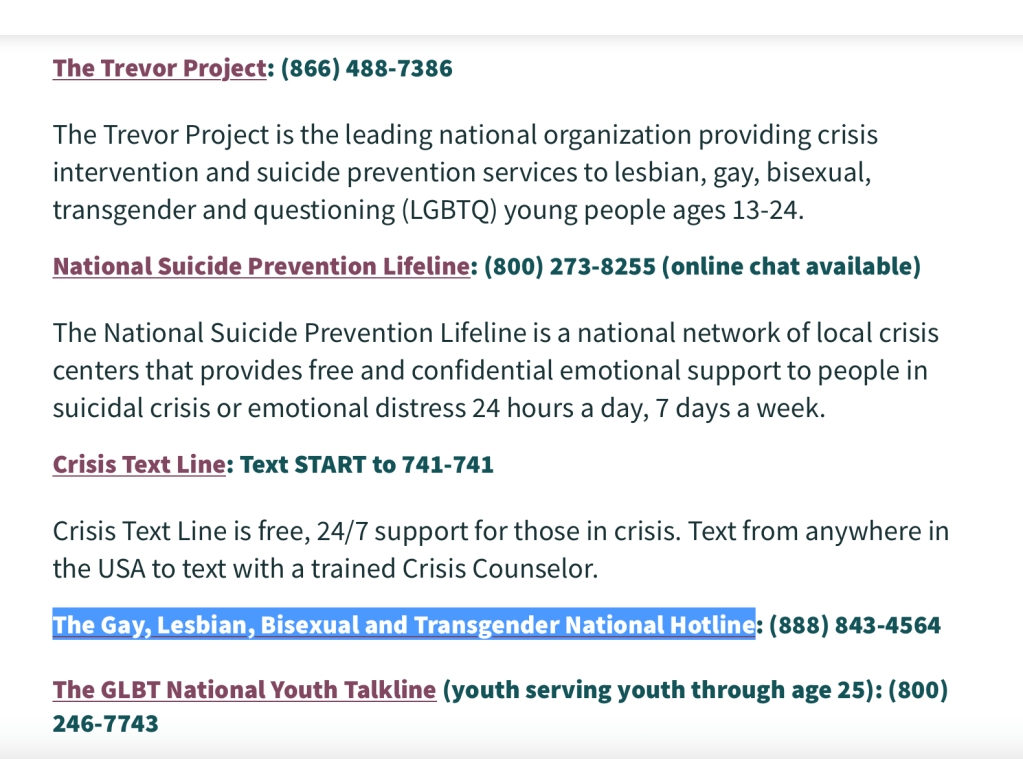
That evening, Jason turned his television off, the only channel he had been told he could watch and remain a good Christian and child of God. While flipping to another TV station, he came across a public service announcement about PFLAG and went to their website out of curiosity to learn more. It was there that Jason heard about the Trevor Project and The Gay, Lesbian, Bisexual, and Transgender National Hotline. He reached out for direction and soon became part of the most prominent family he knew. And he grew to be the happiest he ever had in life. Today – Jason isn’t going through Hell on Earth trying to stay out of a place many people question. And he wakes up with a rainbow in his life every day!

A Journey Home For One Last GoodBye

Ethan Ryder Is Set Free From A Lifetime Of Pain And Rensentments…

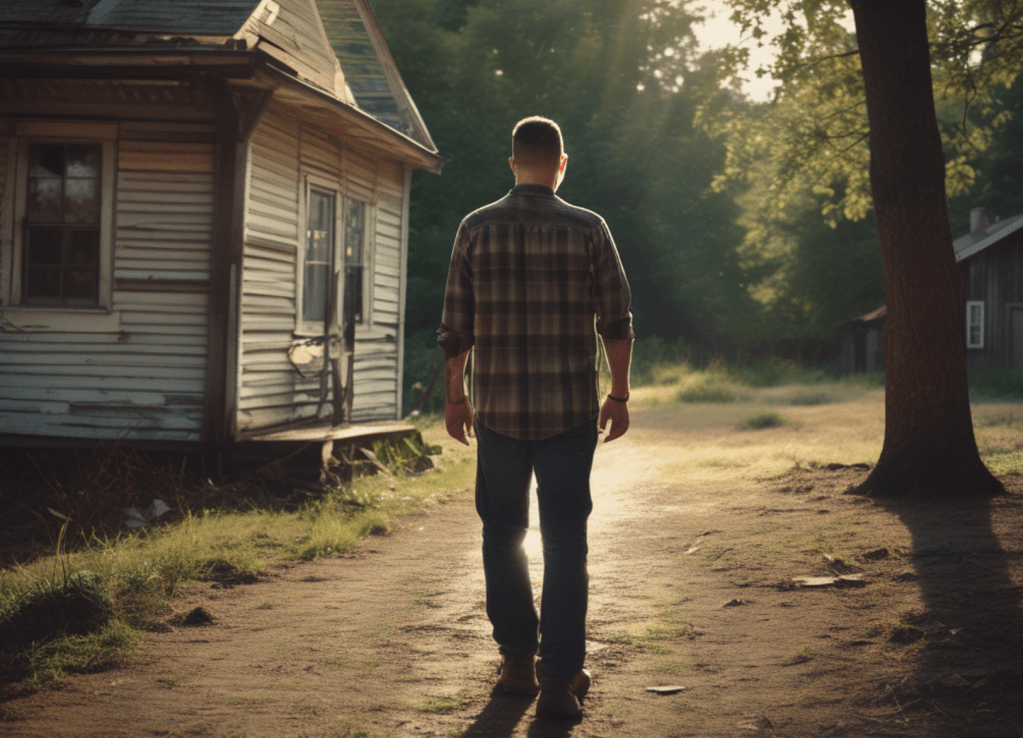
Ethan Ryder had not set foot in Blare, Arkansas, for nearly twenty years. The dusty roads, the sunbaked fields, and the distant hum of cicadas were all etched into his memory, though the town held little warmth for him. The old farm, once a place of life and growth, now symbolized the past he was finally ready to confront. His parents had passed, leaving the property to him, and with a heavy heart, he decided it was time to sell and settle the lingering ghosts of his youth

.
The farmhouse loomed at the end of the dirt road, its paint peeling and windows cloudy with neglect. Ethan took a deep breath, the scent of earth and decay mingling. Memories flooded back—memories of long, lonely days working the fields, of whispered slurs and judgmental glances from the townsfolk, and of the dark, sleepless nights filled with fear and self-loathing.


Ethan’s childhood had been a series of silent battles, trying to reconcile who he was with who the town expected him to be. As a teenager, he had realized he was gay, a revelation that brought a storm of confusion and dread. Blare was not the type of place where locals embraced this kind of difference. The town was small, its people set in their ways, and the intolerance he faced left deep scars.


He walked through the creaking door, the house’s interior almost unchanged. Dusty furniture stood as it had been for decades, and the old family photographs still lined the walls. Ethan ran a finger along the mantle, picking up a thick layer of dust. The house felt like a time capsule, a reminder of a life he had fought hard to leave behind.
It was in the kitchen that Ethan found a tangible connection to his past: an old, weathered cookbook that had belonged to his mother. She was the one person who had always accepted him, even if she didn’t fully understand. Ethan could still hear her soft, comforting voice as she tried to console him during his darkest moments, a voice that brought him solace even in her absence.
Ethan’s father, on the other hand, was a stern man bound by the town’s rigid expectations. When Ethan came out to him, the silence was more painful than any words could have been. The distance between them had grown insurmountable, and this rift had driven Ethan to leave Blare as soon as he could.


As he explored the farm, Ethan’s steps led him to the barn. This old structure, once his sanctuary, was where he could escape the harsh realities of Blare and dream of a life where he could be himself. Pushing open the heavy doors, he was greeted by the familiar scents of hay and leather, triggering a flood of memories. In this very barn, he had shared his first kiss with another boy, a moment that had both terrified and exhilarated him, marking the beginning of his journey toward self-acceptance.


Standing in the barn, Ethan felt a profound sense of closure. The fear and pain of his youth no longer held him captive. He had built a life far from Blare, surrounded by people who loved and accepted him for who he was. He had found happiness, a concept he had once deemed unattainable, and it was a feeling that washed over him, bringing a sense of peace and relief.
With renewed determination, Ethan began sorting through his parents’ belongings, deciding what to keep and let go. Among the keepsakes was a small wooden box he had never seen before. Inside, Ethan found dozens of letters, all addressed to him. They were from his mother and written after he left. In them, she spoke of her regret for not being able to protect him better, her pride in his courage, and her unwavering love.


As Ethan read his mother’s letters, tears welled up in his eyes. Her words were a soothing balm to his wounded soul, healing the scars of a painful past. Even in her absence, he felt a deep connection to her, a connection that brought him peace and a renewed sense of self. Her letters were not just words on a page, but a testament to her love and understanding, a final gift of closure and acceptance.


By the time Ethan was ready to leave, the farmhouse felt less like a place of pain and more like a chapter that had finally ended. He had faced his past, laid his ghosts to rest, and was ready to move forward. As Ethan drove away from Blare for the last time, the sun setting behind him, Ethan felt a lightness in his heart. He was free.

Photo by Mariah N on Pexels.com

Family Love and Understanding: A Parenting Journey Unveiled

Photo by Anastasia Shuraeva on Pexels.com

Eric’s and Marie’s parents, Donald and Jasmine, married for thirteen years. They were a biracial couple and parents, of Eric and Marie, a set of twins about to turn twelve years old. At the end of the school year, Donald and Jasmine sat down with Eric and Marie and said they needed to talk to them.

As the end of the school year approached, the twins, Eric and Marie, found themselves in a state of anticipation. They hadn’t broken any rules or caused any major disturbances at home, so what could this conversation be about? Their minds raced with possibilities: Could one of their parents be seriously ill? Or perhaps a financial crisis had struck, forcing them to downsize their home?

It didn’t take long for Donald and Jasmine to clear the air. Donald began ––

“For years we knew we would one day have to talk to you about this and we always promised we would tell you when you are 12 years old. We’ve been preparing for this conversation, considering your maturity and understanding, and we believe now is the right time.”

Jasmine joined in ––

“That’s right, we feel you are at the age that you will understand what we are about to tell you and why we want to tell you this. It is important for you to know that we love you very much, and you both are the reason we did this. Our love for you is the foundation of this decision, and we hope you understand that.”

Eric and Marie, in their twin fashion, said in unison ––

“So what did you guys do, rob a bank and run from the law?”

Donald firmly replied ––

“No! What we have to say is more important than that, and this is about something that would have been much more severe if it didn’t work initially!”

The twins were shocked. What could be more severe than being on the run from the law?

Jasmine, wanting to direct the topic back to its intended purpose, suggested everyone take a deep breath. Saying ––

“What we are talking about isn’t Spy Stuff.”

Donald replied ––

It almost was!

Jasmine, tired of the kids and Donald’s propensity for dragging out any conversation to make it a lecture, much as he would a class of his at the University, took control of the room ––

“Look, we have to say what we are here to talk about. It isn’t up for guessing or beating around the bush. The kids are supposed to know now. Kids, your mother and father are gay! We have been since the day you were born. Since we both were born. I gave birth to you; your father is your real daddy. But we have never had sex. I became pregnant through in vitro fertilization. Do you know what that is?”

The twins both nodded their heads, again answering together,

“Yes, we learned about this year at school.”

Then Eric replied ––

I always knew Pop was gay, but I never thought it of you, Mom.

Marie sputtered out ––

Well, I always thought Mom was, but I would have never guessed it of Pops!

Donald and Jasmine just stood there, looking at each other, somewhat dumbfounded. Each wondered what they could have done to cause their children to make such conclusions. But that wasn’t as important as helping them accept the news they had heard.

Donald said to both children ––

“Kids, we want to ensure you know you can talk to us about this and are okay with asking questions.”

Eric and Marie sat silently for a moment, processing this significant revelation. Then, Marie broke the silence.––

“Are you both happy?”

She asked softly, looking between her parents.

Donald and Jasmine exchanged glances before Jasmine replied ––

“Yes, sweetheart. We are delighted. Our relationship works because we love and support each other. We decided to raise you as a family to provide you with a loving home. And we do love each other, just not in the way you might think of traditional marriages.”

Still absorbing everything, Eric asked ––

“So, does this mean you have other partners or are you just… like roommates?”

Donald took a deep breath and said ––

“We do have partners. We’ve kept this part of our lives private because we wanted to wait until you were old enough to understand. We both have partners who mean a lot to us, and they support and love you, too.”

Jasmine added ––

“We wanted to ensure you both felt safe and secure in our family before introducing you to anything confusing. Now that you’re older, you can understand and handle this better.”

Eric and Marie exchanged a glance. Marie asked ––

“So, when do we get to meet them?”

Jasmine smiled warmly ––

“We’ll introduce you to them when you’re ready. We want to make sure you get enough at a time. It’s important that you feel comfortable and smooth with this transition.”

Eric nodded thoughtfully ––

“It’s a lot to take in, but we get it. We want you both to be happy.”

Marie chimed in ––

“Yeah, we love you both, no matter what. It’s different, but it doesn’t change anything for us.”

Donald and Jasmine both felt a wave of relief. They knew there would be more questions and possibly some challenging moments ahead, but they had taken the first step. The important thing was that they had started this journey with honesty and love.

Jasmine said ––


“Thank you for being so understanding. We know it’s a lot, but we are here to support each other. Always.”

Eric and Marie smiled. Marie reached out and hugged her parents, with Eric joining in. They sat together, holding onto each other, feeling the strength of their family’s bond. In that moment, they knew that whatever challenges came their way, they would face them together, with love and understanding guiding them through.

As the twins headed to their private bedrooms, Eric said to Marie ––

“I told you Pop’s wasn’t sleeping in a separate bedroom because of his snoring!”

Marie replied ––

“And I told you it wasn’t because of Mom’s cold feet!”

Resilience and Triumph: A Transgender Officer’s Inspiring Journey at Dalfton PD

Sergeant Bill Johnson, 45, served in the patrol division of the Dalfton Police Department and held the position of Range Master at the department’s shooting range for the last twenty years. Dalfton was a small Oklahoma City metro area department, and the officers often assisted other departments.

Officer Johnson was single and also secretly transgender; that is, he is living his birth sexuality but slowly dying to live his real identity. The trouble being in his life, Johnson can’t bring himself to do so until his parents die. When he turned 46, his father and mother both passed away of old age within days of one another. Following their funerals and while on bereavement leave, Johnson takes an extended leave for more than one year. During that time, Bill went to another state and underwent the necessary procedures to become the person he always felt his body called him to be.

Her return to duty after turning 48 as Billie Johnson surprised many, especially because she was female. However, her colleagues had a mixed acceptance. Officers she had worked with for over twenty years, backed up in the most dangerous situations, gave her a cold shoulder. She had explained to her Chief of Police that she wouldn’t be alive another year if this didn’t happen. She had barely managed to live the life she had, saying each day it was torture to exist in a man’s body. But, to have tried to change while her parents were alive would have killed them because of their strict religious views, so she lived a tortured life until they died only for them. Now, thanks to their passing, she is freed from their prison; love has set her free.

Sargent Billie Johnson returned to duty with a mixture of anticipation and trepidation. As the Range Master, she had built a reputation for her expertise and dedication, but now she faced a different challenge. The Dalfton Police Department, though small, was a tight-knit community, and Billie knew that acceptance would vary widely among her colleagues.

On her first day back, Billie entered the station, her heart pounding. Chief Parker was first to greet her. He had always been a staunch supporter of her.

“Welcome back, Billie,”

He said warmly, shaking her hand firmly.

It’s good to have you here.”

Billie smiled, appreciating the genuine welcome. She took a deep breath and made her way to her office, passing by officers who gave her nods, smiles, and the occasional curious glance. She noticed some of her colleagues whispering among themselves, but she chose to focus on the supportive faces around her.

Photo by Gotta Be Worth It on Pexels.com

Her first real test came during her first day at the shooting range. She gathered the officers for a mandatory training session, a duty she had performed countless times before. This time, however, she could feel the tension in the air. Some officers were visibly uncomfortable, while others were neutral or encouraging.

Billie addressed the group with confidence.

“I know this is a change for all of us,” she began. “But my commitment to this department and to each of you has not changed. Let’s focus on what we do best—keeping our skills sharp and supporting each other.”

Throughout the session, Billie demonstrated her usual precision and expertise. Gradually, she noticed that the focus shifted from her identity to the training itself. Officer Morales, one of her long-time colleagues, approached her after the session.

“Hey, Billie,”

Morales said, his tone friendly.

“I just wanted to say that it’s good to have you back. You’ve always been a great Range Master, and that hasn’t changed.”

Billie felt a wave of relief.

“Thanks, Morales. That means a lot.”

Over the next few months, Billie worked tirelessly to prove herself as the skilled officer she had always been and as a supportive and reliable colleague. Slowly but surely, the initial tension began to fade. Some officers, Like Morales, were quick to accept her, while others took more time. A few remained distant, but Billie focused on building bridges where she could.


The turning point came during a high-stakes operation in collaboration with neighboring departments. Billie played a crucial role in planning and executing the operation, showcasing her leadership and tactical skills. The operation was a success, and her colleagues began to see her as Billie Johnson and as the capable and dedicated officer she had always been.
In the aftermath, Officer Simmons, one of the more skeptical officers, approached Billie.

“I have to admit, I had my doubts,”

Simmons said candidly.

“But you’ve proved you’re the same person—if not more vital. I respect that.”

Billie nodded, feeling a sense of accomplishment.

“Thanks, Simmons. We’re all in this together.”

As the months turned into years, Billie became a symbol of resilience and strength within the department. She continued to shine in her assignment, earning respect and admiration from those around her. While there were always challenges, Billie faced them head-on, knowing that living her truth had strengthened her.

Her journey inspired others in the department and the wider community. Billie began to advocate for greater awareness and support for transgender individuals within law enforcement and beyond. Her story became one of courage, acceptance, and the power of living authentically.

Photo by Anete Lusina on Pexels.com

Sargent Billie Johnson, now 50, stood tall, proud of her journey and the person she had become. She knew that while the road had been difficult, it was worth every step. She had found her true self and, in doing so, had made a lasting impact on those around her.

If your child just told you they are Transgender, what should you do? Maybe this site will help you…click here!

Riverton Police: A Night in the Life of Detectives Jake and Sam

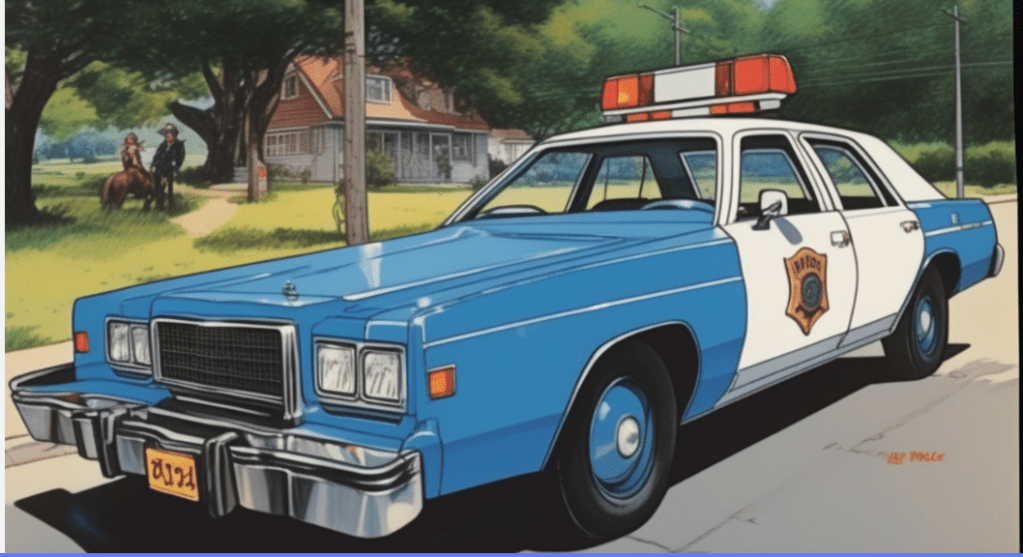
The city of Riverton never slept, nor did Detectives Jake Harris and Sam O’Reilly. Partners for over a decade roamed the nocturnal streets with the kind of synergy only best friends could muster. Their squad car, an unremarkable blue-and-white cruiser, was a beacon of hope for some and a symbol of fear for others.

Jake, with his gruff exterior and piercing blue eyes, was the kind of cop who could read a crime scene like a book. Sam, a lean figure with a quick wit and a knack for defusing tense situations, complemented Jake perfectly. Together, they led the department in felony arrests, arriving at calls faster than anyone else and building relationships with the community that others could only dream of.

One brisk autumn night, their radio crackled to life with a call that made their hearts race: an armed robbery in progress at the 24-hour diner on 5th and Maple. Without a word, Jake hit the lights and sirens, and they sped through the dimly lit streets. They arrived in just under three minutes, a record even for them.

The diner was eerily quiet as they approached, save for the distant hum of neon lights. Inside, a masked man brandished a gun, demanding cash from the terrified cashier. Jake motioned for Sam to flank the back entrance while he took the front.

Jake entered slowly, his voice calm but authoritative. ––––

“Riverton PD, drop the weapon and come out with your hands up.”

The gunman whipped around, eyes wide with panic.

From the rear, Sam’s voice cut through the tension.

“No, you won’t. You don’t want to hurt anyone. Put the gun down, and we can talk.”

The gunman’s grip on the weapon faltered. In that split second, Jake lunged forward, disarming him with a swift, practiced motion. Sam was at his side instantly, cuffing the man and guiding him to the squad car.

As they processed the scene, the cashier, a young woman named Maria, approached them with tears in her eyes.

“Thank you. I don’t know what would’ve happened if you hadn’t come.”

Jake gave her a reassuring nod. “Just doing our job, ma’am.”

The rest of the night was a blur of paperwork and patrols. But their most memorable interaction came just before dawn. While cruising through a quieter part of town, they spotted a boy sitting alone on a bench, clutching a backpack to his chest. They pulled over, and Sam approached him gently.

“Hey there, buddy. Everything alright?”

The boy, who couldn’t have been more than ten, looked up with tear-streaked cheeks.

“I ran away from home. My parents are always fighting.”

Sam sat next to him, listening with the patience of a father and says –––

“I get it, kid. Sometimes, home can be tough. But running away won’t solve anything. Let’s get you back home and see if we can help sort things out.”

Jake contacted the boy’s parents while Sam spoke with him. The sun was peeking over the horizon when they returned the boy home. Now more worried than angry, the parents hugged their son tightly and thanked the officers.

As they drove back to the station, Jake glanced over at Sam, sighs then says –––

“Another night, another set of stories, huh?”

Sam chuckled. “Wouldn’t have it any other way.”

In Riverton, one could become a legend in the shadows, and for Jake and Sam, every night was another chance to protect and serve, forging connections and fighting crime in ways that others could only admire.

~ SHARING IN THE PRIDE ~

NewFest Pride

Navigate this page

NewFest Pride has it all — premieres of the year’s most anticipated queer films, conversations, parties and outdoor screenings! Check out the full lineup below. 

Get A Pass

Membership Plus Members + above get free Virtual Passes.


Learn more about becoming a NewFest Member 💖

LINEUP

A HOUSE IS NOT A DISCO (Opening Night Film & Party)

Dir. Brian J. Smith

MY OLD ASS

Dir. Megan Park

In this fresh coming-of-age story, an 18th birthday mushroom trip brings free-spirited Elliott (Maisy Stella) face-to-face with her wisecracking 39-year-old self (Aubrey Plaza).

HAZE

Dir. Matthew Fifer

A young journalist returns home to investigate the unsolved deaths at an abandoned psychiatric center in this eerie, evocative psychological thriller from writer/director Matthew Fifer (CICADA)

CLOSE TO YOU

Dir. Dominic Savage

Producer and co-writer Elliot Page stars in this emotionally observant drama about returning home as yourself and finding hope in potentially rekindled relationships

FANTASMAS (Episodes 1 & 2)

Dir. Julio Torres

A delightfully wry new series from the imagination of creator, star, writer, and director Julio Torres (LOS ESPOOKYS, PROBLEMISTA)

THE QUEEN OF MY DREAMS

Dir. Fawzia Mirza

Grad student Azra feels worlds apart from her seemingly rigid mother yet uncovers their unexpected connections on a trip to Pakistan in this vibrant festival favorite (TIFF, SXSW) from writer/director Fawzia Mirza. Ticket comes with entrance to Women’s Afternoon Out pre-screening reception

SEBASTIAN

Dir. Mikko Mäkelä

A freelance writer and aspiring novelist on his way to ostensible success in London’s cultural spheres finds a different kind of exhilaration as a sex worker in this Sundance sensation.

Dir. Sandra Itäinen

Dir. Peter LoGreco

IN-PERSON + STREAMING
VIP All Access Pass — $185
Discount for NewFest Members
All in-person screenings and events (including Opening Night Film & Party, and Women’s Afternoon Out) and virtual screenings. Early access to theater and reserved seats. Learn how to fulfill passes here.


IN–PERSON
Individual Film Ticket – $19.50
Discount for NewFest Members
In-Person access to a single screening. Does not include A HOUSE IS NOT A DISCO or Women’s Afternoon Out Tickets.

Opening Night Film + Party Ticket – $50
Discount for NewFest Members
In-Person access to the Opening Night Film A HOUSE IS NOT A DISCO and the following party. 

Women’s Afternoon Out + THE QUEEN OF MY DREAMS Ticket – $30
Discount for NewFest Members
In-Person access to Women’s Afternoon Out Brunch prior to the screening of THE QUEEN OF MY DREAMS.

In-Person All Access Pass — $115
Discount for NewFest Members
Includes all in-person screenings, including Opening Night Film & Party, and Women’s Afternoon Out. Learn how to fulfill passes here.


STREAMING
Virtual Pass — $30
Discount for NewFest Members
Virtual access to select screenings. Does not include in-person Q&A’s, however there are a select number of virtual Q&A’s available. All films screening virtually are available May 30 at 12 PM EST through June 3 at 11:59 PM EST. Streaming anywhere in the United States. Individual tickets are only available for WE’RE HERE and TRIXIE MOTEL: DRAG ME HOME.

* Virtual passes and individual tickets are discounted for NewFest Members. Haven’t joined yet? Become a member today!

LOVE ENDURES THE TEST OF TIME ESPECIALLY DURING A TIME WHEN LOVE COULD BE CHALLENGED

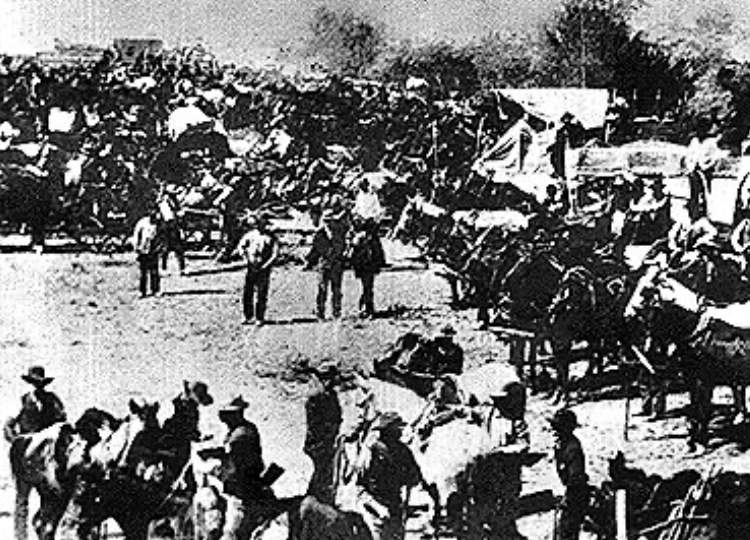
In the vast expanse of the Indian Territory, amidst the rugged terrain and the promise of new beginnings, two souls found each other amidst the chaos of land claims and dreams of prosperity. Vol Wilhelm Groff, a spirited young man with a penchant for adventure, and Joseph McElroy, a quiet and contemplative soul, crossed paths in the unforgiving landscape of Oklahoma in the year 1905.

The Indian Territory was a land of opportunity, where dreams clashed with harsh reality, and where individuals staked their claims in the hopes of carving out a future for themselves. Val and Joseph were among those brave souls, drawn to the promise of a better life on the frontier.

Their meeting was serendipitous, a chance encounter amidst the chaos of land rushes and bustling settlements. Val, with his infectious enthusiasm, captured Joseph’s attention from the moment they first locked eyes. Despite their differences in temperament, they found a deep connection that transcended words.

Val and Joesph
Photo Taken In Okarche Oklahoma

As they worked side by side, staking their claims and building their homesteads from the ground up, their bond grew stronger with each passing day. Amidst the challenges of frontier life, they found solace in each other’s presence, drawing strength from their shared dreams and aspirations.

But theirs was a love that dared not speak its name in the harsh reality of the early 20th century. In a world where societal norms dictated strict conformity, Val and Joseph had to tread carefully, concealing their love from prying eyes.

Yet, despite the obstacles they faced, their love endured, a beacon of hope in a world fraught with uncertainty. Through the trials and tribulations of frontier life, they remained steadfast in their devotion to each other, finding solace in the quiet moments shared beneath the starry Oklahoma sky.

As the years passed and the Indian Territory evolved into the state of Oklahoma, Val and Joseph’s love stood the test of time, a testament to the enduring power of love in the face of adversity. And though their names may have been forgotten by history, their love story lived on, a reminder that true love knows no bounds, not even the vast expanse of the American frontier.

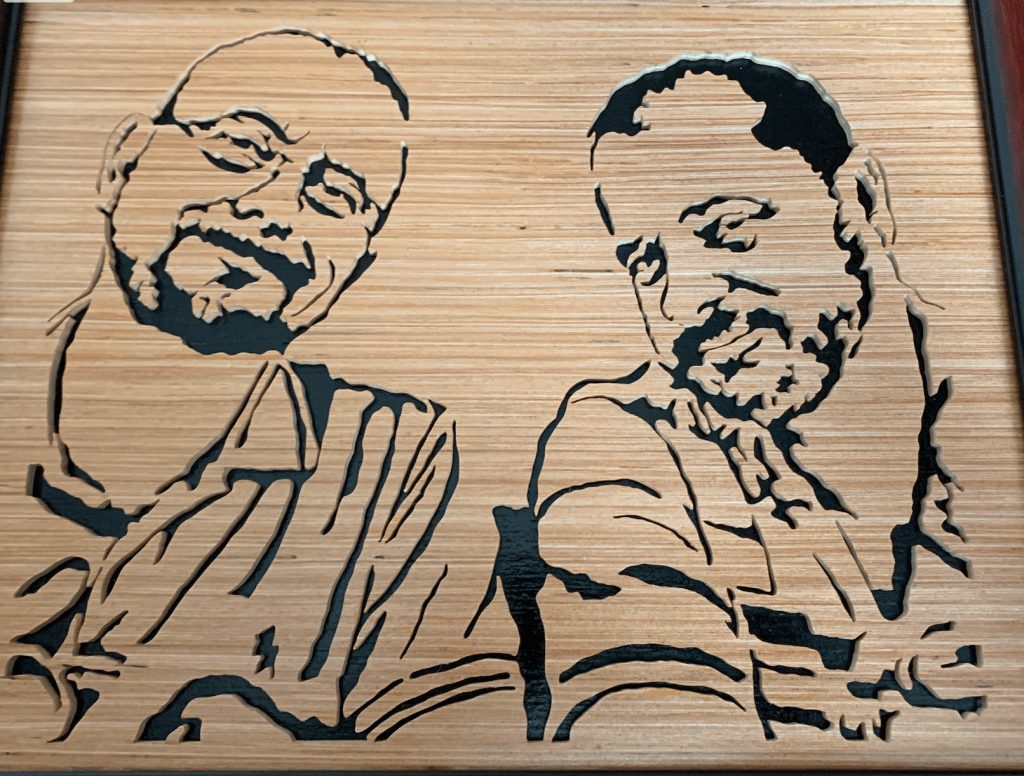
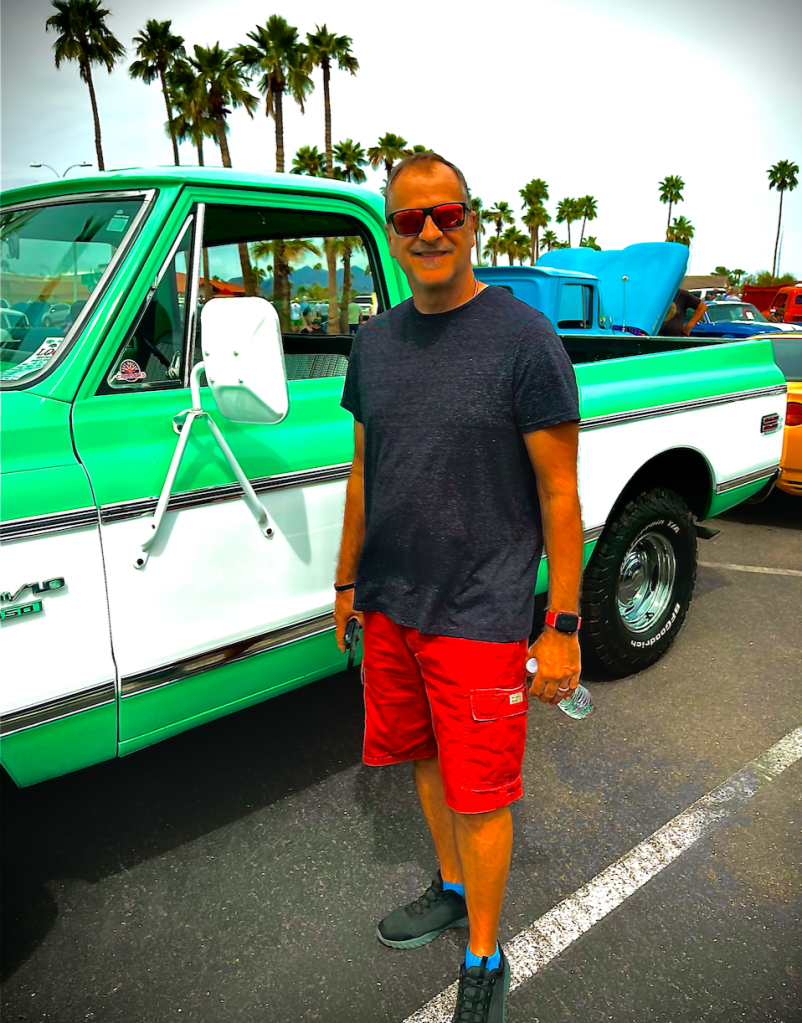
Forty Three Years And Counting

In the picturesque fusion of a town that captures the charm of Mayberry and the boundless frontier of Star Trek, two hearts found a love that defies time and space. Meet Ben and Steve, a couple whose love story is as enchanting as it is enduring—a beacon of hope and resilience that inspires all who witness it.

Ben and Steve

Steve, whose eyes sparkle like the constellations he admires, has always been a dreamer, casting his gaze toward the heavens with wonder and curiosity. On the other hand, Ben embodies justice and bravery, fearlessly chasing down thieves and reclaiming stolen cars. His badge shines brightly as a symbol of his commitment to protecting others.

Their worlds may seem galaxies apart, with Steve whispering messages to the cosmos through his microphone and Ben upholding the law with unwavering dedication. Still, these very differences make their love story so captivating. United by a love transcending boundaries, they lean on each other, their bond unbreakable, and their passion ever-growing.

Their love story began over four decades ago, a chance encounter that set the stage for a lifetime of shared dreams and unwavering commitment. Fourteen years ago, they leaped into matrimony, not just as a legal union but as a testament to their enduring love and resilience. In the face of uncertainty, it was a promise that their love would remain steadfast and accurate, and no matter what challenges lay ahead or rights that might be under threat, they would forever be united.

As the years have passed, their love has only grown stronger. They still greet each day with breakfast together, their laughter and companionship a testament to their enduring friendship and love. When future generations look back, marveling at how they managed to keep the flame of love alive for so long, the answer will be simple: it’s because of Ben and Steve and their unwavering passion and commitment to each other.

So, here’s to the kisses shared and the laughter exchanged, the dreams dreamed, and the challenges overcome. Their happiness is a daily reminder of the power of love, a beautiful reality that reminds us all to believe in the magic of true love. Cheers to Ben and Steve, whose love story inspires and enchants us all, proving that true love is timeless and everlasting.

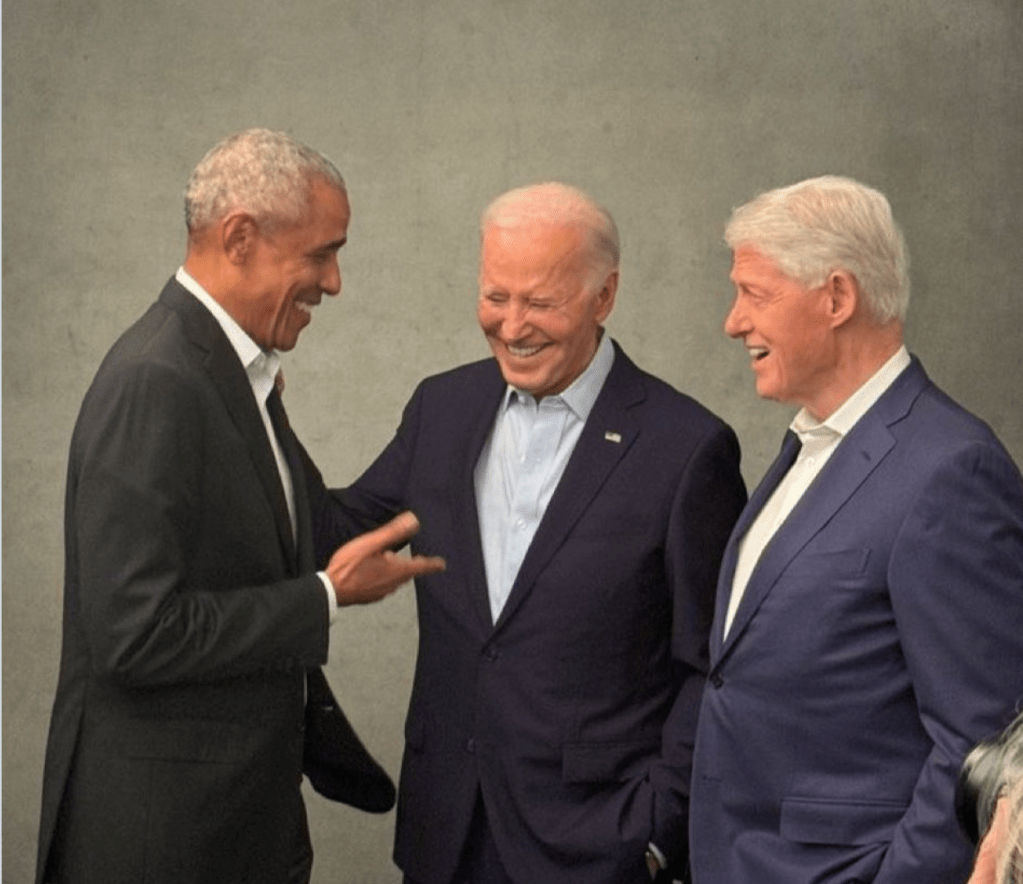
“Why do you back Joe Biden if you advocate for more young people in office?”

A Reanalysis by Benjamin G. benandsteve.com

This election isn’t about pitting the young against the old. It’s about ensuring that Gen Z and Millennials, who constitute a significant third of our nation’s population, have representation that mirrors their presence.

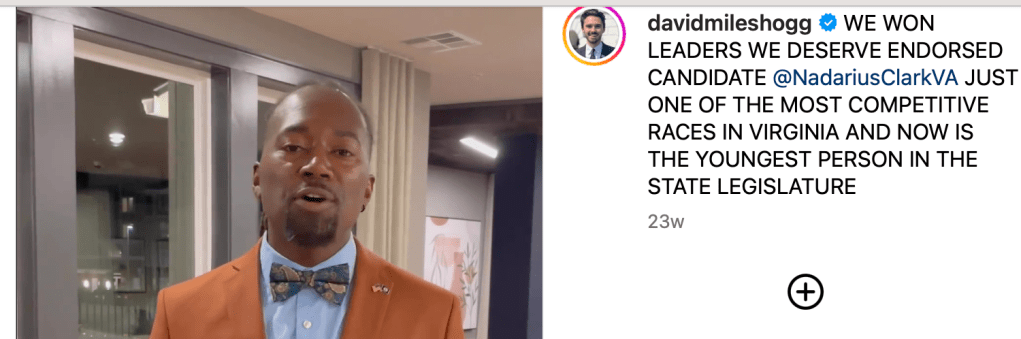
David Hogg Leaders We Deserve
PBS Interview

Although remembered as older, numerous influential leaders initiated their activism in their youth. We aim to support these leaders—like John Lewis, who embarked on a mission for vital change at a young age and became one of our country’s most pivotal and influential leaders.

Our goal is straightforward: elect more youthful leaders capable of introducing fresh perspectives into our government. 

Numerous barriers have historically prevented young people from entering public service and achieving the representation they deserve. Those who support America for all should make every effort to assist young candidates in overcoming these obstacles.

Visit Leaders We Deserve

After the setbacks of 2016, the 2018 blue wave brought the Democratic Party a renewed recognition of the influence young voters wield. In 2020, Joe Biden’s election, which was largely driven by the substantial turnout from Millennial and Gen Z voters, showcased the power of youthful participation. Your voice matters, and your vote can shape the course of our nation.

Vist The Post On Leaders We Deserve Winning!

In 2022, young voters reaffirmed their electoral influence, thwarting the anticipated “red wave.” Emerging young leaders like Justin Jones in Tennessee and Maxwell Frost in Florida gained prominence. Groups like “Leaders We Deserve” also celebrated their first endorsement success with Nadarius Clark’s election in Virginia.

Listen To Interview of radio interview

The benefits of electing young leaders extend beyond Gen Z and Millennials; they enrich the nation and shape our future. Commencing political involvement at a young age capitalizes on time, making it a potent political ally. Gen Z’s potential longevity in Capitol Hill eclipses many, underscoring the urgency of their ascent to power. The time to act is now.

If you resonate with a mission and aspire to bolster the election of deserving leaders in 2024 and beyond, please act to support feasible campaigns like “Leaders We Deserve” to support their endeavors or find a campaign that will help elect a Democratic Candidate to office.

Challenges and Solutions for Homelessness in America

Photo by MART PRODUCTION on Pexels.com
Photo by Timur Weber on Pexels.com

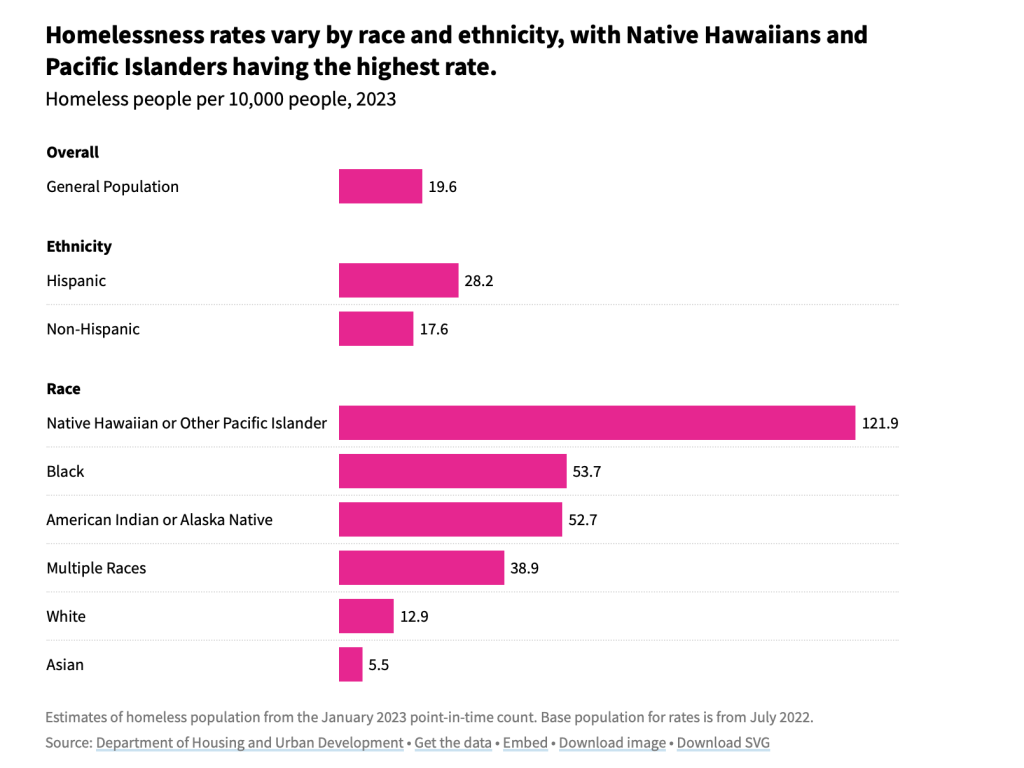
My household has always maintained a relatively liberal understanding of the country’s homeless situation. We disagree with outlawing their right to exist and have a place to live and shelter. They are, after all, doing the best they can with the current housing, employment, transportation, or other issues they face. Let them be!

Photo by Rosemary Ketchum on Pexels.com

That is what our stance has been all along, until we went out to breakfast this past weekend and the police department was herding a group along the main boulevard we take to our restaurant. They appeared to be the characters you don’t want to run into in a dark alley at night—or daytime, for that matter. For Christ’s sake, were they planning to put roots down behind our neighborhood. We have a wall around the place, but salespeople always jump in and try to knock on doors. We have security but are not the type that can handle these characters. Every winter, we have a homeless troupe that typically arrives and camps near a river, but they are the same people every year, and they are like the snowbirds who flow in and out of the area from the north. These new homeless characters were of a family we never experienced before. 

And that is what is scaring so many in America. The police found a suitable place for the troupe to travel on to, and there were no more sights of them after that initial spotting. But that is different for many in the country. These homeless populations inundate their communities, and it is an issue they have never before had to face. What if they are following suit? How many more will come? What problems will they bring with them? Will the property values deflate wherever they plant a stake? Jesus, are they diseased? 

California has spent billions of dollars trying to fix its homeless problem and has failed to find a solution. The issue is greater there now than ever. Affordable housing remains unobtainable to those needing it. California is asking people to build tiny homes in their backyards, garages, wherever there is space, and make them available to house people. The problem is, if folks don’t want them in their alleys, will they want them in their garages?

Locally in Phoenix, Arizona. My husband hired an unhoused person years ago and knew she was, although she had not disclosed so on her introduction form. He worked with her schedule to make sure she kept her employment, and within six months, she was able to get a studio apartment, moving from her car. She then told him. He said he knew all along, and that is why he had worked so hard to keep her going, and she turned out to be one of the best employees. Such an example may not be the case with every person, but it is an example of how we can attribute ourselves to improving the situation one person at a time.

While feeling uneasy about sudden changes in your community is natural, it’s important to remember that homelessness is not a choice for many people. They often face a variety of challenges, including mental health issues, substance abuse, lack of affordable housing, and unemployment, which can contribute to their situation.

As for the broader issue of homelessness, it’s clear that a comprehensive and compassionate approach is needed to address the root causes and provide effective solutions. This approach may include increasing access to affordable housing, expanding mental health and addiction services, and providing job training and employment opportunities for homeless individuals.

The Supreme Court now has the issue, and the Lord only knows what they will come up with. But no doubt Texas will pass a law ordering the execution of all homeless people after 30 days of being homeless. 


Biden’s Time In Office VS. Trump’s.

Question on Quora –

Joe Biden has taken 382 vacation days off to date. That equates to over one full year on vacation out of 3 years as US president. Is he the most ineffective US president in history?

Answered by Benjamin via benandsteve.com 

We take your word it was 382. I need President Biden’s schedule to confirm such details. Since the job is 24/7, 365 days a year, you never have any privacy, nor a day without less than twenty interruptions, even when on vacation. The vacation days alone don’t necessarily reflect a president’s effort. Being president is a demanding job that comes with its own set of challenges and responsibilities. While the president must take breaks and maintain a work-life balance, one should consider the number of vacation days in the broader context of one president over another president’s performance, decision-making, and leadership.

Every presidency has challenges and circumstances, and comparing one president’s vacation days to another does not give a comprehensive view of their effectiveness. When evaluating a presidency’s effectiveness, it’s also essential to consider the accomplishments, policies enacted, and challenges faced.

The information provided may be more accurate or presented better to portray a specific narrative. It’s always a good idea to fact-check information and consider multiple perspectives before forming an opinion.

For a fact, here’s what Biden didn’t do:

  • He never only started his work days around 11 am or 11:3AM, crisis or not.
  • Never made an ass out of himself on a global stage.
  • Never has had disregards to promises made during his campaign.
  • He Never has been impeached.
  • Biden didn’t get impeached a second time.
  • Biden never had to survive a Senate trial that most senators later – admit that they should’ve voted and should’ve been guilty.
  • Biden didn’t get indicted – FOUR TIMES.
  • It wasn’t Biden who tried overturning the People’s Will in the 2020 *Election by inciting an insurrection!
  • No Biden didn’t call the Georgia Secretary of State and attempt to *Strong arm him into creating 12,000 more votes in his favor.
  • Biden didn’t take papers from the national archives and refuse to return them to the United States Government. Going as far as to tell employees to hide the location of the boxes that contained them from authorities. Then, he agreed to return them and never did so. Then, having the stated allegations recorded on the video camera and denying it was real, lying to the FBI (also a crime.)

The list of things President Biden never did could go on, but it would be easier if you tuned into Court TV Monday through Friday.

Those are the differences you can make between Biden and Trump, which is just the start!

QUESTIONING AND REEVALUATING LONG-HELD BELIEFS AND ENCOURAGING DIALOGUE, UNDERSTANDING AND ACCEPTANCE?

The documentary “1946: The Mistranslation That Shifted a Culture” delves into a controversial and thought-provoking topic that challenges conventional beliefs about the Bible and homosexuality. Directed by Sharon “Rocky” Roggio, the film examines the claim that the Bible originally did not mention homosexuality and that references to it were added due to mistranslation and misunderstanding of ancient Greek terms.

The film highlights the work of Christian scholars who delve into forgotten archives at Yale University to uncover the origins of this mistranslation. It argues that conservative Christians began to propagate this mistranslation in the 1970s to scapegoat the LGBTQ+ community and oppose their growing liberation movement.

Roggio, who identifies as a lesbian and is the daughter of an evangelical minister, engages in dialogues with her father throughout the film, attempting to find common ground and challenge his beliefs about homosexuality being a sin. This personal narrative adds depth and emotion to the documentary, as it explores the complexities of faith, identity, and acceptance within a family divided by differing views on sexuality and religion.

The documentary sheds light on the potential harm caused by misunderstandings and misinterpretations of religious texts, highlighting the real-world consequences faced by LGBTQ+ individuals who have been marginalized, discriminated against, and even persecuted due to these beliefs.

Overall, “1946: The Mistranslation That Shifted a Culture” offers a compelling perspective on a contentious issue, urging viewers to question and reevaluate long-held beliefs and encouraging dialogue, understanding, and acceptance.


Photo by Alexander Grey on Pexels.com

Gay, Lesbian, Bisexual and Transgender National Hotline 1-888-843-4564. “The Gay, Lesbian, Bisexual and Transgender National Hotline provide telephone and email peer-counseling, as well as factual information and local resources for cities and towns across the United States.

The Difference Between Scranton Joe And Don The Con. A Whole Lot!

You’ve undoubtedly heard a comprehensive debate about the economic situation during the transition from Trump to Biden.

Photo by Andrew Neel on Pexels.com

Indeed, the economic conditions at the end of Trump’s term were challenging due to the pandemic, and Biden inherited an economy facing significant headwinds. The pandemic’s impact on the economy was unprecedented, affecting employment, consumption, and global demand.

However, public perception and political narratives often prioritize certain aspects of an administration’s performance while downplaying others. People’s opinions become shaped by various factors, including media coverage, partisan affiliation, personal experiences, and messaging from political leaders.

Photo by Jozemara Friorili Lemes on Pexels.com

Trump had shut down the United States of America, a fact that nearly every American forgets today. They need to remember the closed stores, the empty shelves, the closed restaurants, the doctor’s office that had to refuse patients, hospitals that were so full no one could visit, and nursing homes where loved ones had to stand outside and wave to loved ones from the street, and Funeral Homes so full they were using rental refrigerator trucks to store bodies—the toilet paper shortages. That was Trump’s Administration. Biden had to clean it up. He received much blame for what must occur to get the nation back on track. But he got to work, and the country got back to life.

Here are a few points to consider when thinking about why public opinion might differ between Trump and Biden regarding the economy:

  1. Partisan Bias: Political affiliations can heavily influence people’s views on the economy. Republicans may be more inclined to credit Trump for positive economic developments during his term and blame external factors like the pandemic for any downturns. Conversely, Democrats may be more critical of Trump’s handling of the economy and more forgiving of the challenges Biden faced upon taking office.
  2. Messaging and Framing: Political leaders and media outlets shape public opinion. How economic data and policies get reported can influence people’s perceptions of the economy’s performance. Trump was known for touting positive economic indicators during his term, influencing public perception despite the broader challenges.
  3. Another significant factor that shapes public opinion on the economy is personal experience. People’s direct economic situations, such as job loss, financial hardship, or financial gains, can profoundly impact their views. For instance, someone who experienced a job loss or financial hardship during Trump’s term might have a negative view of his economic policies. Conversely, if someone benefited from tax cuts or saw their investments grow, they might have a more positive perception. Complexity of Economic Issues: Economic conditions are influenced by a multitude of factors, including global trends, monetary policy, fiscal policy, and more. It can be challenging for the average person to parse through these complexities and assign credit or blame to a particular administration accurately.
Photo by Anna Tarazevich on Pexels.com

In conclusion, public opinion on the economy is multifaceted, and partisan biases could dominate messaging, personal experiences, and the complexity of economic issues. While the data presented paints a challenging economic picture at the end of Trump’s term, public perception is by broader factors. And it is conveniently forgotten!

Praying At The State House

When A Law Maker Takes Amen Corner To The People’s House

In a scene straight out of a dystopian movie about America’s collapse into christofascism, here’s a video of Arizona State Senator Anthony Kern and his group of anti-abortion zealots on their hand and knees in the the AZ State House Chamber of the state capital, engaging in tongues-praying for the reinstatement of a near-total abortion ban from 1864. 

Image is not that of any person appearing in report.

Kern — a former code enforcement officer who was fired for lying and “string of other disciplinary problems” — can be seen on the carpet with his gang of extremists circled around the Arizona state seal in the carpet, babbling fervently for divine intervention to resurrect a Civil War-era law.

As Public affairs strategist Tony Cani points out, the real kicker is that they didn’t even need to pray; the groundwork for this moment had been meticulously laid out years prior.


That sounds like a striking and controversial scene, blending elements of politics, religion, and history. The image you’ve painted paints a vivid picture of the tensions surrounding issues like abortion and the intersection of religion and politics in American society.

Photo by John-Mark Smith on Pexels.com

It’s always concerning when political figures engage in such public displays of religious fervor to push a specific agenda, especially when it involves legislation that could significantly impact people’s lives. The blending of state and religious symbols in a governmental chamber can raise questions about the separation of church and state, a foundational principle in the United States.

The fact that Senator Anthony Kern has a history of disciplinary problems adds another layer of complexity to the situation. It raises questions about his credibility and the motivations behind such a public and symbolic act.

Tony Cani’s observation about the groundwork being laid out years prior underscores the idea that these moments are often carefully orchestrated for maximum impact. It highlights the strategic nature of political theater and the lengths to which some will go to advance their agenda.

It’s essential for citizens to remain informed and critically evaluate these actions, ensuring that decisions made by elected officials are in the best interest of all constituents and uphold the principles of democracy and justice.

One could bring up a valid point about the intersection of religion and politics, especially when politicians use religious displays as a means to appear more righteous or to gain public support for their agenda. The scripture from Matthew 6:5-8 that is mentioned highlights the importance of sincerity and humility in religious practice, cautioning against performative acts of piety.

Photo by Asad Photo Maldives on Pexels.com

When politicians engage in public displays of religious fervor, it can raise questions about their sincerity and motivations. Are they genuinely acting out of religious conviction, or are they using religion as a tool to advance their political goals? The line between genuine faith and political opportunism can become blurred, leading to skepticism and mistrust among the public.

It’s essential for voters and citizens to be discerning and critical of such displays, ensuring that they hold their elected officials accountable for their actions and motivations. Blind acceptance of religious or political rhetoric without critical evaluation can lead to the exploitation of faith for political gain.

Photo by Ric Rodrigues on Pexels.com

Ultimately, the misuse of religion for political purposes can undermine the true essence of faith, which should be centered on love, compassion, and genuine connection with the divine, rather than on power, control, or political advantage.

Florida The Land Of Detention

Florida has a new law that is designed to fill prisons.

Commercial Incarceration Facilities Prospering In Florida. Investments in private prisons contracted with Florida show favor with new laws designed to provide continous population on a rotational basis.

Photo by RDNE Stock project on Pexels.com

The growth and prosperity of commercial incarceration facilities in Florida have been a topic of debate and concern for many. Investments in private prisons have indeed increased in recent years, and this growth can be attributed to several factors, including new laws and policies that aim to maintain a steady population within these facilities.

One of the key issues often raised regarding private prisons is the potential conflict of interest that arises when profit motives intersect with the administration of justice. Critics argue that the financial incentives associated with running a for-profit prison may lead to practices that prioritize cost-cutting over the well-being and rehabilitation of inmates.

Photo by RDNE Stock project on Pexels.com

Proponents of private prisons, on the other hand, argue that these facilities can operate more efficiently than their public counterparts, potentially saving taxpayer money. They also point to contractual agreements that often include occupancy guarantees, ensuring a consistent revenue stream for investors.

However, concerns persist about the quality of care and services provided in private prisons, as well as the potential for abuse and neglect. Reports of overcrowding, inadequate medical care, and safety issues have raised alarm bells among advocates for criminal justice reform.

In Florida, the state has entered into contracts with private prison companies to house a portion of its inmate population. With new laws designed to ensure a continuous flow of inmates into these facilities, investors in private prisons may see this as a lucrative opportunity for growth.

Photo by RDNE Stock project on Pexels.com

It’s essential to approach the topic of private prisons with a critical lens, considering both the potential benefits and drawbacks associated with their operation. As the debate continues, policymakers, advocates, and stakeholders must work together to ensure that any expansion of private prisons prioritizes public safety, justice, and the well-being of inmates.

Listening Key To Understanding Transgender-Cisgender Issues Today

Photo by Oriel Frankie Ashcroft on Pexels.com


It’s essential to approach discussions about transgender issues with understanding and openness rather than defensiveness. Each person’s experience and understanding of gender identity is unique, and our language should reflect that diversity.

Acknowledging the differences between transgender and cisgender individuals doesn’t diminish anyone’s identity; it respects the nuances of each experience. Language is a tool for communication, and its meaning can evolve over time. It’s crucial to listen carefully and ask questions to ensure we understand each other’s perspectives accurately.

Photo by Eduardo Lu00f3pez on Pexels.com

The rigid social structures of the past are giving way to more fluid and inclusive understandings of gender and identity, especially among younger generations. Embracing this change and learning from it can help us create a more inclusive society for everyone.

As older generations, we have a responsibility to engage in these conversations and advocate for understanding and acceptance. Our experiences can offer valuable insights, but we must also be willing to learn from the perspectives of younger generations.

Photo by Wallace Araujo on Pexels.com

We must stand together against discrimination and fight for the rights and dignity of all individuals, regardless of their gender identity or sexual orientation. By educating ourselves and others, voting for inclusive policies, and speaking out against hate, we can work towards a more just and equitable society for all.

We All Need Heroes

flip.it/j7a9pE

Looking for hope sometimes comes from a variety of hard-to-find places. When you are a member of the LGBTQI Community, a blind superhero, a nudge has always been as good as a wink.

One-Time
Monthly
Yearly

Make A One-Time Donation To Help Maintain The Efforts You Find On This Site And The Support Sites Utilized For Information Found At benandsteve.com 

Make a monthly donation

Make a yearly donation

Choose an amount

$5.00
$15.00
$100.00
$5.00
$15.00
$100.00
$5.00
$15.00
$100.00

Or enter a custom amount

$

Your contribution is appreciated.

Your contribution is appreciated.

Your contribution is appreciated.

DonateDonate monthlyDonate yearly