In the small town of Elderton, nestled between rolling hills and dense forests, there lived a man named Mr. Gorb. Mr. Gorb was a meticulous man, a perfectionist in every sense. His business dealings were unique, for Mr. Gorb was the town’s undertaker. However, unlike others in his profession, Mr. Gorb went above and beyond to ensure each client received a personal touch.
Although Mr. Gorb’s clients were all deceased, that didn’t mean they deserved any less care. He believed that everyone deserved a final sendoff that reflected who they were. This philosophy became known as the “Gorb Touch,” a term that resonated deeply within the community.
When someone in Elderton passed away, Mr. Gorb would embark on a journey to recreate their likeness as closely as possible to how they appeared when they last walked down Main Street. He would search the town for the most recent photographs of the deceased, often speaking with family members and friends to gather any images they had. He delved into the history of his clients, learning about their favorite outfits, their unique hairstyles, and any other defining features that made them who they were.
Mr. Gorb’s dedication was unparalleled. He would spend hours carefully applying makeup, arranging hair, and selecting the perfect attire for each individual. His attention to detail was astounding, and the results were always breathtaking. The people of Elderton loved Mr. Gorb for his personal touch and the comfort it brought them during their loss.
One crisp autumn morning, the townspeople awoke to shocking news. Mr. Gorb had passed away in his sleep. The entire town was at a loss. Who would now carry on the tradition of the Gorb Touch? Who would prepare Mr. Gorb himself for his final farewell?
Unbeknownst to the townspeople, Mr. Gorb had been quietly training an apprentice. A young man named Thomas had come to Elderton a few years prior, seeking guidance and a place to belong. Mr. Gorb had seen potential in Thomas and had taken him under his wing, teaching him everything he knew about the delicate art of caring for the deceased.
Thomas had learned well. He had absorbed every lesson, technique, and philosophy Mr. Gorb shared with him. And now, as the town mourned the loss of their beloved undertaker, Thomas stepped forward to fulfill his mentor’s legacy.
With a heavy heart, Thomas prepared Mr. Gorb for his final journey. He meticulously followed the same process Mr. Gorb taught, ensuring that every detail was perfect. The townspeople watched in awe and gratitude as Thomas recreated Mr. Gorb’s likeness with the same dedication and care that had become synonymous with the Gorb Touch.
The funeral was a beautiful tribute to Mr. Gorb’s life and work. As the townspeople gathered to say their final goodbyes, they saw the continuation of a tradition that had brought them so much comfort and peace in Thomas. They knew that Mr. Gorb’s legacy would live on through his apprentice and that the personal touch that had defined their community would never be lost.
~ THE GORB TOUCH WILL LIVE ON ~
Thomas continued to serve the people of Elderton with the same compassion and attention to detail that Mr. Gorb had instilled in him. As the years passed, the Gorb Touch remained a cherished tradition, a testament to the enduring impact of one man’s dedication to his craft and community.
Fred Harper was a man of simple routines. The mild-mannered police officer of Cedar Hollow, a quaint town of 700 nestled between rolling hills and dense forests, had a nightly patrol route that rarely changed. He preferred it that way. Cedar Hollow was a peaceful place where not much happened, and Fred liked it that way.
His nightly rounds consisted of checking the locked doors of businesses, shining his flashlight into the occasional darkened alley, and waving at the few night owls who might be walking their dogs or taking a late-night stroll.
But on this particular night, the tranquility of Cedar Hollow was shattered by a series of unexpected events, disrupting Fred’s usual routine. It all began with a frantic call from Mary Jenkins, the usually composed wife of the mayor. Her voice was filled with urgency as she relayed the news about Helen’s labor.
Fred’s heart raced. He’d never delivered a baby before. He rushed to his squad car and sped to Helen’s house. When he arrived, he found Helen in the living room, breathing heavily, with Mary by her side. The tension in the room was palpable, and Fred could feel the weight of the situation on his shoulders.
Upon Fred’s arrival, Mary’s relief was palpable. “Fred, thank God you’re here,” she exclaimed, her face a picture of relief. “You need to help her. Now.”
Fred took a deep breath, remembering the emergency childbirth training he’d received years ago. With Mary’s assistance, he coached Helen through the contractions. After what felt like an eternity, but was in reality only a few intense minutes, the cries of a newborn filled the room. Fred cradled the baby in his arms, his uniform shirt now soaked with sweat.
Just as he handed the baby to a tearfully grateful Helen, his radio crackled to life. “Fred, we need you at the fire station. There’s a fire behind the building, and no one can start the engine.”
Leaving Helen and the baby in Mary’s capable hands, Fred raced to the fire station. Flames were licking the sky, dangerously close to City Hall. Fred jumped into the fire engine, praying his training would return to him. He managed to start the engine and drove it to the blaze. With no other firefighters in sight, he took hold of the hose and aimed it at the inferno. Neighbors, awakened by the commotion, formed a bucket brigade to help douse the flames. Together, they managed to keep the fire from spreading and saved City Hall.
As the last embers got extinguished, Fred’s radio buzzed again. “Officer Harper, there’s a break-in at the bank. Thieves are trying to rob the place.”
Exhausted but determined, Fred headed to the bank. He found a group of masked men attempting to pry open the vault. Drawing his service weapon, he shouted, “Freeze! Cedar Hollow Police!” The thieves, startled by his sudden appearance, attempted to flee. Fred, with unwavering courage, managed to subdue two, but the others escaped into the night. He secured the captured thieves and called for backup from neighboring towns.
The thieves, startled by his sudden appearance, attempted to flee. Fred managed to subdue two, but the others escaped into the night. He secured the captured thieves and called for backup from neighboring towns. Just as he thought the night couldn’t get any worse, the call came in: “Fred, there’s been a four-car accident at the intersection. Significant injuries reported, and the town’s ambulance is thirty miles away.”
Fred’s mind raced as he arrived at the scene of the collision. Cars were crumpled, and injured people strewn across the road. He did what he could, providing first aid and comforting the victims while calling for an ambulance from a neighboring town. The ambulance, however, got lost on the way, and Fred’s patience became stretched to its limit.
As the first rays of sunlight lit up the sky, Fred finally saw the flashing lights of the neighboring town’s ambulance. He directed them to the injured, ensuring everyone received their needed care. The lady and her newborn, the fire at the station, the bank heist, and now the accident had been the most eventful night in Cedar Hollow’s history.
When the town woke up to a new day, Fred was utterly exhausted. His uniform was torn and dirty, and his body ached from the night’s exertions, but he was filled with a sense of accomplishment. He had faced every challenge alone and come through for his community.
As the townsfolk learned of the night’s events, they became filled with deep admiration and gratitude for Fred. They hailed him as a hero, their voices echoing through the streets of Cedar Hollow. But Fred, the humble officer, just smiled and said, “I was just doing my job.” His modesty only added to the townsfolk’s reverence for him, strengthening the bond of respect and unity within Cedar Hollow.
And Fred Harper, the humble police officer of Cedar Hollow, became a legend. In a town where life was usually quiet and uneventful, the night of chaos and heroism is a stark contrast, etching Fred’s name into the town’s history and leaving a profound mark on Cedar Hollow’s narrative.
Returning home from basic training, John returned to a place he no longer knew. It was the same one he had left before going ‘to basic,’ but he was different. Between leaving and coming back, John had changed. Or had he accepted something about himself? He didn’t know.
From his perspective, his life was one in which he would have to live in double time: in his time for himself and when he was with his family in a perspective that fit their permissions. He had dated a girl before he left but had broken up with her before he returned. By letter. A ‘Dear Jane’ type of letter, letting her know she could date other guys and that he didn’t expect her to wait for him.
John wrote he would be in no condition as a datable companion if and when he returned. He included a few other words about how training had changed him, getting him ready for the fight, hoping it would get the message across and cause her to continue her life. He had been ranked and assigned to maintenance crews stateside for two years, which was the reality of his assignment.
When John arrived back in his hometown, he stepped off the bus, duffel bag slung over his shoulder, and the familiar streets of his hometown unfolded before him. It was a hot summer afternoon, and the cicadas droned loudly, filling the heavy air with their constant hum. It should have felt like home, but it didn’t. Everything seemed smaller, almost claustrophobic. The neat houses, the familiar storefronts, even the people who waved at him with a mix of pride and curiosity—none of it felt right.
He adjusted the strap on his shoulder and started walking, the soles of his boots crunching on the gravel. Memories of his time in basic training flooded his mind. The relentless drills, the camaraderie with his fellow soldiers, and the quiet introspection late at night had been a time of transformation, of pushing his limits and discovering parts of himself he had never confronted.
One of those parts was realizing he couldn’t keep living a lie. He’d broken up with Emily in a letter, the words blunt and final. He’d told her that basic training had changed him, but he hadn’t told her how. He hadn’t told her the real reason was that he couldn’t keep pretending to be someone he wasn’t. He’d signed the letter with a shaky hand, hoping she’d understand and move on.
Standing on his childhood street, John felt the weight of his double life pressing down on him. He had come to terms with his identity, but he knew that acceptance came with a price. His family had certain expectations and beliefs, and he didn’t fit into their neat, tidy picture. The contrast between his inner truth and their external expectations was stark, and it weighed heavily on him.
As he approached his house, he saw his mother standing on the porch, her face lighting up as she saw him. She hurried down the steps, arms outstretched, and he found himself enveloped in her warm embrace.
“Oh, it’s so good to have you home!” – she exclaimed, looking back at him.
“You’ve grown, and you look so strong!”
He forced a smile, nodding.
“It’s good to be home, Mom.”
Inside, the house smelled freshly baked bread and flowers from the garden. His father was in his usual chair, reading the newspaper. When he saw his son, he stood and nodded in approval.
“Welcome back, son,”
The dad said gruffly.
“You did us proud.”
“Thanks, Dad,”
John replied, ignoring the tight knot in his stomach.
The next few days went by in a blur of family gatherings and catching up with old friends. Everyone wanted to hear about his experiences, basic training, and future in the maintenance crew. John told them what they wanted to hear, leaving out the parts that didn’t fit into their narrative.
One evening, he found himself alone in his room, which felt more like a museum of his past than a place of comfort. He sat on the edge of the bed, looking at the photos on the wall and the trophies on the shelf. It all felt so distant, so disconnected from who he had become.
He pulled out his phone and stared at Emily’s number. He had rehearsed what he wanted to say a hundred times, but now that the moment was here, he felt paralyzed.
Finally, he typed out a message:
“Hey Emily, I’m back in town. Would you like to meet up sometime? There’s something I need to talk to you about.”
He hit send before he could second-guess himself, and the response came quickly.
“Sure, I’d like that. When and where?”
They agreed to meet at the local coffee shop they used to go to in high school. As John walked there, he felt a mixture of dread and relief. He knew this conversation was necessary, but he also feared the consequences.
Emily was already there when he arrived, sitting at a corner table. She looked up and smiled when she saw him, but there was a hint of uncertainty in her eyes.
“Hi,” she said as he sat down. “It’s good to see you.” “You too,” he replied, taking a deep breath. “Emily, I need to tell you something, and it’s not easy for me.”
She looked at him, her expression softening.
“Whatever it is, you can tell me.”
He looked down at his hands, then back up at her.
“I broke up with you because I couldn’t keep lying. And I couldn’t keep lying to you. I’m gay, Emily. That’s why I ended things. I didn’t want to hurt you, but I couldn’t keep pretending.”
There was a long silence, and he felt his heart pounding. Finally, Emily reached across the table and took his hand.
“Thank you for telling me,” she said quietly. “I wish you had told me sooner, but I understand. I’m glad you’re being true to yourself.”
As they parted ways, John felt a sense of relief wash over him. The weight of his secret had been lifted, and he felt lighter, as if their visit had released a burden from his shoulders. He was grateful for Emily’s understanding and acceptance, and he felt a renewed sense of freedom and authenticity.
Returning home, John knew there were still challenges ahead—his family, community, and the double life he would have to navigate. But he also knew that he had taken the first step towards living authentically. For the first time in a long time, he felt a glimmer of hope.
A man named Ethan lived in the quaint village of Willowbrook, nestled among rolling hills and serene landscapes. Ethan was unlike any other in the town; he was born with a third leg. Though some initially viewed him with curiosity and even pity, he became an integral part of the community, his unusual limb symbolizing resilience and strength.
The village cherished its traditions, and none was more beloved than the annual Christmas service held in the old stone church at the heart of Willowbrook. On Christmas Eve, every villager would gather for a night of songs, stories, and the sharing of a festive feast. However, one fateful Christmas Eve, the peaceful village was disrupted by a band of ruthless hoodlums. Known for their brutal raids, they had been terrorizing nearby towns, leaving a trail of destruction in their wake. The villagers of Willowbrook had heard whispers of their approach but hoped their remoteness would spare them.
As the service commenced, distant hoofbeats grew louder, echoing ominously through the church. Panic spread among the villagers as the doors burst open, revealing the menacing figures of the hoodlums. They forced everyone into the central aisle, threatening violence and demanding valuables.
Ethan, seated near the back, watched the chaos unfold. His heart pounded, not out of fear for himself but for his friends and family. He knew he had to act. As the hoodlums corralled the villagers, Ethan stumbled and fell in the narrow central aisle, his third leg jutting out awkwardly.
Shouts of anger and confusion erupted from the hoodlums as they tripped over Ethan’s leg, one after another. Understanding Ethan’s silent signal, the villagers began to leap over his third leg with practiced ease. The invaders, unfamiliar with the anomaly, continued to fall, rendering themselves unconscious as they hit the stone floor.
Ethan’s bravery gave the villagers the precious moments they needed. The stronger men and women quickly disarmed the stunned hoodlums, binding them with whatever they could find. The church that had been a place of sanctuary became a fortress of courage and quick thinking. In the aftermath, the village celebrated Ethan as a hero. His act of selflessness and his unique third leg had saved them all. Yet, Ethan, who had always been modest and kind-hearted, succumbed to injuries sustained in the struggle. He passed away that night, surrounded by those he had saved.
Ethan’s story became a legend, and when the townspeople spoke his name, it was done so with reverence and gratitude. A statue was erected in the village square, depicting him with his three legs, a testament to his bravery and the night he saved Willowbrook. Every Christmas Eve, the villagers would gather at the church, now with a plaque dedicated to Ethan, and recount the tale of the man whose unique gift had become their salvation. The legend of Ethan, the three-legged savior of Willowbrook, lives on, symbolizing how even the most unexpected traits can be the greatest of blessings.
At 94, Mabel Johnson had seen her share of life’s trials and tribulations. From the Great Depression to the advent of the internet, she had weathered it all with resilience and grace. But now, in 2024, Mabel faced a new and unprecedented challenge. She knew what to do as she stood in her late husband’s workshop, surrounded by his carefully curated collection of firearms.
Her son, David, lived 1100 miles away with his husband, Alex. They had built a life together filled with love and laughter. But the political climate was changing, and the radical policies of the so-called 2025 Plan, championed by a rising wave of extremists, threatened everything they held dear. The hate-mongers on the Right had made their intentions clear: to eradicate the freedoms and rights of the LGBTQ+ community.
Mabel’s husband, George, had been an avid collector of firearms. His collection was extensive, ranging from vintage rifles to state-of-the-art automatic weapons. Though Mabel had never been a fan of guns, she understood their power and the protection they could offer. Looking over the arsenal, she felt George’s presence and strength guiding her.
Determined to protect her son and his husband, Mabel loaded the weapons into the back of her old station wagon. It was a journey she had to make alone. Mabel left a note for her neighbors, letting them know she was visiting family and might be gone for a while. With a deep breath, she set off on the long drive.
The miles rolled by as Mabel drove through vast countryside, bustling cities, and quiet towns. Memories of David’s childhood filled her thoughts, from his first steps to his high school graduation. She remembered the day he came out to her and George, the fear in his eyes, and the relief when they embraced him with unconditional love. They had always supported him, and now, more than ever, he needed their strength. The road was long and lonely, but Mabel’s determination and love for her son kept her going.
As she crossed state lines, Mabel listened to the news on the radio. Reports of violent clashes and hate-filled rallies filled the airwaves. The world seemed unraveling, and she feared for David’s safety. But she pressed on, determined to reach him in time.
After three days of relentless driving, Mabel finally arrived at David and Alex’s home. The two men rushed out to greet her, their faces etched with worry and relief. David enveloped his mother tightly, tears streaming down his face. The relief was palpable, and Mabel knew she had made the right decision.
“Mama, what are you doing here?” he asked, his voice choked with emotion. “I came to protect you,” Mabel replied, her voice steady despite her exhaustion. “I brought your father’s collection. You’ll need it.”
David and Alex helped her unload the weapons, their faces a mix of shock and gratitude. They knew the gravity of the situation and the lengths Mabel had gone to ensure their safety. Mabel shared her plan as the three sat around the kitchen table that night. They would train, learn to defend themselves and stand united against the impending threats. It wasn’t just about the weapons but also about resilience, love, and the unbreakable family bond.
Mabel became a fixture in David and Alex’s home in the following weeks. She taught them everything George had taught her about firearms, and they spent countless hours preparing for whatever might come their way. Inspired by Mabel’s bravery, the community began to rally together, forming a network of support and defense. Neighbors who had never spoken before now stood side by side, united in their determination to protect their loved ones and their rights.
David and Alex knew they were not alone as the political climate grew more hostile. With Mabel, they faced the future with unwavering determination and hope. The journey had been long and arduous, but it was a testament to the power of love and the lengths a mother would go to protect her son.
They stood firm in the face of hate, ready to defend their rights and home. And Mabel, at 94, proved that courage and love knew no age limits.
They stood firm in the face of hate, ready to defend their rights and home. Mabel, at 94, proved that courage and love knew no age limits. The couple then gathered other LGBTQI+ couples and members of the community and built teams like possies in the tens of thousands in cities and counties around the country, saving the land and freedom from extremists.
In the bustling halls of NASA’s Johnson Space Center, where scientific minds collaborated to unlock the mysteries of the universe, there was a man named Dr. Richard Campbell. An experienced geologist, Dr. Campbell spent decades studying lunar samples and meteorites. His colleagues revered him for his meticulous research and unyielding skepticism—a trait that earned him both admiration and exasperation.
It all began one unassuming Wednesday morning when a rumor started circulating among the younger scientists—whispers of “moon rocks that beep” echoed through the labs, sparking excitement and curiosity. The story was that during a routine analysis, a peculiar sound echoed from one of the lunar samples hauled back to earth the Apollo missions.
Dr. Campbell dismissed these rumors as sheer nonsense. “Rocks don’t beep,” he asserted firmly whenever the topic arose. His logical mind couldn’t entertain the idea of lunar rocks emitting any sound, let alone beeping. He considered it a prank or, at best, a misinterpretation of data.
However, the buzz around the beeping moon rocks grew too loud to ignore. A young researcher named Dr. Emily Hayes, fresh out of her post-doc, approached Dr. Campbell with a determined look in her eyes. She respected his skepticism but believed there was something worth investigating. “Dr. Campbell, I’d like you to see this for yourself,” she insisted, holding a tiny sample encased in a protective glass container. Reluctantly, he agreed to examine it in the lab.
Under the laboratory’s sterile white lights, they set up the sample on the analysis table. Dr. Hayes connected it to an array of sensors and amplifiers, the same setup that had reportedly detected the beeping. Dr. Campbell watched with skepticism and curiosity, arms crossed over his chest.
As the seconds ticked by in the sterile laboratory, a faint, almost imperceptible series of beeps reverberated through the speakers. Dr. Campbell’s eyes widened in disbelief. He leaned closer, adjusted his glasses, and listened again. There it was—a clear, rhythmic beeping sound emanating from the moon rock, a sound that defied his logical understanding of lunar geology.
“How is this possible?” he muttered, more to himself than to Dr. Hayes. His mind raced with potential explanations: electrical interference, experimental error, or even a practical joke. But, anticipating his doubts, Dr. Hayes showed him the logs of previous tests, all yielding the same results.
Driven by a newfound curiosity, Dr. Campbell embarked on a meticulous investigation of the phenomenon. He conducted a series of rigorous tests, eliminating every conceivable source of error. Days turned into weeks as he and Dr. Hayes worked tirelessly, scrutinizing every detail, leaving no stone unturned in their pursuit of scientific truth.
Their breakthrough came when they discovered a minute crystalline structure within the rock that had previously been overlooked. These crystals had piezoelectric properties, meaning they could create an electrical charge in response to mechanical stress. They theorized that the beeping was a result of tiny vibrations within the lunar environment that caused these crystals to emit electrical signals, which were then picked up as sound by their sensors.
Dr. Campbell’s initial skepticism gave way to a sense of awe and excitement. The discovery of the beeping moon rocks was not just a scientific breakthrough, but a leap toward our understanding of the moon’s geology and unique properties. He and Dr. Hayes co-authored a paper detailing their findings, a paper that was not just published, but widely celebrated in scientific journals worldwide.
The story of the beeping moon rocks became legendary at NASA, a testament to the importance of curiosity, skepticism, and collaboration in scientific discovery. Dr. Campbell, once the man who didn’t believe in beeping moon rocks, became their most passionate advocate, reminding everyone that the most extraordinary discoveries sometimes come from the most unlikely sources.
In the summer of 2024, two city mice, Max and Lily, took a break from their bustling urban lives. Yearning for fresh air and tranquility, they planned a weekend getaway to the serene countryside. They packed a delightful picnic basket filled with cheese, bread, and a selection of berries and set off for the rolling hills and meadows.be
After a few hours of travel, they found the perfect spot—a grassy knoll overlooking a gentle river winding through the valley. The beauty of the countryside was breathtaking, with the sun casting a golden glow above the rolling hills. They laid out their blankets, unpacked their baskets, and enjoyed their feast under the warm sun, surrounded by the serene beauty of nature.
As the day went on, dark clouds began to gather on the horizon. Max, ever the cautious one, suggested they pack up and head back to the cottage they had rented. But Lily, captivated by the beauty of the countryside, convinced him to stay a bit longer. “It’s just a little rain, Max. We’ll be fine,” she said with a reassuring smile.
However, the little rain quickly turned into a torrential downpour. The river, once calm and serene, began to swell and rage. Realizing the severity of the situation, Max and Lily quickly gathered their belongings and started returning to the cottage. But the water rose faster than they could move, soon turning the meadow into a swirling expanse of water. The danger was palpable, and their hearts raced with fear as they struggled to reach safety.
They spotted an old, hollow oak tree on a small hill with nowhere to go and the floodwaters rising around them. “There!” shouted Max. “We can take shelter in that tree!” They waded through the water, which was now waist-deep, and climbed into the hollow trunk just as the floodwaters swept over their picnic spot.
Max and Lily huddled inside the tree, shivering from the cold and damp. The hours dragged on, and the rain showed no sign of letting up. They could hear the river’s roar and the crashing of debris being swept along by the flood.
Just as they were beginning to lose hope, the rain finally stopped. The relief was palpable, and they felt a surge of hope as the floodwaters started to recede, leaving a landscape transformed by the storm. Cautiously, Max and Lily emerged from their shelter. The meadow was a muddy mess, and their picnic spot was nowhere to be seen. But they were safe.
Determined to make the best of their situation, Max and Lily set to work. They used their city smarts to fashion a makeshift raft from fallen branches and debris, which they used to navigate the still-swollen river. Eventually, they reached the cottage, which had miraculously remained untouched by the flood.
Tired but relieved, Max and Lily dried off and warmed themselves by the fire. They reflected on their adventure and the dangers they had faced. “Maybe next time, we’ll check the weather forecast before our picnic,” Max joked, eliciting Lily’s tired but genuine laugh.
Their countryside picnic had turned into an unexpected adventure, strengthening their bond and reminding them of the importance of being prepared. As they settled in for the night, they were grateful for their safety and each other, ready to face whatever future adventures might bring.
Two cowboys, Jake and Jud, rode their horses through the treacherous Valley of Vultures in the heart of the Wild West. The landscape, a rugged expanse of rocky canyons and arid plains, seemed to stretch into eternity.
The setting sun cast a crimson glow across the jagged cliffs, and the ominous sight of circling vultures overhead sent a shiver down their spines, a stark reminder of the peril that surrounded them.
Jake, a rugged man with a scruffy beard and a faded hat, glanced at his companion, Jud. Jud was slightly younger, with a boyish charm that belied the tough exterior he’d built from years on the range. They had been riding together for months, a pair of wanderers bound by a bond that was stronger than steel, forged in the fires of shared hardships. They were running from a past that wouldn’t let them be and searching for a future that seemed just out of reach.
“We’re gonna make it through, right?”
Jud’s voice broke the silence, his eyes fixed on the narrow path ahead.
Jake took a deep breath, his eyes scanning the cliffs that loomed on either side.
“Ain’t got much choice, Jud. We get through this canyon, or we don’t. But we ain’t the kind to give up. We gotta keep moving.”
His words were a testament to their resilience, a beacon of hope in the face of adversity.
The canyon walls seemed to close around them, casting long shadows dancing in the dying light. The sound of their horses’ hooves echoed off the rock, a steady rhythm that was reassuring and haunting. The vultures above were a constant reminder of the danger that lurked in this desolate place.
As they rode, memories of their journey played in Jake’s mind. They had met in a dusty saloon, both down on their luck and looking for a fresh start. It hadn’t taken long for them to realize they were kindred spirits, both longing for something more than the harsh realities of life on the frontier. Their bond, forever carved in the crucible of their shared struggles, had grown stronger with each passing day. Their friendship remained a source of comfort and strength, a light in the darkness.
“Remember that time we outran those rustlers in Texas?” –––
Jake said with a grin, trying to lighten the mood.
Jud laughed, the sound echoing through the canyon.
Jake said with a grin, trying to lighten the mood. Jud laughed, the sound echoing through the canyon.
“Yeah, I thought we’d end up six feet under. But here we are.”
The path grew narrower, forcing them to ride a single file. The vultures seemed to sense their vulnerability, swooping lower and filling the air with mournful cries. Jud’s horse stumbled on a loose rock, and panic flashed in his eyes for a moment.
“Easy, boy,” Jud whispered, patting the horse’s neck. “We’re almost through.”
~~~
Jake slowed his horse, turning to offer a reassuring smile. “Stay close, Jud. We’re in this together.”
The canyon seemed endless, but they pressed on, driven by the hope of a better life beyond its rocky walls. They spoke of dreams and plans, of a place where they could build homes and live without fear. The conversation was a lifeline, a beacon of hope pulling them through the darkness.
Hours passed, and the canyon widened when it seemed they could ride no further. Disappointed by the lack of a feast, the vultures flew off into the night. A cool breeze blew through the opening, carrying with it the promise of freedom.
Jake and Jud emerged from the canyon, the vast plains stretching before them. The stars twinkled overhead, a celestial map guiding them to their new beginning. They stopped their horses, taking a moment to catch their breath and take the sight.
“We made it,” Jud said, his voice filled with awe and relief.
Jake reached out, taking Jud’s hand in his. “Yeah, we did. Together.”
At that moment, under the vast expanse of the night sky, they knew they could face whatever challenges lay ahead. They had each other, and that was enough. They rode on, two cowboys chasing a rainbow on the range, their love a beacon in the darkness.
In the year 2542, humanity had reached an age of enlightenment, where technology and knowledge had advanced to levels previously unimaginable.
Amidst the bustling metropolis of Neo-Tokyo, two men stood apart from the crowd, their expressions grave and determined. They were Dr. Elias Hartman, a renowned historian, and Kael Renwick, a brilliant physicist.
Their mission was as crucial as it was unprecedented: they had to travel back to the early 21st century to avert a catastrophe, a global war rooted in a millennia-old misunderstanding of religious texts that threatened to wipe out the progress of the enlightened age. Elias and Kael had spent years researching the origins of religious texts, particularly the Bible.
Their findings were both groundbreaking and alarming. The Bible, revered by billions, was not a divine prophecy but a collection of embellished reports from historians of long ago.
These historians, lacking a comprehensive understanding and accurate recording methods, had chronicled events that occurred tens of thousands of years prior. Over time, their writings got misinterpreted and deified, leading humanity astray.
The duo stepped into the time portal, their hearts heavy with the weight of their mission. They emerged in the year 2024, a time when religious fervor was still potent, and the world was on the brink of environmental and societal collapse. The air was thick with pollution, and the political climate was rife with tension and division.
Their first destination was a conference on religious studies in New York City. With his scholarly demeanor, Elias took the stage amidst curious and skeptical academics.
“Ladies and gentlemen,” he began, his voice steady and authoritative, “I come from a future where we have uncovered the true origins of the Bible. It is not a prophecy or a divine mandate but a series of embellished reports from ancient historians who chronicled events inaccurately. These events occurred thousands of years ago and have no bearing on our future.”
The audience was stunned into silence, then erupted into a cacophony of disbelief and anger. Kael stepped forward, his presence commanding and reassuring.
“We understand this is difficult to accept,” Kael said, “but we have irrefutable evidence. The misinterpretations of these texts have led humanity down a dangerous path. If we do not correct our course, we will self-destruct.”
They presented their evidence: ancient manuscripts, carbon-dated artifacts, and advanced simulations showing the actual timeline of historical events. These artifacts and simulations, based on the latest scientific methods and technologies of the 26th century, provided a clear and irrefutable picture of the true origins of the Bible, shifting the room’s atmosphere from hostility to curiosity.
As their journey continued, Elias and Kael faced fierce opposition from religious leaders and institutions that saw their revelations as threatening. They were branded heretics and faced numerous attempts to discredit their work, including public denouncements, smear campaigns, and even physical threats. However, they also found allies in unexpected places—scientists, open-minded theologians, and everyday people who saw the truth in their words.
In a small town in the Midwest, they met Sarah, a young pastor who had long questioned the traditional interpretations of the Bible. She invited them to speak to her congregation, a modest group yearning for answers in an uncertain world.
Elias spoke passionately,
“The Bible’s true value lies in its moral and ethical teachings, not in its historical accuracy. We must embrace its wisdom while understanding that it is not a roadmap for our future.”
Kael added,
“Science and spirituality can coexist. We must use our knowledge to heal our planet and unite as a species, not divide ourselves based on ancient misunderstandings.”
Slowly but surely, their message began to spread. More people started questioning long-held beliefs, seeking knowledge and understanding over blind faith.
Grassroots movements for environmental preservation, social justice, and scientific advancement gained momentum.
Their journey was arduous, filled with moments of despair and hope. But Elias and Kael knew that the future depended on their success. As they stood on the steps of the United Nations, addressing the world for the first time, they felt a sense of destiny.
“Our future was not recorded or written in ancient texts,”
Elias declared.
“It is shaped by our actions today. Let us forge a path of understanding, compassion, and progress.”
Kael concluded,
“We have the power to change our destiny. Let us choose wisely and ensure a future where humanity thrives in sinc with our planet and one another.”
The world watched, listened, and began to change. The seeds of enlightenment they planted grew into a global movement, steering humanity away from the brink of disaster and towards a brighter, more united future. Elias and Kael fulfilled their mission, not by erasing the past but by illuminating the truth and guiding humanity toward a new dawn.
Joe and Nora had always kept their lives private, guarded by the fear of misunderstanding and judgment. Living in a small town, they worked together at ALBERTS, a large store that sold everything from pillows to housewares. With his kind eyes and soft-spoken nature, Joe worked in the bedding section while Nora managed dinnerware with her quick wit and warm smile. They weren’t a couple, just very supportive friends who shared a bond few could understand.
One evening, they attended a support group meeting for intersexuals, people who are born with physical sex characteristics that don’t fit typical binary notions of male or female bodies. This condition could include a variety of chromosomal, gonadal, or anatomical differences. The support group was a sanctuary for Joe and Nora where they could be themselves without fear.
The meeting is held each week in a modest community center. Joe and Nora entered the room, greeted by a circle of welcoming faces. Some were new, nervously looking around, while others were familiar, offering warm smiles and nods. They took their seats, feeling a sense of relief wash over them.
“Hi, everyone,”
began the group leader, Alex, a tall person with a gentle demeanor.
“Welcome to our new members and our returning friends. Let’s start by sharing how our week has been.” Joe and Nora listened as each spoke, their stories weaving a tapestry of shared experiences and struggles. When it was Joe’s turn, he hesitated but found his voice.
“This week has been tough,” he said. “At work, I’ve been having trouble with a coworker who keeps commenting on my appearance. It’s not the first time, but it’s getting harder to ignore.”
Nora squeezed his hand supportively.
“I’ve been there too,” she added. “Just yesterday, a customer asked me why I don’t dress more ‘feminine.’ They don’t realize how hurtful their words can be.”
The group members nodded in understanding, offering words of encouragement and advice. The meeting continued, filled with vulnerability, laughter, and shared strength. By the end, Joe and Nora felt recharged, ready to face the world again.
However, events at work would soon test the renewed strength. The following day at ALBERTS, a series of events forced them to confront their secrets. It began when a memo was posted on the employee bulletin board, announcing mandatory medical checks for all staff. The store management wanted to ensure everyone was fit for their roles, a policy that made Joe and Nora uneasy.
Later that day, during a busy shift, Nora overheard two coworkers whispering about her. “Do you think she’s hiding something?” one of them said. “I heard she never talks about her personal life,” the other replied.
Joe faced similar suspicions while helping a customer who made a thinly veiled comment about how
“transparency is important for team cohesion.” That evening, as they closed the store, Joe turned to Nora.
“I think it’s time,” he said quietly. “We can’t keep hiding who we are.”
Nora nodded. “I agree. But how do we even begin to explain?”
They decided to call a meeting with their team, knowing it was a risk but feeling necessary. The next day, they stood together in the break room, facing their curious and concerned coworkers. Joe took a deep breath.
“We wanted to talk to you all because there’s been a lot of speculation and assumptions about us.”
Nora continued,
“We are intersexual. This means we were born having physical sex features that don’t fit the usual binary notions of either male or female bodies. It’s a part of who we are but doesn’t define our abilities or worth.”
The room was silent, the weight of their words sinking in. Some faces showed confusion, others empathy. Their manager, who had been skeptical, stepped forward.
“I appreciate your honesty,” he said. “Thank you for trusting us with your story.”
Slowly, their coworkers began to ask questions, not out of suspicion but a genuine desire to understand. Joe and Nora answered patiently, feeling the tension ease with each word. By the end of the meeting, they felt a sense of relief and acceptance.
From that day forward, life at ALBERTS changed. There were still challenges, but Joe and Nora no longer felt like they were hiding. They had found a supportive community at work, just as they had in their support group. Together, they continued their journey, knowing they were not alone.
Ned: A shy and timid typesetter at the Daily Weeds newspaper, who resembles Brad Pitt on a bad day. Ned is modest and unaware of his value and attractiveness.
The Cute Bartender (Alex): A charismatic and charming bartender at Lucky C who falls for Ned over their shared love of Shirley Temples.
The Daily Weeds Higher-Ups: The newspaper’s executives who take credit for Ned’s brilliant headlines.
Rival Newspaper Competitors: A scheming group aiming to kidnap and kill Ned to stop the Daily Weeds’ success.
The Gay Mafia: A secretive, protective group willing to go to great lengths to defend Ned, although he is unaware of their existence.
Plot:
Ned lived a quiet life, hidden in the shadows of the Daily Weeds’ newsroom. His days were spent crafting perfect headlines, a talent that brought his employer acclaim and success. Despite his crucial role, Ned remained unnoticed, timidly working at his typesetting desk. His self-esteem was low; he never considered himself attractive, even though he had a rugged charm that could be likened to Brad Pitt on an off day.
Ned’s life took an unexpected turn one evening when he narrowly escaped being hit by a runaway city bus. Disoriented and seeking solace, he stumbled into a bar he had never noticed—Lucky C. With its welcoming atmosphere and vibrant clientele, the bar was a stark contrast to Ned’s usually solitary existence.
At the bar, he ordered the only alcoholic drink he knew—a Shirley Temple. Alex, the cute bartender, was immediately charmed. Alex loved making Shirley Temples, a drink rarely requested by patrons. Their shared moment over this simple drink sparked a connection, and for the first time, Ned felt seen and appreciated.
As Ned began to frequent Lucky C, he started coming out of his shell. The lively environment and supportive community at the bar brought out a side of him he never knew existed. His newfound confidence began to reflect in his work, leading to even more captivating headlines that left the Daily Weeds’ competitors scrambling.
Unbeknownst to Ned, the rival newspaper had been closely monitoring the Daily Weeds’ success. Frustrated by their inability to keep up, they devised a sinister plan to kidnap and eliminate the source of their competition’s success—Ned.
They would wait until he left the Daily Weeds back office and throw a hood over his head. Then, two thugs would throw Ned into a waiting van and speed him to the outside of town near a seedy pond where he would be shot, still wearing the hood and a weight tied around his neck, and thrown into a boat. One of the thugs would take a boat and shove it away from the shore, and when it got near the center of the pond, the thugs would fill it with bullet holes and make it sink, with Ned inside, weighed down. Never to be found.
However, the rival newspaper and their hired mobsters were unaware of a secret force. The Gay Mafia, a clandestine group operating within the city, had liked Ned. They admired his quiet brilliance and were determined to protect him at all costs. They had been listening through their glitter correspondences. The glitter correspondences were a network of highly sensitive individuals who could pick up on people’s intuitions from across the room. They had been picking up vibes from the thugs at a local coffee shop for over a week. It is what caused the Gay Mafia to concentrate their attention on Ned. There was so much vibing there was almost concern they would have to call in a team from Philly to assist with the operation. With well-laid plans and assistance from the Gay Men’s Choir, a plan got hatched to pull off operation “SAVE NED” at 1700 Hours sharp! The driver, who made up the only civilian of the Gay Mafia, yelled to the rest of the non-mafia members that it was 5 PM, you guys. The rest of the Gay Mafia had belonged to the same Troop in the Middle East when serving the Country and understood military time.
The rival newspaper’s plot set off a chain of events culminating in a dramatic confrontation. As the thugs moved in on Ned, the Gay Mafia sprang into action. A chaotic collision of forces ensued—a battle that turned the usually quiet city streets into a more vibrant and exhilarating scene than any Pride Parade.
There were unusually high pitches of the singing of Hallelujah coming from the alleyway of the Daily Weeds Office area and then sudden flumes of smoke and glitter, followed by the pomp and circumstance of a Gay Mens Chorus of Lilly of The Valley. The evil thugs were tied up and left in a neat pile for the local police to find—all courtesy of the Gay Mafia.
Amid the chaos, Ned remained blissfully unaware of the true extent of his importance or the danger he was in. All he knew was that for the first time in his life, people were surrounding him who valued him, both for his talent and who he was. The experience saved his life and transformed it, making Ned realize his worth and the power of community. As he left the Daily Weed, he shut and locked the door and walked to the Lucky C, where he sat on a bar stool and asked Alex for a Shirley Temple.
Today ––– The Daily Weeds continued to thrive, thanks to Ned’s unmatched headlines. And Ned, no longer the unsung hero, became a celebrated figure in both the newsroom and the vibrant world of Lucky C. His story was a testament to life’s unexpected turns and the hidden strength within us all, yet to be discovered.
During Pride Weekends, it’s essential to stay safe while celebrating, especially with record-high temperatures. Here are some recommendations to protect yourself from heat stroke or heat exhaustion during outdoor events:
Stay Hydrated: Drink plenty of water throughout the day. Avoid alcohol and caffeine as they can contribute to dehydration.
Seek Shade: Take breaks in shaded areas to cool down and give your body a rest from the direct sun.
Wear Appropriate Clothing: Opt for light-colored, loose-fitting clothing that allows your skin to breathe and helps regulate your body temperature.
Use Sunscreen: Apply a broad-spectrum sunscreen with at least SPF 30 and reapply every two hours, or more often if you’re sweating.
Plan Ahead: Check the weather forecast and plan your activities during cooler parts of the day, such as early morning or late afternoon.
Know the Signs of Heat-Related Illnesses: Be aware of symptoms like dizziness, nausea, headache, and muscle cramps, and seek medical attention if necessary.
By following these tips, you can enjoy the festivities safely and make the most of Pride Weekends without compromising your health.
Sweating a lot in hot weather can make you lose essential salts and minerals from your body.
You need salts and minerals in your body to function properly. However, you must not take salt tablets unless directed by your doctor. The best way to replace them is by eating foods that contain them. Instead of just water, try drinking fruit juice or sports drinks while you exercise or work in the heat.
You can help us make our Excessive Heat Warnings better by taking our survey.
Safety Tips:
Stay Cool
Limit your outdoor activity to when it’s coolest, like morning and evening hours
Find your nearest cooling center for free access to air conditioning and water
Do not leave children or pets alone in a parked car. The temperature inside can rise quickly and become deadly
In the small, picturesque town of Elmwood, where traditions ran deep, and change was a slow, meandering stream, Lynn and Trisha found each other amidst the rustling leaves of adolescence. The year was 1974, when the world was still catching up to the notions of freedom and acceptance we now hold dear.
Lynn, with her red hair and curious green eyes, was the daughter of the town’s librarian. She spent her days buried in books, finding solace in stories that took her far beyond the confines of Elmwood. On the other hand, Trisha was the spirited daughter of a local fisherman in Seaside, a neighboring town. Beaming with golden hair and bright blue eyesthat mirrored the ocean, she was a breath of fresh, salty air. The scent of fish and saltwater, the sound of seagulls, and the feel of sand between her toes were all part of Trisha’s essence.
They met on a summer day during the annual Elmwood-Seaside fair. Lynn was helping her mother at a book stall when Trisha walked by, her laughter catching Lynn’s attention. ‘What’s so funny?’ Lynn asked, her curiosity piqued. Trisha turned, her eyes sparkling with mischief. ‘Oh, just a silly joke I heard,’ she replied. Their eyes met, and in that fleeting moment, an unspoken connection was forged.
‘Do you want to explore the fair together?’
Lynn found herself asking. Trisha nodded, and they spent the rest of the fair together, sharing secrets and dreams and eventually a tender kiss behind the carousel.
Their love blossomed in secret, as the world around them would never understand the depth of their feelings. They met in hidden glades, exchanged letters, and carved their initials into the old oak tree by the riverbank. But the shadow of societal expectations loomed large. Their clandestine meetings became increasingly fraught with danger and tension as the years passed. They were constantly on edge, fearing discovery and the consequences it would bring. Yet, they persevered, their love growing stronger with each obstacle they overcame.
One fateful night, an acquaintance saw them kissing, and their secret was discovered. The backlash was swift and unforgiving, a harsh reminder of the societal norms they had dared to challenge. Trisha’s parents, staunch traditionalists, sent her away to live with relatives in Flursville, far from the reach of Lynn’s love. Lynn’s parents, heartbroken and confused, forbade her from contacting Trisha. The two girls, now young women, were torn apart, their hearts left aching with the sudden void of each other’s absence.
Part II: A Lifetime Apart
As the years turned into decades, Lynn, unable to shake off the memory of her first love, immersed herself in her studies and eventually became a successful author. She wrote under a pseudonym, and her stories were often tinged with the bittersweet essence of lost love and yearning. She remained in Elmwood, surrounded by the familiar but always haunted by Trisha’s absence. Her heart, though scarred, still held a flicker of hope, a belief that one day, they would be together again.
Trisha, in Flursville, married out of societal pressure but found no real happiness. Her husband, though kind, could never fill the void Lynn had left. She had two children, poured her love into them, and eventually opened a small bookstore, a tribute to the memories of those sunlit afternoons spent with Lynn. Her thoughts often wandered back to Elmwood, the oak tree by the riverbank, and the girl with brown hair and green eyes. She often found herself wondering what life would have been like if they had been allowed to be together, her heart aching with the unanswered question. Despite her best efforts, she couldn’t escape the feeling that something was missing from her life, a void that could only be filled by Lynn.
Part III: Reunited Hearts
It was the summer of 2004 when fate intervened. Lynn’s father passed away, and she returned to Elmwood to settle his affairs. She was now a middle-aged woman, her hair streaked with grey, her eyes still holding the spark of youth. One day, sorting through her father’s belongings, she found a box of old letters, including the ones she had written to Trisha but never sent.
On a whim, she decided to visit Seaside. Walking along the familiar paths, she felt the weight of memories. She stopped by the beach, where the waves kissed the shore, and there, amidst the crowd, she saw her. Trisha, older but still radiant, was there with her grandchildren. Their eyes met once more, and time seemed to stand still. The world around them faded into the background, leaving only the two of them, their love, and the years they had spent apart. In that moment, all the pain and heartache of their separation was washed away, replaced by a sense of peace and belonging.
Lynn approached, her heart pounding. “Trisha?”
Trisha turned, her blue eyes widening in recognition.
“Lynn?” She whispered,
tears welling up.
They embraced, years of longing and love pouring out in that single moment. They talked for hours, sharing their lives, their losses, and their lingering love. The world had changed, and the acceptance they had longed for was now within reach. The weight of their past struggles seemed to lift, replaced by a renewed sense of hope and joy. They were finally together, and nothing else mattered.
Part IV: A Love Rekindled
With renewed courage and societal acceptance, Lynn and Trisha decided to live the life they had always dreamed of. Lynn moved to Flursville, where Trisha’s children welcomed her with open arms. They bought a little house by the sea, filled it with books and memories, and planted an oak tree in their garden, symbolizing their enduring love. The world had changed, and the acceptance they had longed for was now within reach. Society had evolved, becoming more inclusive and understanding, allowing them to finally be together without fear or judgment.
Once hidden in the shadows, their love story blossomed in the open, a testament to the power of love and the strength of the human spirit. They spent their days writing, exploring, and cherishing every moment together. They were no longer bound by societal constraints, free to love and live as they pleased. Their love, once a secret, was now a beacon of hope for others, a shining example of the enduring power of love.
Lynn and Trisha’s story became an inspiration and a beacon of hope for many. In a world that had once tried to keep them apart, they finally found their forever, together.
Bud and Jake, two inseparable friends since childhood, shared a bond that was as strong as the fields and stables of their small hometown. As the sun came up on a crisp Saturday morning, they loaded their old pickup truck with supplies and hitched up the horse trailer, ready for the adventure ahead. Inside the trailer, their beloved horses, Star and Blaze, stood patiently, saddled, and prepared for the parade in Cleo Springs.
The air was charged with anticipation as Bud and Jake embarked on their journey, the Pride Flag they’d carefully packed fluttering in the wind. This year, they were resolute in their decision to ride in the parade and demonstrate their unwavering support for equality and love in all its forms. The flag, a beacon of their indomitable spirit, symbolized their commitment to standing up for what they believed in, no matter the odds.
As they drove along the winding country roads, their conversation was light and full of laughter. They reminisced about past adventures and planned the day ahead. However, their joy was short-lived. Out of nowhere, a car screeched to a halt in front of them, forcing Bud to slam on the brakes. Before they could react, two men with hardened faces and a menacing air approached the truck, guns drawn.
“Out of the truck, now!”
One of the thugs barked, his voice rough and commanding. Bud and Jake exchanged a glance, understanding the gravity of the situation. They complied, stepping out slowly with their hands raised.
“We don’t want any trouble,” Jake said calmly, trying to diffuse the tension.
The second thug, his eyes cold and calculating, shoved Bud roughly against the truck.
“We need a ride, and this truck and trailer will do just fine, the first thug snarled.
“Get in the back, and don’t try anything funny.”
With their hands tied behind their backs, Bud and Jake were forced into the truck’s bed, their hearts pounding with fear and uncertainty. The thugs climbed into the cab, and the old pickup roared back to life, veering off the main road and onto a remote, deserted path.
As the miles stretched on, Bud and Jake’s minds raced, searching for a way out of their predicament. They knew they couldn’t let these criminals escape, especially not with their horses. Bud caught sight of the Pride Flag, still within reach in the truck bed. An idea began to form.
“Jake,”
Bud whispered, his voice barely audible over the engine’s rumble.
“When I give the signal, we need to act fast. Trust me.”
Jake nodded, his eyes filled with determination. As the truck slowed to navigate a particularly rough patch of road, Bud made his move. With a swift motion, he grabbed the flag and lunged at the nearest thug. Jake followed suit, using his body to knock the second thug off balance. The struggle was fierce but fleeting. Bud and Jake, fueled by adrenaline and their unbreakable bond, managed to overpower the thugs and secure them tightly with the Pride Flag. Panting and bruised, they confined the criminals in the back of the truck, a testament to their courage and resilience.
Bud climbed into the driver’s seat, and Jake took a moment to check on the horses, who, though agitated, were unharmed. With renewed purpose, they headed back toward the main road, the thugs’ angry curses silenced by the engine’s roar.
As they neared Cleo Springs, the sight of the parade brought a wave of relief and triumph. They pulled up to the sheriff’s station, where sheriff’s deputies quickly took the thugs into custody. Hearing of their harrowing ordeal, the townspeople greeted Bud and Jake with cheers and admiration.
With the crisis behind them, Bud and Jake joined the parade, and their Pride Flag symbolized their resilience and courage. Riding side by side on Star and Blaze, they waved to the crowd, their hearts full of pride not just for who they were but for what they had overcome together. The parade continued to celebrate love, unity, and the indomitable spirit of friendship.
The rain had ended, and the sun was breaking through the clouds; the weather forecast called for sunny and warm conditions for the next week. Ron had left work and drove to his twin brother’s home. He had received a text which read –––
IT IS TIME
Ron knew what the message meant, but he needed to be sure if he was ready. Pulling into the park, Ron’s mother called and told him to get Joe and come for dinner. As he was talking, he entered Joe’s apartment. Joe just rolled his eyes when listening to the conversation. After disconnecting, Joe said –––
It may be a good idea to go there for dinner. It is a sign that tonight is the night!
Joe and Ron, their hearts heavy with a shared secret, sat across from each other in Joe’s cozy apartment. The sunlight, too bright for the weight of their conversation, filtered through the curtains. They had been preparing for this moment for months, yet the courage to face it had remained elusive
. “It’s time,” – Joe said softly, his voice steady but his eyes betraying his nerves. “We need to tell them, Ron.”
Ron nodded affirmative, his fingers tapping anxiously on the edge of the coffee table.
Saying to Joe –––
“I know. I just, I’m scared, Joe.”
Joe reached across the table, squeezing his brother’s hand –––
“Me too. But we have each other. We can do this.”
Their parents, Sarah and David, had always been loving but traditional. The twins had grown up in a home filled with warmth and support, but the fear of rejection had kept them silent. The idea of disappointing their parents had haunted them for years.
When they arrived at their childhood home later that evening, the familiar smell of their mother’s cooking greeted them at the door. Sarah was in the kitchen, humming to herself as she prepared dinner, while David was already at the table, engrossed in his newspaper.
“Hey, Mom, Dad,”
Joe called out, his voice wavering slightly ––– “We need to talk to you about something.”
Sarah turned, wiping her hands on a dish towel. ––– “Of course, boys. What’s on your mind?“
Joe and Ron exchanged glances, silently encouraging each other to plunge. They sat down at the table, and Joe took a deep breath and began –––
“Mom, Dad, we have something important to tell you. We’re both gay.”
There was a brief silence, during which Ron’s heart pounded loudly. But then, to their surprise, their mother’s face softened with a gentle smile, her eyes filled with understanding and love.
“You know, Joe, I thought you were, hon,” Sarah said, calm and understanding. “But I was never sure about Ron.”
Ron blinked in surprise, feeling relief and confusion. –––
“You… you knew?” Sarah nodded. –––
“A mother knows her children, Ron. I could tell something was bothering you, but I didn’t want to push you before you were ready.”
David, who had been quietly munching on a piece of chicken, looked up with a grin.
“Yeah, it’s not exactly a shocker, boys. Pass the potatoes, will you?”
The twins exchanged another look, this time of disbelief and amusement. Their father’s nonchalance was both hilarious and incredibly sweet. He continued eating as if they had just told him the weather forecast.
Joe laughed, the tension in his shoulders easing.
“Wow, Dad, you’re taking this in stride.”
David shrugged, his mouth full of chicken. Manages to reply ––– you’re my sons. That’s all that matters!.
“You’re my sons. That’s all that matters.”
Joe felt a rush of emotion and began to speak, his voice trembling.
“I’ve been denying myself for a very long time, and I think that’s why we’ve had a bad relationship throughout the teen years because—”
Sarah reached out, placing a hand over his. –––
“Because you could never open up and talk to us. I understand, Ron. But we’re here for you now and always will be.”
Tears welled up in Ron’s eyes, and he squeezed his mother’s hand.
“Thank you, Mom. Thank you, Dad.”
Joe leaned back in his chair, a sense of peace washing over him.
“We should have done this sooner.”
Sarah smiled warmly at both of them.
“The important thing is that you did it. And we’re proud of you both.”
That night, the family shared a meal filled with laughter and stories, and the weight of the unspoken secret finally lifted. Adam and Luke, their hearts brimming with a newfound sense of freedom and acceptance, realized the depth of their parents’ unwavering love. The twins had faced their fears and found that the love of their family was a beacon of hope, more potent than any secret they had kept.
After leaving their parents, Joe was driving and said to Ron –––
“You know our parents took the news well. But how about the people who come out whose outcome isn’t the best? Not everyone has the storybook ending we just did; we should try to do something for the rejected people or even worse.”
Ron thought for a moment and replied ––
“I know what you mean, but what can we do? We are not financially set to take in all the people turned back by their families, and we don’t have the means to support them emotionally.”
Joe, always thinking ahead and having a plan in mind, quickly shot back ––
We don’t have to become a shelter or start providing counseling, but we can actively support the causes that provide these services. There are several we can begin making others aware of and encouraging our friends and family to help financially and publicly. This decision, for us, is not just about supporting a cause. It’s about making a difference in the lives of those who become disowned and suffering. It’s about giving them hope and a voice.
Ron, always looking to best his brother, said ––
Okay, name some of them. Right now, I want to hear a few of them. What are they?
Joe, without pause, began naming the groups –––
PFLAG, Coming Out Later In Life, The Tribe, Rainbow Families—there are many ways to show our support and help others who have the same depression we did.
As Joe and Ron reached the apartment where Joe lived, they had made up their mind, they would volunteer for one of the projects they had talked about and try to help others. They didn’t know what they could do, but maybe just being there and finding their purpose would be a beginning would be a start.
The first thing they planned to do the following day was to each call one of the organizations until they could find one the brothers would fit in with and then call each other back and update one another on their first day of action –– if they were raising funds for a project who got to call mom and dad first? They decided it would be a coin toss over dinner the next night to celebrate their coming out.
Below are websites utilized in the recent past by benandsteve.com for information on research materials. Ben and Steve have also recognized and in many cases provided financial support to many of these organizations. We urge you to find an organization that fits you so to volunteer, it is in giving that we find healing and recovery. It is giving we find riches and in giving we find outselves. Support groups for the LGBTQI+ Community
The Friendly Hotel, renowned for its around-the-clock security and welcoming atmosphere, primarily serves LGBTQI clientele. It features a restaurant and two nightclubs that cater to the gay community, making it a popular destination.
The front desk was abuzz with guests checking in on a bustling Saturday night. The diligent clerks worked hard, assigning rooms and ensuring the correct amenities. Meanwhile, security guards Steve and Jim began their shift at 8 PM. Their initial task was to patrol the Hotel’s perimeter, ensuring the safety of all guests, particularly the LGBTQI community. They also made regular rounds at the nightclubs, maintaining a vigilant presence. Steve and Jim were not just part of the Hotel’s security team but also recognizable figures in the community. Their reliability and assured presence brought peace and safety, reassuring guests and visitors alike.
As long-time officers at the Friendly Hotel, Steve and Jim were known for their no-nonsense approach. They wouldn’t tolerate any arguing or resistance, often telling it like it was and swiftly ejecting or arresting troublemakers. This firm handling of security contributed to the secure feeling that drew many guests to the Hotel.
On this particular Saturday night, a group gathered outside the hotel gates, shouting anti-gay slurs at guests. Due to their location, Steve and Jim couldn’t move them but kept a watchful eye, urging visitors to avoid the area for safety.
Around 2 AM, the crowd had dwindled to six individuals, who positioned themselves on both sides of the street in front of the Hotel. The street led to other nightclubs nearby, and patrons often walked between these clubs and the Hotel. Steve and Jim reported the dangerous situation to local police, warning that assaults could occur. However, the police did not respond.
At 2:39 AM, Steve and Jim, standing near the street on hotel property, saw two guests leaving the Hotel and heading towards other clubs. Suddenly, the six individuals attacked the two men with pipes, brass knuckles, and other weapons, striking them in the head, stomach, ribs, and legs. The two men collapsed, unconscious and bleeding heavily, as the attackers shouted anti-gay slurs. Steve and Jim rushed to apprehend the assailants, capturing five of them. They handcuffed the suspects and seated them on the sidewalk. Recovered weapons included nunchucks, brass knuckles, metal bars, mace, knives, and a shuriken.
The victims remained unconscious and continued to bleed profusely. The guards tried to apply pressure with whatever supplies they could find. Jim radioed the front desk to call the police, ambulance, and fire rescue. Steve asked if anyone in the crowd had medical training, but no one stepped forward. Emergency services took over thirty minutes to arrive, a typical response time in the gay community during the 80s and 90s.
When the fire department and ambulance finally arrived, they refused to touch the victims. Steve and Jim had to load the victims onto the stretchers and into the ambulances themselves, applying bandages to stop the bleeding. The police department sent only one unit, and the suspects were released a block away without charges. The police filed an incomplete report, and a follow-up investigation concluded insufficient information to pursue further action.
The two assault victims got so severely beaten that they had to be placed in medically induced comas for a week to reduce brain swelling. They lost most of their teeth, had their noses broken, orbital eye sockets crushed, chins broken, and ribs fractured. One suffered a punctured lung, and the other nearly lost an ear.
The story you have just read is an account of actual events experienced by the writer. The Hotel’s original name is no longer in use; it has since been changed and is operated by a different owner. The name used in this story is strictly to serve as a reference for the reader. Any name or likenesses may be coincidental; however, this incident occurred over thirty years ago. The reason for sharing this story is to highlight the results of severe prejudices and their actions in our daily lives. What we say, hear, and do genuinely matter. And how dangerous it can be to turn back the clock in an attempt to make things like they used to be!
Once upon a time, in a Meadow not too far away, there lived three Billy Goats. There was the papa Billy Goat, a towering figure with a heart of gold, the mama Billy Goat, a gentle soul who radiated love, and the Kid Billy Goat, a tiny bundle of nerves and curiosity, still learning about the world.
Every day, the three Billy Goats embarked on a journey from their cozy home, through a winding lane, to a lush pasture. Here, they feasted on the freshest green grass, filling their bellies to the brim. Their path took them through a dense, mysterious forest, and down a steep, rocky canyon wall, leading to a narrow passage with a bridge that spanned a gurgling creek.
Under the Bridge lived a crabby, mean, and dirty troll who threatened to grab anyone who crossed his Bridge, drag them below, and lock them in a cavern he had carved in the creek bank. He had threatened the deer in the forest, the birds who had tried to sit on the Bridge, and the rabbits and other animals who had attempted to use the Bridge to cross the creek. All the animals were afraid of the Troll. The goats were the only animals that used the Bridge because the Troll would not threaten them. He was intimidated by Papa Billy Goat, who was muscled and strong.
One day, the Papa Billy Goat had to work and told the Mama Billy Goat and the Kid Billy Goat to go without him to the Meadow. As they arrived at the Meadow, the Troll, his voice dripping with malice, saw that Papa Billy Goat was not with them. He came out and stopped them, his threats hanging in the air like a dark cloud, telling them if they tried to cross his Bridge, he would take them to his cavern and lock them up, adding that he would devour them! The Mama Billy Goat and Kid Billy Goat, their hearts pounding with fear, ran back home. That night, Papa Billy Goat heard what happened and his anger burned like a raging fire.
The next day, the Papa Billy Goat, his protective instincts in full force, decided to teach the Troll a lesson. He instructed the Mama Billy Goat and the Kid Billy Goat to go to the Bridge without him while he hid in the nearby woods. As the Troll emerged, his foul stench wafting through the air, and began his threats, the Papa Billy Goat, fueled by his love for his family, charged with all his might, the sound of his hooves thundering against the ground, using his horns to knock the Troll off the Bridge and into the creek.
Stunned by the Papa Billy Goat’s reaction, the Troll got up, unsure of what had happened; as he did, the Papa Bill Goat said to him,
“This Bridge is for all of us to use,” Papa Billy Goat bellowed, his voice echoing through the canyon. “And you, TROLL, no longer have the power to decide who can or can’t cross it. Do you understand?”
The Troll, now deeply remorseful for his past actions, admitted his wrongdoings and shuffled off to his little shack. This time, his heart was filled with a newfound understanding and respect for the others. His transformation was a beacon of hope, showing that change is possible.
As if on cue, all the animals in the forest burst out of their hiding places and began to run back and forth across the Bridge, their joy and freedom palpable. They finally had the right to cross the Bridge, a right that had been denied to them for far too long by a greedy, prejudiced troll. And the Billy Goats, their hearts filled with happiness, danced their way to the green Meadow, their home.
The Melon Group was a crowd of friends that began in a small community as a support group. The members had found themselves there as a collective of the LGBTQI+ Community. They ranged from 18 to 80+ and had watched people come and go. Sadly, the group was gathering after attending the funeral of the Melon Group founder, Bennie. He had been the one back in 1981 who had posted an ad in the local paper inviting all the rainbow family members to join him for snacks and treats in the local park. It was a risky move in those days, but Bennie was like that; he took chances. Chances like that gave life to many of the hidden townspeople, who did not have anyone to turn to.
There was Joanne, a closeted lesbian, until 1984 when the help of Bennie’s meetings in the park gave her the courage to confront her family. Thanks to Bennie, Jill, her partner, met her at the park. Jon and Mike, a gay middle-aged couple, found support with the group after relocating to the community for their jobs. Then there were Jett and Freida, who were transgender. They found love from the group when their families had disowned them.
Others, too many to mention, had been through the Melon Group over the years. As they sat in a local coffee shop and began to recall the years that had passed, memories flooded back of those who had once been part of their vibrant community but were no longer there.
Paul, an older gentleman among the first members, always had a warm smile and a knack for baking the best cookies. He had passed away a few years ago, but his recipes lived on in the group, a sweet reminder of his presence. Maria, a young transgender woman, had found solace in the group after escaping an abusive household. She eventually moved to a big city to chase her dreams of becoming an artist, but her sporadic visits and heartfelt messages kept her close to everyone’s hearts.
Bennie, though, was the heart and soul of the Melon Group. His courage and vision created a safe space where none had existed. His laughter was infectious, and his wisdom, always shared with a twinkle in his eye, guided many through their darkest days. Bennie had a way of making everyone feel seen, heard, and loved. He remembered every birthday, celebrated every milestone, and comforted every sorrow. His passing left a void that felt impossible to fill.
The Melon Group wasn’t just a support group but a lifeline. In those early days, gathering in the park was an act of defiance, a statement of existence in a world that often refused to acknowledge them. Over time, the group became a second family. They celebrated, grieved, and, most importantly, stood by each other through thick and thin.
Samantha, a bisexual woman who had joined in the late ’90s, recalled how Bennie had helped her through her messy divorce and subsequent custody battle. “Bennie always knew what to say,” she said, her voice thick with emotion. “He had this way of making you feel like everything was going to be okay, even when it felt like the world was falling apart.”
Jacob, who recently came out as non-binary, shared how Bennie had encouraged them to embrace their true selves. “Bennie saw me,” Jacob said. He saw the real me even before I did. He gave me the strength to be honest with myself and the world.”
The Melon Group had seen countless faces over the years: people who found a place to belong, who found love and acceptance, who found the courage to be themselves. Bennie’s legacy lived on in each of them, in the connections they made, and in the lives they touched.
As they sat in that coffee shop, sharing stories and laughter through their tears, they knew Bennie’s spirit was with them. They vowed to continue his work, keep the Melon Group alive and thriving, and be the beacon of hope and love that Bennie had always been.
The Melon Group had weathered many storms but stood firm, a testament to the power of community, love, and the enduring impact of one man’s dream. Bennie may be gone, but his light shone brightly in the hearts of all who had known him, and in the Melon Group, that light would never fade.
The story of Gay Pride Parades, also known as LGBTQ+ Pride Parades, begins with a backdrop of systemic discrimination, social stigma, and legal challenges faced by LGBTQ+ individuals. The need for such parades emerged from the historical struggle for recognition, rights, and acceptance. Here’s a concise history of how they became necessary:
Screenshot
Early 20th Century: Discrimination and Marginalization
In the early 20th century, LGBTQ+ individuals faced severe discrimination and persecution. Homosexuality was criminalized in many parts of the world, and those who identified as LGBTQ+ were often subject to arrest, harassment, and violence. This era was marked by widespread societal stigma, leading many to conceal their identities.
1950s-1960s: The Homophile Movement
The mid-20th century saw the rise of the homophile movement, with groups like the Mattachine Society and the Daughters of Bilitis advocating for the rights of gay and lesbian individuals. These organizations aimed to improve the public perception of LGBTQ+ people and sought to decriminalize homosexuality. Their efforts laid the groundwork for more visible activism.
Stonewall Uprising: The Catalyst
The catalyst for the Gay Pride Parades was the Stonewall Uprising in June 1969. The Stonewall Inn, a gay bar in New York City’s Greenwich Village, was a frequent target of police raids. On June 28, 1969, a raid sparked spontaneous and violent demonstrations by the LGBTQ+ community, which lasted several days. The Stonewall Uprising marked a turning point, as it galvanized the LGBTQ+ community and led to the formation of activist organizations like the Gay Liberation Front (GLF) and the Gay Activists Alliance (GAA).
1970: The First Pride March
To commemorate the one-year anniversary of the Stonewall Uprising, activists organized the first Christopher Street Liberation Day March on June 28, 1970. This event is widely recognized as the first Gay Pride Parade. It took place in New York City and was followed by similar marches in Los Angeles, Chicago, and San Francisco. The purpose of these marches was to promote LGBTQ+ visibility, celebrate their identity, and demand equal rights.
Growth and Global Expansion
Throughout the 1970s and 1980s, Pride Parades grew in size and spread to other cities around the world. They became annual events, serving as a platform for activism, community building, and celebration. The AIDS crisis in the 1980s further intensified the need for solidarity and visibility, as LGBTQ+ communities faced immense loss and stigma.
Modern Pride Parades
Today, Pride Parades are held in cities worldwide and have evolved into large-scale celebrations that include parades, festivals, concerts, and educational events. They serve multiple purposes: celebrating LGBTQ+ identity and culture, advocating for legal and social equality, and remembering the struggles and achievements of the LGBTQ+ movement.
Continued Relevance
Despite significant progress, LGBTQ+ individuals still face challenges and discrimination in many parts of the world. Pride Parades remain necessary to combat homophobia, transphobia, and other forms of discrimination. They continue to provide a space for the community to express pride in their identity and to demand full equality and acceptance.
Conclusion
The necessity of Gay Pride Parades stems from a history of marginalization and the ongoing fight for rights and recognition. What began as a reaction to oppression and violence has transformed into a global movement that celebrates diversity, promotes inclusivity, and strives for equality.
In the late 1890s, the vast expanse of the American West stretched endlessly, a sea of golden plains and towering mountains. Two cowgirls named Mae and Rosie, not just friends but soulmates, called home in a remote corner of this wild land. Mae, with her fiery red hair and fierce spirit, and Rosie, with her raven-black braids and gentle demeanor, were an inseparable pair, bound by a love that defied the conventions of their time. In a world where their love was deemed unconventional, they found solace and strength in each other.
One crisp autumn morning, they saddled their horses and rode out, the sun casting long shadows across the rolling hills. Their journey led them to an old wooden fence gate, weathered by years of harsh winds and blazing sun. They spurred their horses forward with a shared glance and a mischievous smile, pushing the gate open and galloping through.
As they rode, the familiar landscape began to change. The dirt road beneath their horses’ hooves transformed into smooth pavement. The rolling hills flattened, and in the distance, a faint hum grew louder, evolving into the roar of engines. The world around them seemed to blur and shift, the sky darkening and then brightening again until suddenly, they found themselves on the edge of a bustling highway. In the face of this bewildering transformation, Mae and Rosie’s courage and resilience shone through, inspiring all who witnessed their journey.
The year was no longer 1898 but 1972. Mae and Rosie reined in their horses, staring in awe at the sight before them. Towering skyscrapers pierced the sky, cars zipped by at dizzying speeds, and people hurried along sidewalks, oblivious to the two cowgirls who had just crossed time itself.
Confusion and excitement swirled within them. They rode cautiously along the highway, their horses nervously stepping onto the strange new surface. They marveled at the colorful billboards advertising things they’d never seen before and the neon lights that promised adventure. It was a journey that was not just physical but emotional, as they navigated the unfamiliar terrain of a world that was changing at a rapid pace.
As they entered the city, the clamor of modern life enveloped them. Mae’s eyes sparkled with curiosity while Rosie gazed wonderfully at the people dressed in fashions so alien to their own. They stopped outside a diner, its large windows showcasing a scene of laughter and warmth. The sign above the door read “Betty’s Diner.”
Mae and Rosie dismounted, tethering their horses nearby. They walked into the diner, the door jingling as they stepped inside. Heads turned, and the chatter ceased momentarily as the patrons saw the two cowgirls, their clothes and demeanor a stark contrast to the modern setting. Some stared in curiosity, others in judgment, but a few smiled warmly, recognizing the courage it took for them to be there.
Betty, the diner’s owner, approached them with a friendly smile. “Welcome, ladies! What brings you to these parts?” she asked, her eyes twinkling with curiosity. Mae and Rosie exchanged a glance, unsure of how to explain their journey. “We’re just passing through,” Mae said, her voice steady.
Betty nodded, sensing there was more to their story. She led them to a booth and handed them menus. As they sat, they began to notice the small but significant changes around them—the music playing from a jukebox, the variety of food on the menu, the freedom in the air. Mae and Rosie exchanged a glance, their eyes filled with wonder and a hint of apprehension, as they realized they were witnessing a world that was vastly different from the one they had left behind.
Over the next few days, Mae and Rosie explored the city, learning about the incredible advancements and the cultural shifts that had occurred in the seventy-four years they had seemingly leaped over. They discovered a vibrant community of people who defied conventions and lived openly and proudly like them. They learned about the women’s suffrage movement, the civil rights movement of 1964, and the sexual revolution, all of which had reshaped the society they now found themselves in.
One evening, they attended a gathering at a local community center. It was a celebration of love and identity, filled with people from all walks of life. Mae and Rosie felt a deep connection to the stories they heard, the struggles and triumphs resonating with their own experiences.
As they danced under the disco ball, surrounded by newfound friends, they were overwhelmed with a sense of joy and liberation. They realized that they had found a place where their love was not only accepted but celebrated. With all its noise and chaos, the city had given them a glimpse of a future they had never imagined, a future filled with hope and optimism for societal change.
Mae and Rosie decided to stay, embracing the new world with open hearts. They found work, made friends, and built a life together. Their love story began in the wild, untamed West and flourished in the bustling, vibrant city of the 1970s. It was a decision that was not without its challenges, but they were willing to face them for the chance to live and love freely in a world that was slowly but surely becoming more accepting.
Years later, as they sat together on a bench overlooking the skyline, they often spoke of that old wooden fence gate and the magical journey it had taken them on. The city had become their home, where they could live and love freely, forever grateful for the lucky ride that had led them to this extraordinary new chapter in their lives. They reminisced about the changes they had witnessed, the challenges they had overcome, and the love that had remained constant throughout it all.
Born in a county of less than 12,000 people in the southwest part of the state, Jason grew up in the shadow of his grandfather’s church. Papa Preacher, as he was known, was a fire and brimstone verse-thrower who would have been at home in the 1870s. He led the county revivals in a Save Your Soul from Satan telethon of services every Spring and Fall. Everyone showed up, or people’s names were trashed in the community.
Jason had heard since the time he could walk how homosexuals would be sent straight to the pits of Hell, with the gnashing of teeth, torture the likes never seen, and burning forever more. From birth, he was scared to believe everything his grandfather said was true.
When Jason began to get older and experienced puberty, his reactions to life differed from those of other teenage boys. His attraction to girls was nonexistent. He had no desire to look at a girl in a way that would be sexual. He had many girls who were friends, but he never wanted to date one or have any relationship other than friendship with any of them. However, when it came to his male friends and older classmates, that was a different story—one he didn’t understand. Jason had never known a person who was gay. He had never been around any books, magazines, or pamphlets that contained gay content. Nor had Jason watched any movies concerning gays. The only thing he knew about gays or the LGBTQI+ Community was that they slept with the same sex and were going to Hell forever!
Now, he was having intense feelings for other young men, and it was showing. In gym class, he began showing up late or not going at all to avoid going to the locker room. He got roughed up when showering once when he got an erection, and he didn’t mean to. He thought it was difficult enough just trying to hide his excitement walking through the hallways between classes. At least he could use his school books to cover up any problems that could arise.
What Jason couldn’t cover up was the summer vacation when a foreign exchange student from Germany was staying with a local family, and he was discovered by the local police necking and nearly nude while parked in Jason’s four-wheel drive. They were both in college and of legal age to make their own decisions, but the local police ensured Jason’s grandfather heard about it. The officer then went to the local coffee shop and told the local crowd about it, and soon, the whole town was talking. The foreign exchange student didn’t understand what the big deal was after all, to him, it was well-accepted where he came from, and this upset was so uncalled for. But for Jason, it was the end of his life as he knew it. And, he began to shut down. He was withdrawing and ending communications with everyone. He holed up at home for weeks, sleeping nearly all the time. Then, he began staying awake for days at a time. Finally, he had established a plan to say goodbye.
Jason sat in his dimly lit living room, the world’s weight pressing down on him. The gun in his hand felt heavy, not just physically but emotionally. His eyes, red from hours of crying, stared at the floor. The only sound was the steady ticking of the old grandfather clock in the corner, a reminder of the seconds slipping away.
He had tried an hour earlier. As he pulled the trigger, his body betrayed him, flinching just enough to send the bullet harmlessly through the open window. He had cursed himself for his cowardice, not knowing that his hesitation had saved a life outside. In the quiet street beyond, a small dog had narrowly missed getting hit, the sound of the shot startling it but not injuring it.
Now, Jason sat there, lost in his thoughts. He had tried to change, to conform to the expectations of his family, church, and society. But he couldn’t change who he was. The rejection, the whispers, the outright hostility—they had all taken their toll. He felt alone, unloved, and hopeless.
Unbeknownst to Jason, the small dog he had unknowingly spared was wandering through the neighborhood. The dog, a scruffy terrier mix with a keen sense of empathy, was drawn to the house. Jason left the door slightly ajar, leaving it open in desperation and distraction. The dog slipped inside, its little paws padding softly on the wooden floor.
Jason didn’t notice the dog at first. He, too, was wrapped up in his sorrow, the cold metal of the gun pressed against his temple. It wasn’t until he felt a soft nudge against his leg that he looked down. Sitting in front of him was the scruffy terrier, its eyes wide and filled with a kind of unconditional love that Jason had never experienced before.
The dog wagged its tail, its eyes never leaving Jason’s. It was as if the dog understood his pain and wanted to offer comfort. Jason lowered the gun, his hand trembling. He reached out hesitantly, and the dog nuzzled his hand, licking his fingers gently.
Tears welled up in Jason’s eyes. He hadn’t felt such warmth in so long. The dog climbed into his lap, curling up as if it was fate to find him in his darkest moment. Jason hugged the dog tightly, sobbing into its fur. The presence of the small, warm creature gave him a glimmer of hope, a reason to hold on.
Hours went by as Jason sat there with the dog in his arms. The sun began to rise, casting a gentle glow through the windows. The new day felt like a second chance, a new beginning. He didn’t know what the future held, but he knew he couldn’t give up.
The dog had saved him in more ways than one. It had given him a reason to keep going, a reminder that love and hope could come from the most unexpected places. Jason decided to name the dog Chance for the second chance it had given him. They would face whatever came next, knowing they had each other together.
In the following days, Jason began to reach out for help, reconnecting with supportive friends and finding solace in a community that accepted him for who he was. And through it all, Chance was by his side, a loyal companion who had come into his life when he needed it most. The love and companionship of his furry friend reminded him daily that he was worthy of love and happiness, just as he was.
That evening, Jason turned his television off, the only channel he had been told he could watch and remain a good Christian and child of God. While flipping to another TV station, he came across a public service announcement about PFLAG and went to their website out of curiosity to learn more. It was there that Jason heard about the Trevor Project and The Gay, Lesbian, Bisexual, and Transgender National Hotline. He reached out for direction and soon became part of the most prominent family he knew. And he grew to be the happiest he ever had in life. Today – Jason isn’t going through Hell on Earth trying to stay out of a place many people question. And he wakes up with a rainbow in his life every day!
Ethan Ryder Is Set Free From A Lifetime Of Pain And Rensentments…
Ethan Ryder had not set foot in Blare, Arkansas, for nearly twenty years. The dusty roads, the sunbaked fields, and the distant hum of cicadas were all etched into his memory, though the town held little warmth for him. The old farm, once a place of life and growth, now symbolized the past he was finally ready to confront. His parents had passed, leaving the property to him, and with a heavy heart, he decided it was time to sell and settle the lingering ghosts of his youth
. The farmhouse loomed at the end of the dirt road, its paint peeling and windows cloudy with neglect. Ethan took a deep breath, the scent of earth and decay mingling. Memories flooded back—memories of long, lonely days working the fields, of whispered slurs and judgmental glances from the townsfolk, and of the dark, sleepless nights filled with fear and self-loathing.
Ethan’s childhood had been a series of silent battles, trying to reconcile who he was with who the town expected him to be. As a teenager, he had realized he was gay, a revelation that brought a storm of confusion and dread. Blare was not the type of place where locals embraced this kind of difference. The town was small, its people set in their ways, and the intolerance he faced left deep scars.
He walked through the creaking door, the house’s interior almost unchanged. Dusty furniture stood as it had been for decades, and the old family photographs still lined the walls. Ethan ran a finger along the mantle, picking up a thick layer of dust. The house felt like a time capsule, a reminder of a life he had fought hard to leave behind. It was in the kitchen that Ethan found a tangible connection to his past: an old, weathered cookbook that had belonged to his mother. She was the one person who had always accepted him, even if she didn’t fully understand. Ethan could still hear her soft, comforting voice as she tried to console him during his darkest moments, a voice that brought him solace even in her absence. Ethan’s father, on the other hand, was a stern man bound by the town’s rigid expectations. When Ethan came out to him, the silence was more painful than any words could have been. The distance between them had grown insurmountable, and this rift had driven Ethan to leave Blare as soon as he could.
As he explored the farm, Ethan’s steps led him to the barn. This old structure, once his sanctuary, was where he could escape the harsh realities of Blare and dream of a life where he could be himself. Pushing open the heavy doors, he was greeted by the familiar scents of hay and leather, triggering a flood of memories. In this very barn, he had shared his first kiss with another boy, a moment that had both terrified and exhilarated him, marking the beginning of his journey toward self-acceptance.
Standing in the barn, Ethan felt a profound sense of closure. The fear and pain of his youth no longer held him captive. He had built a life far from Blare, surrounded by people who loved and accepted him for who he was. He had found happiness, a concept he had once deemed unattainable, and it was a feeling that washed over him, bringing a sense of peace and relief. With renewed determination, Ethan began sorting through his parents’ belongings, deciding what to keep and let go. Among the keepsakes was a small wooden box he had never seen before. Inside, Ethan found dozens of letters, all addressed to him. They were from his mother and written after he left. In them, she spoke of her regret for not being able to protect him better, her pride in his courage, and her unwavering love.
As Ethan read his mother’s letters, tears welled up in his eyes. Her words were a soothing balm to his wounded soul, healing the scars of a painful past. Even in her absence, he felt a deep connection to her, a connection that brought him peace and a renewed sense of self. Her letters were not just words on a page, but a testament to her love and understanding, a final gift of closure and acceptance.
By the time Ethan was ready to leave, the farmhouse felt less like a place of pain and more like a chapter that had finally ended. He had faced his past, laid his ghosts to rest, and was ready to move forward. As Ethan drove away from Blare for the last time, the sun setting behind him, Ethan felt a lightness in his heart. He was free.
Sergeant Bill Johnson, 45, served in the patrol division of the Dalfton Police Department and held the position of Range Master at the department’s shooting range for the last twenty years. Dalfton was a small Oklahoma City metro area department, and the officers often assisted other departments.
Officer Johnson was single and also secretly transgender; that is, he is living his birth sexuality but slowly dying to live his real identity. The trouble being in his life, Johnson can’t bring himself to do so until his parents die. When he turned 46, his father and mother both passed away of old age within days of one another. Following their funerals and while on bereavement leave, Johnson takes an extended leave for more than one year. During that time, Bill went to another state and underwent the necessary procedures to become the person he always felt his body called him to be.
Her return to duty after turning 48 as Billie Johnson surprised many, especially because she was female. However, her colleagues had a mixed acceptance. Officers she had worked with for over twenty years, backed up in the most dangerous situations, gave her a cold shoulder. She had explained to her Chief of Police that she wouldn’t be alive another year if this didn’t happen. She had barely managed to live the life she had, saying each day it was torture to exist in a man’s body. But, to have tried to change while her parents were alive would have killed them because of their strict religious views, so she lived a tortured life until they died only for them. Now, thanks to their passing, she is freed from their prison; love has set her free.
Sargent Billie Johnson returned to duty with a mixture of anticipation and trepidation. As the Range Master, she had built a reputation for her expertise and dedication, but now she faced a different challenge. The Dalfton Police Department, though small, was a tight-knit community, and Billie knew that acceptance would vary widely among her colleagues.
On her first day back, Billie entered the station, her heart pounding. Chief Parker was first to greet her. He had always been a staunch supporter of her.
“Welcome back, Billie,”
He said warmly, shaking her hand firmly.
“It’s good to have you here.”
Billie smiled, appreciating the genuine welcome. She took a deep breath and made her way to her office, passing by officers who gave her nods, smiles, and the occasional curious glance. She noticed some of her colleagues whispering among themselves, but she chose to focus on the supportive faces around her.
Her first real test came during her first day at the shooting range. She gathered the officers for a mandatory training session, a duty she had performed countless times before. This time, however, she could feel the tension in the air. Some officers were visibly uncomfortable, while others were neutral or encouraging.
Billie addressed the group with confidence.
“I know this is a change for all of us,” she began. “But my commitment to this department and to each of you has not changed. Let’s focus on what we do best—keeping our skills sharp and supporting each other.”
Throughout the session, Billie demonstrated her usual precision and expertise. Gradually, she noticed that the focus shifted from her identity to the training itself. Officer Morales, one of her long-time colleagues, approached her after the session.
“Hey, Billie,”
Morales said, his tone friendly.
“I just wanted to say that it’s good to have you back. You’ve always been a great Range Master, and that hasn’t changed.”
Billie felt a wave of relief.
“Thanks, Morales. That means a lot.”
Over the next few months, Billie worked tirelessly to prove herself as the skilled officer she had always been and as a supportive and reliable colleague. Slowly but surely, the initial tension began to fade. Some officers, Like Morales, were quick to accept her, while others took more time. A few remained distant, but Billie focused on building bridges where she could.
The turning point came during a high-stakes operation in collaboration with neighboring departments. Billie played a crucial role in planning and executing the operation, showcasing her leadership and tactical skills. The operation was a success, and her colleagues began to see her as Billie Johnson and as the capable and dedicated officer she had always been. In the aftermath, Officer Simmons, one of the more skeptical officers, approached Billie.
“I have to admit, I had my doubts,”
Simmons said candidly.
“But you’ve proved you’re the same person—if not more vital. I respect that.”
Billie nodded, feeling a sense of accomplishment.
“Thanks, Simmons. We’re all in this together.”
As the months turned into years, Billie became a symbol of resilience and strength within the department. She continued to shine in her assignment, earning respect and admiration from those around her. While there were always challenges, Billie faced them head-on, knowing that living her truth had strengthened her.
Her journey inspired others in the department and the wider community. Billie began to advocate for greater awareness and support for transgender individuals within law enforcement and beyond. Her story became one of courage, acceptance, and the power of living authentically.
Sargent Billie Johnson, now 50, stood tall, proud of her journey and the person she had become. She knew that while the road had been difficult, it was worth every step. She had found her true self and, in doing so, had made a lasting impact on those around her.
Lemi stood at the threshold of his tidy apartment, staring at the email that had just ended his decade-long tenure at the executive office. He had been a critical player with innovative ideas and unmatched dedication. But the corporate world had no room for loyalty when profits wavered. The company’s polite yet impersonal farewell words blurred as he fought back the rising tide of emotions. The sense of loss and betrayal was overwhelming, and he found himself questioning his worth and identity. Yet, amidst the turmoil, a flicker of hope began to emerge, a whisper that maybe, just maybe, this was an opportunity for something new and fulfilling.
At first, Lemi saw it as a temporary measure. He printed flyers, set up a simple website, and spread the word. His first clients were mostly friends and acquaintances, curious and supportive of his new venture. The physical work starkly contrasted his former desk job, but he found unexpected satisfaction in transforming spaces from dusty and cluttered to spotless and serene.
The next few days were a whirlwind of updating resumes, connecting with old contacts, and browsing job boards. But as the days turned into weeks, the stress of bills and dwindling savings forced Lemi to confront a stark reality: he needed an immediate source of income. Yet, in the midst of this uncertainty, a flicker of hope ignited. He had always found a strange solace in cleaning, a control over chaos that was missing in his current life. And thus, Clean Slate Services was born, a testament to his resilience and adaptability.
One sunny afternoon, Lemi arrived at the grand home of his new client, Daniel. The man who opened the door was effortlessly handsome, with a warm smile that lit up his face. As Lemi introduced himself and got to work, he couldn’t help but notice Daniel’s frequent, friendly visits to the rooms he was cleaning. They chatted about everything from the latest books to favorite travel destinations. There was an undeniable spark, a twist in the tale that Lemi tried to dismiss as mere friendliness, but couldn’t ignore.
Days turned into weeks, and Lemi looked forward to his sessions at Daniel’s home more than any other. The routine of cleaning became almost secondary to their growing friendship. One day, as Lemi was packing up his supplies, Daniel invited him to stay for coffee. They sat on the patio, the afternoon sun casting a warm glow around them.
“Lemi, I’ve been meaning to tell you,”
Daniel started, hesitant yet sincere.
“I admire what you’re doing here. Not just the cleaning, but how you’ve turned things around after –– well, you know.”
Lemi felt a warmth spread through him at Daniel’s words.
“Thank you, Daniel. It’s been quite a journey, but it’s been more rewarding than I ever expected.”
Their eyes met, and the world seemed still for a moment. Lemi’s heart raced as he realized the depth of his feelings. But alongside this, a new realization dawned: he genuinely loved what he was doing. The satisfaction of making things clean and bright, the connections he was forming, and the control over his destiny were things he had never found in his corporate job. This realization filled him with a sense of fulfillment and contentment he had long been searching for.
As he drove home that evening, Lemi thought about the path ahead. He had always seen Clean Slate Services as a stopgap, but now he wondered if it was something more. The pride he felt in his work, the joy of seeing his clients happy, and the possibility of exploring his feelings for Daniel combined to create a new vision for his future.
A few days later, Lemi met with an old colleague for lunch. The conversation inevitably turned to job openings in the executive world. As his colleague spoke, Lemi felt a strange detachment. The allure of high-powered meetings and corporate ladders no longer enticed him. He thanked his friend for the information but politely declined to pursue any leads. He had found a new path, a path that was more aligned with his values and brought him true satisfaction. The corporate world, with its politics and pressures, no longer held the same appeal.
Returning home, Lemi sat at his desk, staring at the Clean Slate Services logo he had hastily designed months ago. He lifted up his cell phone and texted Daniel, inviting him to dinner. He felt a new sense of purpose, a feeling that he was precisely where he needed to be.
Lemi had found his true calling—not in the towering office buildings of the corporate world but in the simple, honest work of cleaning homes and the unexpected love blossoming with a kind-hearted client. Looking around his spotless apartment, he knew now was the time to embrace a new chapter with an open mind, arms, and heart.
Robella, a woman with physical differences, was born into a world that seemed to reject her. Her hair grew out long and kinky on one side and short and stubby on the other, and she was nearly bald in the back. Her left leg was shorter than the right. The elbow on her right arm is three inches higher than the left. Her nose had a long mole on end, which, when she was in school, all the children nicknamed her ‘witchy-pooh.’ Her body had grown misshaped, and she had to wear specially-made clothes that she made since her parents had distanced themselves from her for being so embarrassing.
Robella, often misunderstood and feared, would rummage the town’s alleys for whatever she could find. She would growl feverishly at anyone who said hello to her or offered to help her, a response born out of years of rejection. However, even this didn’t stop the town’s nicest people from trying to help her. Mrs. Meyers, who ran the bakery, would make a point to set a hot loaf of bread out on the back steps of her store every Monday, knowing that Robella would soon be looking for items the store owners had discarded. Robella would rummage through the cans and junk in the alley until she got to the bread, every week she would sniff it and say out loud,
“Mrs. Myers Bakery always forgets and leaves a loaf of bread in the oven over the weekend. My gain!”
She proceeded down the alley, finding other items that store owners had carefully placed for her, knowing where she would look for them. Robella would find the goods, and she would let out a grunt and laugh and proceed on.
One cold winter day, as Robella made her usual rounds through the alley, she stumbled upon something unexpected. There was a small, wrapped package with a note attached among the carefully placed items. Curiosity piqued, and she hesitated before picking it up.
The note read:
“To Robella, You are special and loved just as you are. Please join us at the town square tonight for a surprise.
With love, Your Neighbors”
Robella frowned and grumbled to herself, unsure what to make of it. Despite her mistrust, a flicker of curiosity and hope stirred within her. She decided to see what kind of joke the townspeople might be playing on her.
As the evening approached, Robella made her way to the town square, staying in the shadows so she would not be seen. To her surprise, the square was transformed into a magical wonderland, filled with lights and decorations. The townspeople had gathered, and a large table was set with all kinds of delicious food. At the center of it all stood Mrs. Meyers, holding a beautifully decorated cake.
“Robella, we’ve been waiting for you,”
Mrs. Meyers called warmly, spotting her in the shadows. The crowd turned, and they all smiled at her, to her amazement.
“Come, join us, “ one of the townspeople said, extending a hand towards her.
“We’ve prepared a feast in your honor.”
Robella hesitated, unsure of what to make of this unexpected show of kindness. But Mrs. Meyers, sensing her hesitation, walked over and gently took her hand, leading her to the center of the square.
“This is for you, dear. We want you to know that we see you, we care about you, and we want you to be part of our community. Your differences are what make you special, and we celebrate them.”
Tears welled up in Robella’s eyes. For so long, she had felt nothing but rejection and loneliness. Now, faced with genuine kindness and acceptance, her hardened exterior began to crack. She felt a mix of emotions-disbelief, gratitude, and a glimmer of hope. Could it be that she was finally finding a place where she belonged?
“But I’m so different,” she whispered, looking down.
“And that makes you unique and wonderful,” Mrs. Meyers replied.
“We all have our differences, which makes our community rich and beautiful.”
The townspeople came forward one by one, each offering a word of kindness or a small gift. They shared stories of their struggles and how they had overcome them with the support of each other. Robella listened, her heart slowly warming with each tale.
As the night went on, Robella felt something she hadn’t felt in years: a sense of belonging. She realized that she didn’t have to be alone or angry anymore. These people truly cared for her, and they wanted her to be a part of their lives. Their kindness, their acceptance, had the power to transform her life.
From that day forward, Robella became an integral part of the community. She used her skills to help others, sewing clothes for those in need and sharing her resourcefulness. The townspeople, in turn, included her in their daily lives, and she formed deep, meaningful friendships. It was the collective acceptance and kindness of the community that had transformed her life, showing her that she was not alone and that her differences were not a barrier to belonging.
Robella’s heart softened, and her once harsh demeanor transformed into one of kindness and warmth. She learned to smile and laugh genuinely, and the townspeople celebrated her unique qualities, seeing the beauty in her differences. She became an integral part of the community, using her skills to help others, sewing clothes for those in need and sharing her resourcefulness. The townspeople, in turn, included her in their daily lives, and she formed deep, meaningful friendships.
Once upon a time, in a picturesque countryside, set between rolling hills and verdant fields, there was a farm known as Maplewood. This farm was home to various animals, each with unique charm, but none were as spirited and curious as a little piglet named Weiner. The air was always filled with the sweet scent of hay, and the sound of chirping birds and rustling leaves was a constant backdrop to their lives.
Weiner was a tiny, rosy piglet with a button nose and twinkling eyes that sparkled with mischief and curiosity. He lived in a cozy style with his mother and siblings, who were a mix of different farm animals. The farm was a bustling place, with chickens clucking, cows mooing, and sheep baaing. Unlike his siblings, who were content with their daily routine, Weiner always dreamt of adventure. He would often sneak out to explore the farm, befriending every animal he met, from the clucking chickens to the gentle cows. One sunny morning, while Weiner was innocently frolicking near the edge of the farm, he noticed something unusual. The air felt different, and there was a faint smell of smoke. His tiny heart began to race as he trotted closer to the source. To his horror, he saw a small fire spreading near the barn, where all the hay was stored. The entire farm, his home, could be in grave danger if it reached the barn.
Weiner knew he had to act fast. He dashed back towards the farmhouse, his tiny hooves kicking up dust as he ran. Reaching the farmhouse, he found Farmer Brown sitting on the porch, sipping his morning coffee.
“Oink! Oink!” Weiner squealed frantically, tugging at Farmer Brown’s pant leg. His eyes were wide with fear, and his little body was trembling.
Farmer Brown looked down, puzzled. “What’s the matter, little Weiner?” Weiner kept squealing and pulled harder, trying to convey the urgency. He was scared, but he knew he had to do something. Sensing something was wrong, Farmer Brown set down his coffee and followed the piglet. As they neared the barn, the smell of smoke became unmistakable.
“Oh no! The barn’s on fire!”
Farmer Brown exclaimed.
He quickly ran to the water pump and started filling buckets. Weiner, thinking swiftly, dashed off again, this time towards the duck pond. There, he found his friend, Daisy, the duck, a wise and gentle creature, and explained the situation in frantic oinks and quacks.
Daisy, understanding the urgency, rallied her duck friends. Together, they formed a line from the pond to the barn, each duck passing water in their beaks. Weiner joined the line, using his snout to help splash water on the flames. The ducks’ feathers glistened in the sunlight as they worked, and Weiner’s tiny hooves splashed in the water, creating a rhythmic sound.
The commotion attracted the attention of the other animals. The cows used their strength to push heavy water troughs closer while the chickens flapped their wings to fan the flames away from the barn. The sheep, not wanting to be left out, used their woolly bodies to smother smaller fire patches. It was a true display of teamwork and unity.
The farm was a flurry of activity. Thanks to Weiner’s quick thinking and the cooperation of all the animals, the fire was soon under control. The flames were extinguished before they could reach the barn, saving the precious hay and the farm itself from disaster. It was a moment of triumph and relief for everyone.
Farmer Brown, covered in soot but immensely grateful, gathered all the animals around. “Thank you, everyone, for your help. But especially you, Weiner. If it wasn’t for your bravery and quick thinking, we could have lost everything.”
Weiner blushed under his pink fur, happy to have helped save his home. From that day on, Weiner was known as the hero of Maplewood Farm. The other animals looked up to him, and he became a symbol of courage and teamwork. Though he still loved to explore, Weiner did so with a new purpose, knowing that sometimes, even the smallest piglet could make the most significant difference.
Maplewood Farm continued to thrive, with Weiner’s tale of heroism becoming a cherished story passed down through the generations. The little piglet who saved the farm had shown everyone that anything was possible with bravery and a little teamwork.
Eleanor’s father sent her to spend two months one summer with her grandmother and two Aunts in the countryside of GoatsManor. Her Aunts, Lilly and Lula, were very precise about how they liked to have the table settings placed each evening. Her Grandmother, Lola, insisted she wears a summer dress to tea at 2 O’clock exactly each afternoon. The ladies explained to Eleanor that she had specific criteria for becoming a lady.
Eleanor was a tomboy turning 14 to 15 years old, and she wished she could still play softball with the youth back in her neighborhood in Boston. Her father, Walter, had become a widower after Eleanor’s mother, Leanne, passed away from cancer two years ago. He was concerned that Elly, as she was known to the neighborhood boys, was becoming less of a lady and more of a roughhouse bar room gal—something he didn’t want for his little girl. So he had called his wife’s mother and aunts and arranged for a summer at GoatsManner.
The first week at GoatsManor was a whirlwind of rules and routines. Eleanor, a tomboy at heart, found herself suffocating in the frilly dresses and precise manners. Her mind often wandered to the dusty baseball diamond and her friends back home. Despite her resistance, her grandmother and aunts persisted, believing that structure and propriety would mold her into a proper young lady.
One hot afternoon, after another tedious tea session, Eleanor wandered into the sprawling fields behind the manor. She needed to clear her head and escape the suffocating expectations. As she walked, she stumbled upon an old barn, its red paint peeling and roof sagging. Curiosity got the better of her, and she pushed open the creaky door.
That was the day, Eleanor stumbled upon a hidden treasure: an old, dusty trunk filled with what appeared to be her mother’s childhood belongings. Among the items were a well-worn softball glove, a collection of vintage baseball cards, and a photograph of her mother, Leanne, in a baseball uniform, grinning widely with a bat slung over her shoulder.
Eleanor’s heart raced with excitement and a newfound connection to her mother. She spent hours in the barn, trying on the glove and imagining her mother playing the sport she loved. It was in this dusty sanctuary that Eleanor felt a surge of joy and freedom, a feeling she hadn’t experienced since her mother’s passing. The barn became her refuge, where she could be herself without judgment.
Over the next few weeks, Eleanor made it a habit to visit the barn whenever possible. She practiced throwing and catching, feeling a sense of freedom and joy she hadn’t felt since her mother’s passing. The barn became her refuge, where she could be herself without judgment. One day, as Eleanor practiced her pitches, she heard a soft applause behind her. She turned to find her grandmother, Lola, watching her with a gentle smile. Eleanor froze, expecting a reprimand, but Lola’s expression was kind.
“I used to watch your mother play out here,” Lola said softly. “She was quite the athlete, just like you.” Eleanor’s eyes widened in surprise. “You mean Mom played softball too?”
Lola nodded. “Oh, yes. She loved it dearly. She found joy and strength in the game. It’s part of who she was.” Tears welled up in Eleanor’s eyes as she realized that her mother had shared her passion for softball. She felt a deep connection and renewed sense of purpose to her mother.
From that day on, Lola and Eleanor spent their afternoons in the barn, practicing together. Lola, who had once been a skilled player, taught Eleanor new techniques and shared stories of her mother’s adventures on the field. The bond between grandmother and granddaughter grew stronger with each passing day.
Eleanor still attended the afternoon teas and followed the table-setting rules, but her perspective had shifted. No longer did she feel confined by them. She had found a balance between GoatsManor’s expectations and her own identity. By the summer’s end, Eleanor had become more poised and confident and embraced her love for softball, knowing it was a cherished part of her mother’s legacy.
When it was time to return to Boston, Eleanor left GoatsManor with a newfound sense of self and a heart full of cherished memories. She knew she could be both a lady and a fierce athlete, carrying forward the best of both worlds.
As the sun rose over the small town of Oakwood, its warm rays illuminated the rows of white headstones in the Oakwood Cemetery. The city, steeped in a rich history of honoring fallen soldiers, had always observed Memorial Day with solemn pride. This day, originally known as Decoration Day, was established after the Civil War to commemorate the Union and Confederate soldiers who died in the war. It has since evolved to honor all Americans who have died in military service.
Sarah Thompson stood at the cemetery’s gate, holding a bouquet of red, white, and blue flowers. She was in her late thirties, her eyes reflecting sorrow and strength. Visiting the cemetery was her yearly ritual—a pilgrimage to visit the grave of her brother, Daniel, who had died in Afghanistan a decade ago.
As Sarah walked along the gravel path, she remembered the day they received the news. It had been a bright summer afternoon, much like today. Daniel had always been a source of light and joy in their family, with his infectious laughter and boundless energy. The knock on the door that day had shattered their world.
Sarah reached Daniel’s grave and knelt, gently placing the flowers in front of the headstone. She traced her fingers over his name etched in the cold stone and whispered a prayer. Memories flooded back—playing tag in the backyard, late-night talks about their dreams, and the tearful goodbye when he left for his final deployment.
The cemetery, a place of collective grief and remembrance, began to fill with others who had come to pay their respects. Families, friends, and fellow veterans moved among the graves, their shared sorrow palpable in the air. Some walked in silence, their thoughts a private tribute, while others shared stories, their voices a collective echo of the lives lost.
A familiar voice broke Sarah’s reverie. “Hey, Sarah.”
She turned to see Tom, one of Daniel’s best friends from high school, standing nearby. He held a small American flag, which he placed at the base of the headstone. Tom had served alongside Daniel and had been with him during his last moments.
“It’s good to see you, Tom,” Sarah said, her voice soft.
Tom nodded, his eyes filled with shared grief. “I come here every year. Feels like the least I can do.”
They stood in silence for a moment, their hearts heavy with the weight of their loss. Each lost in their thoughts, memories of Daniel flooding their minds. Then Tom began to speak, his voice steady but emotional, his words a testament to the bravery and selflessness of their fallen friend. ‘Daniel was the bravest person I knew,’ he said, his voice breaking with emotion. ‘He always put others before himself. Even in the end, he worried more about us than his safety.’
Sarah smiled through her tears. “That sounds like him.”
The morning wore on, and more people arrived, each carrying their own memories and gratitude. A group of children from the local school, accompanied by their teachers, placed flags on the graves of all the fallen soldiers, a symbol of their respect and understanding of the sacrifices made. The town’s mayor gave a short speech, his words echoing with the collective gratitude and remembrance of the community. A local choir sang ‘America the Beautiful,’ their voices a poignant reminder of the unity and strength that comes from shared values. The collective remembrance was a powerful testament to the sacrifices made by so many.
As the ceremony ended, Sarah and Tom lingered by Daniel’s grave a little longer. They shared stories, laughed, and cried, finding comfort in each other’s company.
“Thank you for being here,” Sarah said as they prepared to leave.
“Always,” Tom replied. “He was my brother, too.”
They returned to the cemetery gate together, the sun now high in the sky. As Sarah looked back one last time at the sea of white headstones, she felt a sense of peace. Memorial Day was not just about remembering the fallen; it was about celebrating their lives and the values they stood for.
Driving home, Sarah contemplated the significance of this day and how she would pass on its importance to her children. She understood that as long as they remembered, Daniel’s spirit would continue to live on. Every Memorial Day, she would return to this hallowed ground, ensuring that the memory of her brother and all those who had made the ultimate sacrifice for their country would never fade.
In checking references part of this story may include referencese similar to others found on the internet. The simularities are incidential and are not included intentional. You can find more these simularities RE: New York. Memorial Day. Monument. Dead Soldier. Wheelchair. Handicapped Boy. | Didier Ruef | Photography. https://www.didierruef.com/gallery-image/Aura/G0000Is39GN2Av9w/I0000aHlCvWVZLNc/C0000EU0LcXmMzWo/
In the small, forgotten town of Solstice Hollow, days bled into each other with the relentless monotony of time. The sun hung heavy and perpetually on the horizon, a blazing sphere casting an otherworldly glow over the desolate streets. It was always twilight here, neither night nor day, as if the town existed in a pocket of suspended reality.
The alley in the photograph was known as Whispering Lane, a narrow pathway flanked by crumbling buildings that seemed to sigh with the weight of their own history. Shadows stretched long and lean across the cracked pavement, and the air was thick with the scent of old wood and dust. At the intersection of the lane and Main Street stood an old house, its paint peeling and windows dark, a silent sentinel in this forgotten part of the world.
On the roof of this house sat a black cat, its eyes glinting like emeralds in the perpetual twilight. The cat, known to the townsfolk as Midnight, had been there for as long as anyone could remember. Legend had it that Midnight was not an ordinary cat, but a guardian of secrets, a keeper of the town’s strange and sorrowful tales.
One such tale was that of Eleanor Weaver, a young woman who had lived in Solstice Hollow many decades ago. Eleanor was a spirited and curious soul, always wandering the boundaries of the town, seeking something beyond the endless dusk. She was fascinated by Whispering Lane, drawn to its eerie silence and the whispers that seemed to emanate from the very walls.
One evening, Eleanor ventured further down the lane than ever before. The sun, fixed in its eternal descent, bathed the alley in a warm, golden hue, casting long shadows that seemed to beckon her forward. As she walked, she heard faint murmurs, indistinct yet strangely comforting, as if the lane itself were sharing its secrets with her.
At the end of the lane, where the shadows were deepest, Eleanor discovered a hidden door set into the side of an old brick building. The door was ancient and weathered, its surface etched with cryptic symbols. With a mixture of trepidation and excitement, she pushed it open and stepped inside.
What Eleanor found beyond the door was a realm beyond her wildest imaginings—a place where time flowed differently, and the laws of reality were mere suggestions. She wandered through dreamlike landscapes, met beings of light and shadow, and learned the true nature of Solstice Hollow. She discovered that the town was a sanctuary, a refuge for those who had lost their way in the world. The perpetual twilight was a barrier, a protective veil that kept the town hidden from the rest of existence.
Days turned into weeks, and weeks into months, yet Eleanor felt no urge to return. She had found her place, her purpose, in this otherworldly dimension. But as with all who ventured too far into the unknown, a time came when she had to make a choice: remain in the dreamscape forever, or return to the world she had left behind.
Eleanor chose to return, carrying with her the knowledge and serenity she had gained. She emerged from the hidden door, back into the eternal twilight of Whispering Lane. The townsfolk noticed a change in her—a quiet wisdom in her eyes, a sense of peace that seemed to radiate from her very being. She never spoke of what she had seen, but Midnight, the ever-watchful cat, seemed to understand.
Years passed, and Eleanor’s tale became part of the whispered legends of Solstice Hollow. The hidden door was never found again, and some began to doubt it had ever existed. Yet, on still evenings when the sun cast its golden glow over Whispering Lane, the whispers could still be heard, faint but persistent, as if the alley itself remembered.
Midnight remained on the rooftop, a silent guardian, watching over the town and its secrets. And in the timeless twilight of Solstice Hollow, life continued, a delicate dance between reality and the unknown.
George was a happy-go-lucky sort of kid. His father raised quarter horses, and together, they were buddies. They go nearly everywhere together. George and his father’s friend Maynord, an older gentleman, probably a few years older than George’s father, spoiled George, treating him especially grandly. George didn’t emphasize the letter ‘s’ in some of his words, and some words he would say might need to be clarified. His father was known as a horseman and stern man, yet respected by most people, eyebrows raised to the bible-toting folks.
Maynord had a grown daughter who had already left home, but he and his wife had never had a son. With George, Maynord had the time of his life. As did George. The two were better buddies than Maynord, and George’s father became. But George would never say that to his father. Maynord treated George to parades, cheeseburgers, and ice cream cones and even got him a dog. George named the pooch, Ryder after Maynord’s last name.
The two looked forward to Friday and Saturday nights. That is when George’s dad would take George and Maynord to auction barns in nearby cities where horses were sold. There, they would watch the many horses come through the sale ring, and the owners talk them up, saying how great of an animal the horse is, and try to sell it for top dollar. Of course, George’s father had always arrived before the auction to watch the horses lead in so he could see how they handled it and whether they were challenging to work with in getting to holding pens. He could also see if any auction workers tried to ride the horses before entering the sale ring and if the horses handled well. There were always little mishaps in the sale ring, a rider losing his grip and falling off, or a horse doing what the owner said it would not do. Or donkeys would be brought in, which always made George and Maynord laugh. They would jokingly suggest George’s father buy several to go with his quarter horses. The biggest thrill of the sales barn adventures was the cafe located within; that is where, halfway through, George and Maynord would slip away and eat cheeseburgers and drink soda pop.
The horse sales, as George and his father referred to them, caused the problem. Maynord didn’t help with the situation because he referred to the auctions as horse sales. And he had never referred to the auctioning of horses as anything else.
It was in the classroom one Monday morning when the third-grade teacher asked the class for each student to stand and say what the most fun activity they took part in over the weekend was. The town had just had a fair, and the teacher expected the students to explain their actions while visiting the celebration. And that is what the students did until coming to George.
George stood and said –––
“My dad and our friend Maynord took me to the city horse sale, and my dad bought two.
While George was speaking about horses, the teacher heard ‘whore sale.’
The teacher said –––
“George, you went where, and your dad what?”
George replied –––
“My dad took me to a horse sale and bought two. His friend Maynord helped with one of them. They made me watch from the pickup.”
The teacher, turning pale, said –
“George, stop talking; that is enough! Class, that is enough of what we enjoyed this weekend. I will have George explain what he did to the principal.”
George was perplexed. Hasn’t anyone ever watched a horse being sold and loaded into a livestock trailer? Why would the principal need to hear about it? Indeed, he knows about people selling horses.
In the office, the principal was being informed by the teacher about what she had heard and how terrible it was that this father and his friend had taken an 8-year-old boy to whore house and had him watch the goings on with two women. The principal then asked George what exactly did you say to your teacher?
Which George explained –––
“I just told her ––– My dad, Maynord, and I went to a horse sale, where my dad bought two horses. They made me get in the pickup and watch them while loading the horses so I wouldn’t get hurt or in the way. There have been days, I have even held on to some guys horse when he had too many to handle. But I didn’t get to explain it in such detail because the teacher told me to stop talking before I could tell more about what I was talking about. We go to horse sales every weekend. I don’t know what the big deal is!”
The principal and now the school’s superintendent were both in the office. Their faces were beet red, and they were trying to keep from laughing. The teacher, now understanding the situation, felt overreactive and apologizing.
Meanwhile, George is confused and asks everyone in the room –––
“Haven’t you all ever heard of horse sales? Horse sales? Horse Sales! A Place where a man can sell his horse? My dad, Maynord and I go to them every Friday and Saturday night, you should come with us and see what it is all about. If you get bored with the horse sale, you can get a cheeseburger, as I sometimes do. I don’t understand what this is all about just because I told my story about going to the horse sale with my dad and Maynord.”
George’s dad, the town barber, was called and told of the situation. He later held court in his barber’s chair with his shop’s regulars. There, they had the bursts of laughter the school officials experienced.
Leaving the office, it was the loudest laughter George can ever remember hearing to this date. It wasn’t until he was older did he understand the rhyming of the words between horse and whores and how it could sound to others when saying to them –––
“You are headed to a horse sale to see what you can find.”
In the quiet corners of her home, Sarah sat her mind adrift in a sea of conflicting emotions. Her mother, once vibrant and robust, now frail and in need of constant care, sat in the living room, a mere shadow of her former self. It had been a long and arduous journey, filled with sleepless nights and endless worry. But now, Sarah faced the most challenging decision of all – the decision to place her mother in a nursing home.
“Mom, I need to talk to you about something important!”
“What is it Dear” Her Mother Asked?
The idea had lingered in Sarah’s mind for months, whispered in hushed tones by concerned family members and well-meaning friends. Each time, she pushed it away, unwilling to confront the reality of the situwation. But as her mother’s needs grew more demanding, Sarah knew she could no longer ignore the inevitable.
With a heavy heart, Sarah approached her mother, her hands trembling with uncertainty. “Mom,” she began softly, “I need to talk to you about something important.”
Her mother looked up, her eyes clouded with confusion. “What is it, dear?” she asked, her voice tinged with worry.
Taking a deep breath, Sarah explained the situation as gently as possible. She spoke of the challenges they faced and the toll it was taking on them. She spoke of the nursing home – a place where her mother could receive the round-the-clock care she needed, where she would be safe and well looked after.
Her mother listened quietly, her expression unreadable. When Sarah finished, there was a long silence, broken only by the clock ticking on the wall.
Finally, her mother spoke, her voice barely above a whisper. “I understand, dear,” she said, her words heavy with resignation. “I know you’re doing what’s best for me.”
Tears welled up in Sarah’s eyes as she embraced her mother tightly. “I love you, Mom,” she whispered, her voice choked with emotion.
“I love you too, dear,” her mother replied, returning the embrace with feeble arms.
In the following days, Sarah worked tirelessly to find the perfect nursing home for her mother. She visited countless facilities, asking questions, taking notes, and carefully weighing her options. When she finally found the right one—a place that felt warm and inviting, with caring staff and a peaceful atmosphere—she knew she had made the right choice.
On the day of the move, Sarah held her mother’s hand tightly as they walked through the doors of the nursing home together. There were tears and moments of doubt, but through it all, Sarah remained steadfast in her decision.
As she watched her mother settle into her new surroundings, Sarah felt a sense of relief wash over her. It wasn’t an easy decision, nor one she had ever imagined having to make, but in the end, it was the right one – for both her and her mother.
And as she kissed her mother goodbye, promising to visit often and never forget her, Sarah knew that, even though their journey had taken an unexpected turn, they would face it together, with love and understanding guiding their way.
A new neighbor moved down the road. His name was George. He had two strong mules that could pull a plow, a milk cow, and a rooster, but no hens. It looked like he had just taken up living in an old hut abandoned by old farmers who once lived in the area and had gone on. Bill and Nora lived down the road, and further up the hill lived John and his wife, Laura.
Bill, on his horse, was on his way to check on John and Laura when he passed George’s new living setup. Seeing George’s farming efforts, Bill decided to stop and extend a warm welcome. He introduced George to the rest of the neighbors, John, Laura, and his wife, Nora, and invited him to visit anytime. Bill emphasized the mutual reliance of neighbors and assured George that their door was always open, fostering a sense of community and support.
Bill, after his brief encounter with George, continued his journey to John and Laura’s home. He shared the news of their new neighbor, George, and they all agreed on a plan. They decided to reach out to George and invite him for a warm community dinner on Sunday, a gesture that would help him feel welcomed to their little community.
That night, Bill fed his animals on his farm and locked his barn. He and his wife settled down in their home with a cozy fire flickering in the fireplace. They sat and thought about how lucky they were to have their little farm and life. It was to be a cool night but not cold, and Nora left their bedroom window cracked to let fresh air in as they slept. It must’ve been after midnight when Bill and Nora’s dog “Blue” started barking, and Bill yelled for him to lay down and go to sleep, saying to Blue,
“We’ll go hunting tomorrow, dog!”
The dog, looking miffed, he had heard something unusual but obeyed Bill and lay down, all the while staring out the door, watching for something to move.
The following day, Bill went out to feed his livestock and noticed hay, corn, and other items had gone missing from his barn. The back barn door swung open –– Bill recalled –– it had not been the night before. He saddled his horse and rode to John’s, and they, too, had been missing several things: pots and pans, a chicken, and a piece of meat from their smokehouse. Bill told John not to say anything to George until they knew the new neighbor had anything to do with the missing items. Just because George was new to the area didn’t mean he had taken anything.
On his way home, Bill stopped by to check on George. But, it looked like George was still asleep, and his wife, whom Bill hadn’t met, was timid and only waved through the door. So Bill rode his horse back home.
When he got home, Bill had a hunch and got some stiff bailing wire used to bundle hay. He stuck it into his corn cobs, which he stored in his feed storage bins. He then slid a small band onto a few of his best hens’ legs. That night, Bill and Nora went to bed and again had their window cracked open, and Blue was guarding them next to the bed. Sometime after midnight, Blue began barking and scratching at the door. And again, Bill told him to lie down. But this time, Bill knew why Blue was barking.
The following day, Bill went to his barn, and sure enough, the corncobs he had placed the wire on were gone. Some hay and the hens he had slipped the bans on their legs were gone. Bill returned to the house, had breakfast, and told Nora he was going over to Georges. When he arrived, the neighbor was out in his yard, and the two men met. And Bill asked George if he could see George’s mules. As they were looking at the mules, George saw a corncob and broke it open, and there was a wire. The wire he had stuck in it the night before.
Bill turned to George and said,
“George, this corncob is mine. I put this wire in there last night. I will find the same thing if I break open a few more corncobs. And, I have seen several hens you have today that you didn’t have yesterday, and they have a ban on their legs. I know because I placed it on them last night as well. John is also missing some meat and old pots and pans up the road, and I’ve heard talk from other neighbors about missing things around. We don’t do such things around here!”
George apologized and said that he would bring the items he took back before the day’s end.
At sundown the following day, Bill and John were talking, and they had not heard from George but knew he was at home. George had not returned anything. Other men who were missing items met Bill, and they said ––
“we need to teach George we don’t steal.”
They all agreed. The men went and hitched a team of horses up to a wagon and put an old whiskey barrel and some rope in it. They then went to George’s. When he came out onto his porch, the men surrounded him, tied him up, and put him in the wagon. Some of the men’s wives came to stay with George’s wife while the men took him out in the wagon.
They climbed a tall, steep mountain that was clear of trees on one side. When they got to the top, they set the whiskey barrel out and told George to get inside. He did. Then they tacked on the top. George could only see one small hole in the side of the barrel.
The men told “George, this is your punishment for stealing from us. You are to be in this barrel overnight”, but they were interrupted.
A big ole bear came sniffing out of the woods, and the men jumped on the wagon and took off. Looking out of the hole, George couldn’t see what was going on, but the bear backed up to the barrel, sticking its tail in the hole. When it did, George grabbed it and scared the bear, causing it to run down the mountainside. As it did, the barrel rolled, banged, thumped, jumped, flew, hit, and jarred the barrel. Causing to fall to pieces when it hit the bottom of the mountain. George was beaten and bruised but alive, and the neighbor men in the wagon were all waiting on him. Two of them got on each side of him and helped him into the wagon; another handed him a jar of salve, telling him it would take care of every scratch on him. When he healed, the other men told him to hitch his mules up to his wagon and come by their place, and they’d have some items to help him start farming and set up a house with his wife. Bill and John told him that he never had to steal again in his life. All he had to do was be a good neighbor and help others when they needed it, and others in the community would help him. Bill said, “If you are having trouble, don’t starve. We’ll help you out, just like you will help us out when we need it.”
If you are having trouble, don’t starve. We’ll help you out, just like you will help us out when we need it.
Then, all the farmers and people who lived in the area came together on a sunny afternoon and celebrated having new neighbors, George and Bessie. There was food, games and their fellowship built lifetime bonds. From then on George was the best neighbor and went on to pass on the lessons he learned from Bill and John and the other farmers and neighbors who had turned him away from stealing.
This election isn’t about pitting the young against the old. It’s about ensuring that Gen Z and Millennials, who constitute a significant third of our nation’s population, have representation that mirrors their presence.
David Hogg Leaders We Deserve PBS Interview
Although remembered as older, numerous influential leaders initiated their activism in their youth. We aim to support these leaders—like John Lewis, who embarked on a mission for vital change at a young age and became one of our country’s most pivotal and influential leaders.
Our goal is straightforward: elect more youthful leaders capable of introducing fresh perspectives into our government.
Numerous barriers have historically prevented young people from entering public service and achieving the representation they deserve. Those who support America for all should make every effort to assist young candidates in overcoming these obstacles.
Visit Leaders We Deserve
After the setbacks of 2016, the 2018 blue wave brought the Democratic Party a renewed recognition of the influence young voters wield. In 2020, Joe Biden’s election, which was largely driven by the substantial turnout from Millennial and Gen Z voters, showcased the power of youthful participation. Your voice matters, and your vote can shape the course of our nation.
Vist The Post On Leaders We Deserve Winning!
In 2022, young voters reaffirmed their electoral influence, thwarting the anticipated “red wave.” Emerging young leaders like Justin Jones in Tennessee and Maxwell Frost in Florida gained prominence. Groups like “Leaders We Deserve” also celebrated their first endorsement success with Nadarius Clark’s election in Virginia.
Listen To Interviewof radio interview
The benefits of electing young leaders extend beyond Gen Z and Millennials; they enrich the nation and shape our future. Commencing political involvement at a young age capitalizes on time, making it a potent political ally. Gen Z’s potential longevity in Capitol Hill eclipses many, underscoring the urgency of their ascent to power. The time to act is now.
If you resonate with a mission and aspire to bolster the election of deserving leaders in 2024 and beyond, please act to support feasible campaigns like “Leaders We Deserve” to support their endeavors or find a campaign that will help elect a Democratic Candidate to office.
A Vote For Trump Is A Vote Against Democracy! Remember, Vote Blue When You Do!
My household has always maintained a relatively liberal understanding of the country’s homeless situation. We disagree with outlawing their right to exist and have a place to live and shelter. They are, after all, doing the best they can with the current housing, employment, transportation, or other issues they face. Let them be!
That is what our stance has been all along, until we went out to breakfast this past weekend and the police department was herding a group along the main boulevard we take to our restaurant. They appeared to be the characters you don’t want to run into in a dark alley at night—or daytime, for that matter. For Christ’s sake, were they planning to put roots down behind our neighborhood. We have a wall around the place, but salespeople always jump in and try to knock on doors. We have security but are not the type that can handle these characters. Every winter, we have a homeless troupe that typically arrives and camps near a river, but they are the same people every year, and they are like the snowbirds who flow in and out of the area from the north. These new homeless characters were of a family we never experienced before.
And that is what is scaring so many in America. The police found a suitable place for the troupe to travel on to, and there were no more sights of them after that initial spotting. But that is different for many in the country. These homeless populations inundate their communities, and it is an issue they have never before had to face. What if they are following suit? How many more will come? What problems will they bring with them? Will the property values deflate wherever they plant a stake? Jesus, are they diseased?
California has spent billions of dollars trying to fix its homeless problem and has failed to find a solution. The issue is greater there now than ever. Affordable housing remains unobtainable to those needing it. California is asking people to build tiny homes in their backyards, garages, wherever there is space, and make them available to house people. The problem is, if folks don’t want them in their alleys, will they want them in their garages?
Locally in Phoenix, Arizona. My husband hired an unhoused person years ago and knew she was, although she had not disclosed so on her introduction form. He worked with her schedule to make sure she kept her employment, and within six months, she was able to get a studio apartment, moving from her car. She then told him. He said he knew all along, and that is why he had worked so hard to keep her going, and she turned out to be one of the best employees. Such an example may not be the case with every person, but it is an example of how we can attribute ourselves to improving the situation one person at a time.
While feeling uneasy about sudden changes in your community is natural, it’s important to remember that homelessness is not a choice for many people. They often face a variety of challenges, including mental health issues, substance abuse, lack of affordable housing, and unemployment, which can contribute to their situation.
As for the broader issue of homelessness, it’s clear that a comprehensive and compassionate approach is needed to address the root causes and provide effective solutions. This approach may include increasing access to affordable housing, expanding mental health and addiction services, and providing job training and employment opportunities for homeless individuals.
The Supreme Court now has the issue, and the Lord only knows what they will come up with. But no doubt Texas will pass a law ordering the execution of all homeless people after 30 days of being homeless.
Indeed, the economic conditions at the end of Trump’s term were challenging due to the pandemic, and Biden inherited an economy facing significant headwinds. The pandemic’s impact on the economy was unprecedented, affecting employment, consumption, and global demand.
However, public perception and political narratives often prioritize certain aspects of an administration’s performance while downplaying others. People’s opinions become shaped by various factors, including media coverage, partisan affiliation, personal experiences, and messaging from political leaders.
Trump had shut down the United States of America, a fact that nearly every American forgets today. They need to remember the closed stores, the empty shelves, the closed restaurants, the doctor’s office that had to refuse patients, hospitals that were so full no one could visit, and nursing homes where loved ones had to stand outside and wave to loved ones from the street, and Funeral Homes so full they were using rental refrigerator trucks to store bodies—the toilet paper shortages. That was Trump’s Administration. Biden had to clean it up. He received much blame for what must occur to get the nation back on track. But he got to work, and the country got back to life.
Here are a few points to consider when thinking about why public opinion might differ between Trump and Biden regarding the economy:
Partisan Bias: Political affiliations can heavily influence people’s views on the economy. Republicans may be more inclined to credit Trump for positive economic developments during his term and blame external factors like the pandemic for any downturns. Conversely, Democrats may be more critical of Trump’s handling of the economy and more forgiving of the challenges Biden faced upon taking office.
Messaging and Framing: Political leaders and media outlets shape public opinion. How economic data and policies get reported can influence people’s perceptions of the economy’s performance. Trump was known for touting positive economic indicators during his term, influencing public perception despite the broader challenges.
Another significant factor that shapes public opinion on the economy is personal experience. People’s direct economic situations, such as job loss, financial hardship, or financial gains, can profoundly impact their views. For instance, someone who experienced a job loss or financial hardship during Trump’s term might have a negative view of his economic policies. Conversely, if someone benefited from tax cuts or saw their investments grow, they might have a more positive perception. Complexity of Economic Issues: Economic conditions are influenced by a multitude of factors, including global trends, monetary policy, fiscal policy, and more. It can be challenging for the average person to parse through these complexities and assign credit or blame to a particular administration accurately.
In conclusion, public opinion on the economy is multifaceted, and partisan biases could dominate messaging, personal experiences, and the complexity of economic issues. While the data presented paints a challenging economic picture at the end of Trump’s term, public perception is by broader factors. And it is conveniently forgotten!
Billy Idol was doing a cover of “Mony Mony“…a song written and performed originally by Tommy James and the Shondells in 1968. The meaning of MonyMony is simply…Mutual of New York Insurance Company. M-O-N-Y.
Tommy James explained in an interview: “Originally, we did the track without a song. And the idea was to create a party rock record; in 1968 that was pretty much of a throwback to the early ’60s. Nobody was making party rock records really in 1968, those big-drum-California-sun-what-I-sing-money-type songs. And so I wanted to do a party rock record.
And we went in the studio, and we pasted this thing together out of drums here, and a guitar riff here. It was called sound surgery, and we finally put it together in probably a month. We had most of the words to the song, but we still had no title. And it’s just driving us nuts, because we’re looking for like a ‘Sloopy’ or some crazy name – it had to be a two-syllable girl’s name that was memorable and silly and kind of stupid sounding. So we knew what kind of a word we had, it’s just that everything we came up with sounded so bad. So Ritchie Cordell, my songwriting partner and I, are up in my apartment up at 888 Eighth Avenue in New York. And finally we get disgusted, we throw our guitars down, we go out on the terrace, we light up a cigarette, and we look up into the sky. And the first thing our eyes fall on is the Mutual of New York Insurance Company. M-O-N-Y. True story. With a dollar sign in the middle of the O, and it gave you the time and the temperature.
I had looked at this thing for years, and it was sitting there looking me right in the face. We saw this at the same time, and we both just started laughing. We said, ‘That’s perfect! What could be more perfect than that?’ Mony, M-O-N-Y, Mutual of New York. And so we must have laughed for about ten minutes, and that became the title of the song.”
The Story Of My Grandparents May Hold Guiding Strengths For Us Today
(gifted clock)
The story of my grandparents’ union goes back to August 10th, 1910. They wed on the Caddo and Washita County Line near where SH-152 is today, West of Cobb Creek. On that day, my grandfather, Benjamin Harrison Groff I., known as “Pop,” and my grandmother, Florence Lula McElroy, known as “Mom,” received a clock from Pop’s brother-in-law and sister, John and Laura Alice Groff Dowty. A piece of further history, Pop’s father was born in Switzerland, and Mom’s Father came into the world in Louisianna before its statehood.
It was in 1908 that Florence traveled with some of her siblings to the area to visit her brother Jim, who had married into the McLemore family. While visiting, she met Benjamin and fell in love; in those days, Ben was to ask her father for a hand in marriage before asking the bride. But Florence’s father was in that 3-state area of Texas, Oklahoma, and Arkansas and unable to travel due to his age. Economically, the to-be groom could not travel to the area. So, the agreement was that the bride’s oldest brother, John, would come to Eakly and consider Benjamin’s request for her hand in marriage. And John rode a horse from far southeast Oklahoma to Eakly, Oklahoma, for the request. The answer must have been yes because they wed.
Mom’s family lived in Southwest Arkansas, Southeast Oklahoma, and parts of Northeast Texas. They were within rock-throwing distance, and they never knew which state they were in. Her father was a Baptist preacher who led a fire and brimstone ministry and led by strict rule. He had fought in the Civil War, but on which side I never knew. The only answer I ever got was, “he fought on the right side.” There were twelve kids in the McElroy family. Some of them were dead by old age when I was born in 1963.
Groff BARN
The Groff family migrated from Illinois, where Pop’s father was a farmer. He was known for having a huge barn in the community. It is one of the only to have been built by his sons and stands without a single piece of iron or nail. The Groff Barn built by Ulrich Groff and his sons remained put together using carpentry skills Ulrich Groff’s father taught him from the old land as late as 2000.
Above a rowdy bunch together the Groff Brothers who built the all wood barn in Illinois, in the 1800s.
OTIS GROFF
in 1905 two sons, Otis and Benjamin, took advantage of the opening of land in Oklahoma and claimed property west of Cobb Creek, north of SH-152 and Highway 58. It was then known as 41 Highway and Alfalfa Road. The brothers built two homes; Benjamin’s was on the property where, over sixty-five years later, the baseball player from Eakly, Michael Moore, and his family would live. It is the same home where the couple, Mom and Pop, would later raise three children and adopt another unofficially, taking in others in need. The father of the boys, Ulrich, came to Oklahoma, but word was he was afraid of being attacked by Indians, so he went back to Illinois.
(Mom & Pop Wedding Day)
On the day of their wedding, sitting in a buggy along a dirt road west of Cobb Creek, a photographer was on hand to record an image of the couple, and then John Dowty handed them a new clock he had bought from a hardware store in Eakly. To keep their love from running out of time. The clock remained in their home, ticking every day since.
The couple had three children: Bennie Ulridge, Dortha Eliouse, and JD.
JD GROFF 14YOA. 1936
My dad, JD, is named after John Dowty. But the Mom and Pop wished to honor a man known as either Big John Dowty or Uncle John Dowty by using just the two initials, without an abbreviation. It sometimes appeared as a curse for my dad because he would go through life telling people who placed periods with J and D that they had incorrectly spelled his name. I have heard him say, “It’s two letters, and you mess it up!”
Ben H. ‘Pop’ Groff I
The Clock: Even after retiring from their farm and moving to town, they took the clock, which remained essential to their lives. It remained running, being cleaned at a clock repair once, only when Mom and Pop watched over the repair man like hawks. When they passed, it came to my parent’s home, where it sat on the fireplace mantel and went silent. When the day came for our family to sell our homeplace, I retrieved the clock and brought it to Arizona. My first task was to clean it. It keeps time great. It is picky and must be balanced, and its ticker has to be ‘set’ at just the right spot, or it will stop. It is picky about the key turning the spring up tight. The springs are old. So it is like an old violin and has to be handled with kid gloves. The wood is brittle and old, and the design is very ornate. It may not be to the liking of every modern setting. But, it is over one hundred years old and dear. And it holds many hours of memories of sitting at my grandparents, hearing its tick-tock, listening to their stories, worries, and hopes for the day.
Mom & Pop Groff
The older people were our glue. They would hold yearly family reunions after the harvest had ended. Celebrate every holiday grandly and make weekends and summers the most incredible escapes. Plus, they oozed with class and style. The character and morals they possessed are qualities sorely missed and that are needed today as we try to soar in this world of divided opinions.
When Good Guys And Gals Still Finished First. They Were Made To.
JD Groff & his Horse My Molly’s Reed
My dad was known for doing such things unselfishly. He had a reputation throughout Western Oklahoma as a trustworthy horseman and businessman. I found this article while going through clippings. I discovered that it had been stored in an attic at my parent’s home after my mother sold it to move in with relatives due to her age. I was born in 1963 and have never heard this story. I had listened to my grandmother speak of a story in national newspapers about my dad helping a man, but I thought it had something to do with his being in World War II. He never spoke much of the past and only looked to the future. Something that I became used to and have often found myself doing until I found boxes of memories that took me into the lives of my parents and grandparents and a life that I am proud of bragging about.
(The following piece was first presented on Quora when a question was poised by a Trump supporter.)
I’m a little perplexed by your attitude here – why does it need to be so adversarial?
Let’s be straight here, though: Democrats don’t want to stop you voting for whoever you please. That’s the nature of a democracy: everybody gets a voice, and you can use that voice as you see fit. If you want to vote for Donald Trump, go right ahead – just know that you’re telling us quite a bit about yourself when you make that choice, and it’s not a positive one.
This is the part, I suspect, that some Republicans don’t understand. Democrats largely wouldn’t want to stop you from voting, although we can’t say the same for Republicans, because they do want to stop people voting, judging by all the state-level attempts at voter suppression. What we want is for you to stop making such god-awful decisions when you do vote. We want you to pick someone that raises your aspirations and wants something better for you, rather than the lowest common denominator.
We get it: you want to “own the libs”, and you want someone that will aggressively go after those people who don’t agree with you. I can understand that: you guys don’t like your lifestyle or beliefs being challenged, and when you feel that way, you probably feel under threat, and the response some will take in that situation is to lash out. You’re letting people like Donald Trump do that on your behalf.
Problem is, when you make decisions like that, you’re only thinking about yourself or your local bubble, rather than what’s best for everyone. The United States isn’t a religious, social or political monoculture: it’s an inclusive society that has a diverse range of beliefs, opinions and choices. Any effective government exists not to promote just the well-being of a single group (e.g. white ‘conservative’ Christians), but rather to promote what’s best for everybody.
Your choices aren’t something I’d consider laudable: I won’t stop you making them, because you have to let people make mistakes in order to learn from them. But you’re out of your mind if you don’t think I won’t advocate better choices, or at least encourage you to see your mistakes for what they are.
So, by all means, vote for Donald Trump if you must, but recognise that I’ll disagree with your choice, and encourage you to make better ones. When I look at who to vote for, I’ll always aim for the person who has higher aspirations for the country, for who has a clear desire to break past partisan bickering and legislative logjam, and aim to do what’s best for everyone, including you. You and I both know that Donald Trump is mostly out there to do what’s best for himself, and that you’re okay with that provided he hurts those you don’t agree with.
Just remember that these things have a way of backfiring. You put an aggressive, adversarial and ignorant President into office, particularly one known for cheating, philandering and lying his ass off, and it’s only a matter of time before he turns against you, particularly if he doesn’t feel the need for you anymore.
I think you can do better. Actually, I think you must do better. That’s what being a “true American” is all about, after all: striving towards something that was better than what came before it. It’s rather worrying that too many Americans have forgotten that.
BENANDSTEVEDOTCOM THE INSTAGRAM.COM PAGE
INFORMATION AND MORE THAT MAY BE USEFUL IN DAILY LIFE.
About Gays And Why Laws, Book Bans, School Boards, And Other Restrictions Attempting To Bash And Attempted Genocide Against Queer Peoples Won’t Stop More People From Increasing The Populations In The LGBTQI Community!
We all remember that day. It may be a Spring afternoon following a light rain shower, with flowers peaking from beneath their winter hiding place for a first glimpse of the season’s sun. There we sit. We were pondering between the two choices. Will we be straight or gay? Surely everyone remembers that day, for if it is a choice, everyone faces the same options. You can choose both, they say. That needs to be clarified.
To be or not to be, when we were teens, first discovering who we were, for some, it was challenging to accept, and it took years for those who grew up in communities that were closed-minded and set to one way of life to finally get into their head that they were who they are and not who others expected them to be. They had tried to take the path of least resistance and attempted to take the straight route, not given another choice. But every piece of their biological body screamed at them, telling them something wasn’t right. They were misleading others, lying every minute of their life, and never being their true selves. They either had to leave and be their authentic self or die. Some tried to marry, but after a period, the inner madness kept them from carrying on, and their either killed themselves, came out and took the hell and damnation from the small communities in which they lived, or packed up and disappeared. Many may have turned to alcohol or drugs, appearing to believe it was better to be an addict than what they felt was their true self. If they were lucky, they met their soul mate and were rescued from the prison that so many are forced into by a society that is cruel and judgmental of others. Fortunately for others, they meet their lifemates just out of high school. They seem to know how to manage the world around them and find a world to live and operate in a life they would have otherwise missed out on, creating long-term relationships and being grateful things turned out as they do. They would not have wished to miss on so much love and so many adventures.
Forty-one years later, another couple still see simple rights afforded to their neighbors, rights that are threatened to be stripped from them by bigoted and power-hungry maga-republicans. So a question is asked to these groups suggesting they can kill off the gays. When did they choose to be straight? And, why is allowing this couple to live in peace so bad?
All the books, movies, and internet sites in the world may get banned; however, that will not stop the same amount of new homosexual and bisexual men and women from populating the earth each year. Some evil act does not make them. They are born, just like the couple you are reading about.Just like you!
One couple originates from small towns in Western Oklahoma. Growing up, they were never acquainted with gay anything. Both were church-attending, straight-laced lads all the way. Still, each began slowly dying from living in a suppressive community that had conditioned them to believe they were the worst people on the earth and were going to Hell. That worked until they met after high school and finally began to breathe life through one another. It took a lifetime to overcome the damage God-fearing sermons placed on them. They chose to move to a larger city and begin to grow privately, not making themselves the center attraction of life, but their community knew they coupled. As life continued, so did their love and energy, and now they live in a retirement community. But their rights are under threat daily. Because their property, retirement, and physical and fiscal security are in danger by daily threats of changing laws and bigotry. Research has discovered there should be signs on every front door of any religious establishment reading “for entertainment purposes only, because it does not produce a benefit for the community as a whole, just for the few!”
So When Did You Choose Your Sexual Preference?
And To Screw With It Would Cause Extinction!
This passionate talk from Dr. James O’Keefe, MD, gives us a deeply personal and fascinating insight into why homosexuality is a necessary and instrumental cog in nature’s perfection.
Research shows those making up the LGBTQI Communities are responsible for keeping the human race alive.
So When Did You Decide? When Did You Make Your Decision On Who To Be?
LGBTQI? It Is Natures Response To Maintaining The Magic Balance In Life – And To Screw With It Would Cause Extinction.
Maintaining The Magic Balance In Life
For those desiring more proof that the existence of gays is “born” to history and that the members of the LGBTQI Community do not simply choose to be Gay, this history lesson may help if you are an individual with a mind with enough room to learn new and factual information.
Another way to arrive at the understanding of whether LGBTQI members are born or are made of people choosing a lifestyle, ask yourself when you decided to be heterosexual (straight). What day did you choose between the options available and determine what life you wanted? Then consider who would ever pick a life where their being would face prejudices, denial of employment, housing, and services if they had a choice not to have to face the constant bigotry bashing them daily.
If you believe in a Higher Authority, a God. If this is your premise and you still object to these beings walking the earth, take it up with Him. When you do, if you believe scripture, consider Genesis 1:26-28, which announces that human beings are unique and all are in the image of God.
§Then God said, 'Let us make man in our image, according to our likeness, and let them rule over the fish of the sea and the birds of the sky and the cattle and over all the earth. Genesis 1:26-28
IF HE IS TRUE. AND THERE IS AN ALMIGHTY. AND HE DID SOMETHING WRONG IN DESIGNING CERTAIN INDIVIDUALS TO BE DIFFERENT. THEN YOU SHOULD TELL HIM HE IS WRONG!
Viewing the windows to the right will allow the Facebook Posting to open so the original content can be read.
Remember It…The Day You Decided!
This Is Not A Paid Advertisement
If you are God Fearing, then this message is for you!–Our supposed sins will not send you to Hell. But God will ask about yours, i.e., judging others, planting seeds of strife. So the sins you commit are the only ones you should be concerned with. We are fine in answering to the top, should there be anything to comment on. You take care of your side of the street. We will tend to ours!
A poster of Demi Lovato wearing a black colored bondage-style outfit and lying on a crucifix-shaped bed is being banished for causing offenseiveness to Christians.
The title of the singer’s new album clearly alluded to a swear word and, together with the image, linked sexuality to a sacred symbol, the UK’s advertising watchdog found.
Polydor Records said it was artwork designed to promote the album and did not believe it to be offensive.
The poster received four complaints. And, now days that is all it takes!
READ ALL ABOUT IT! Visit the original posting for this report by visiting this website by clicking here!
Reaction on Capitol Hill was swift—and, at times, confused.
By: B.H.Groff II Groff Media 2026
WASHINGTON, D.C. — In a move that has surprised residents, historians, and seasonal tourists alike, the White House has issued an executive directive calling for the immediate removal of all cherry trees within the District of Columbia.
According to preliminary details released late Monday evening, the plan calls for the trees—long associated with the city’s springtime identity—to be cut down and processed for transport out of the nation’s capital.
Administration officials described the decision as part of a broader “landscape reassessment initiative,” though specifics surrounding the timing and necessity of the removal remain unclear.
“We’re clearing them out. Making room for more air and real estate!”
“This is about taking a fresh look at long-standing traditions and evaluating their place in a modern framework,” one official said, speaking on condition of anonymity. “No element, no matter how iconic, is exempt from review.”
The cherry trees, many of which trace their origins to a 1912 gift from Japan, have been a defining feature of Washington’s Tidal Basin and surrounding areas for more than a century. Each year, the blossoms draw visitors from around the world during peak bloom.
Despite their cultural significance, crews have reportedly already begun staging equipment near key locations, with early removal efforts expected to begin within days.
TEXAS TO PLAY KEY ROLE IN DISPOSAL
In an unexpected interstate partnership, officials confirmed that the State of Texas has agreed to assist in the disposal process.
Under the arrangement, National Guard units from Texas would be deployed to Washington to process the felled trees, converting them into wood chips for transport back to the state.
Sources familiar with the plan say the material is expected to be repurposed for use in large-scale outdoor cooking operations, particularly during football season.
“We understand Texas has both the capacity and the appreciation for this kind of resource,” one official noted. “They see it as a practical solution.”
Texas officials have not released a formal statement but are said to be “fully prepared” to mobilize personnel once federal clearance is finalized.
“The Cherry Trees changed into woodchips would be perfect for smoking meats at football tailgate parties”
“The Cherry Trees changed into woodchips would be perfect for smoking meats at football tailgate parties” according to Texas officials.
CONGRESS WEIGHS IN
Reaction on Capitol Hill was swift—and, at times, confused, as lawmakers attempted to clarify both the intent and implications of the proposed cherry tree removal.
“It goes toward the whole DUI thing,” said one longtime, hood-covered House member, before being quietly corrected by a senator who clarified it was DEI—Diversity, Equity, and Inclusion.
“We don’t have to have cherry trees for equality,” the senator added, “but they are nice for flavoring vodka.”
Another lawmaker expressed frustration with the annual bloom. “These white flowery things get everywhere,” he said. “It’s a damn mess if you get a bunch of them in your hair.”
Not all were in favor of the removal.
“You know how bad this place is going to smell without them?” one visibly irritated member asked. “At least the trees covered up some of it.”
One senior committee chair, speaking in a tone usually reserved for matters of national security, offered a more technical justification.
“Cherry trees create a false sense of seasonal stability,” he said. “When citizens begin to expect predictable blooming cycles, it undermines our broader messaging on uncertainty. Removing them restores balance.”
While no formal vote has yet been scheduled, sources indicate bipartisan discussions are ongoing, with several members privately acknowledging they were unaware the trees were not, in fact, native to Texas.
PUBLIC REACTION MIXED
Residents and visitors expressed a range of reactions as news of the directive spread.
“I don’t know what Washington looks like without them,” said one local resident near the Tidal Basin. “It’s like taking away spring.”
“I don’t know what Washington looks like without them,” said one local resident near the Tidal Basin. “It’s like taking away spring.”
Tourism officials are reportedly monitoring the situation closely, with some expressing concern over the potential economic impact if the trees are removed before peak bloom.
Others, however, appeared less concerned.
“They’re just trees,” one passerby said. “I’m more worried about parking.”
IMPLEMENTATION TIMELINE UNCLEAR
Federal agencies have yet to release a detailed timeline for the project, though internal memos suggest the work could begin as early as this week.
Environmental groups have not yet issued formal responses, but several advocacy organizations indicated they are reviewing the directive.
As crews prepare for what could be one of the most visible changes to the city’s landscape in decades, officials continue to emphasize that the effort is part of a broader evaluation of federal properties.
No official cost estimate has been released.
FINAL NOTE
Officials confirmed the directive will take effect at midnight on April 1st.
One senator from Texas is reportedly backing the measure with a special addendum, citing concerns he said arose during a recent winter vacation to Cancun. According to the senator, a video he viewed on YouTube suggested the original cherry trees—gifted by Japan in 1912—may have been engineered with embedded surveillance capabilities.
“Given what we now know,” he stated, “it would be irresponsible not to take a closer look.”
In the end, the cherry trees remain—and so does the tradition of April Fools’ Day.
“Trump may be first U.S. President to mythically cut down a cherry tree since George Washington,” top aide says!
*No trees were harmed in the making of this report—only expectations. Happy April Fools’ Day.
EDITOR’S NOTE: The “Final Note” in this story tells you this piece is satire—but in today’s climate, it doesn’t feel nearly as far-fetched as it should. As you move through the rest of the year, keep this in mind. We are living in a time when reality often outpaces even our most exaggerated imagination.
I recently created a short memorial video honoring my mother, Marjorie Bernice (McWhirter) Groff—centered around the final telephone call I shared with her not long before she passed. In those last moments, there was a quiet understanding, a tenderness in her voice, and a sense of closeness that words can hardly capture. This video reflects that conversation and the emotions carried within it—love, gratitude, and the unspoken bond between a mother and her child. While we will gather at a later time to celebrate her life more fully, this small tribute preserves one of our final connections, a moment I will carry with me always. ––– Benjamin Groff
Marjorie Bernice (McWhirter) Groff passed away on the evening of January 19, 2026, in Burns Flat, Oklahoma. She was nearing her 96th year—a life that spanned some of the most defining chapters in American history. Born in Sentinel, Oklahoma, during the Great Depression, she witnessed firsthand the hardships of the Dust Bowl, the resilience of post-war America, the uncertainty of the gas lines in the 1970s, and the ever-changing world of today. Alongside her husband, JD, she raised six children, building a life grounded in perseverance, faith, and family. In her final moments, she was not alone—two of her children remained faithfully by her side, just as she had so often been there for them throughout their lives.
The Most Supportive Husband Ever… Or So He Thought
A man rushed his very pregnant wife to the hospital as her labor pains began.
After examining her, the doctor looked up with a serious expression. “This is going to be a difficult delivery,” he said. “But… there is an experimental choice.”
The couple leaned in.
“There’s a machine,” the doctor explained, “that can transfer a part of the mother’s pain to the father. It would significantly reduce what she feels during labor.”
Without hesitation, the husband said, “Hook me up.”
The doctor raised a cautious finger.
“There’s one small issue… a flaw in the mechanism. The pain transferred to you is amplified—up to ten times stronger than what she experiences. If it becomes too much, you must tell me at once.”
The husband nodded confidently. “I can handle it.”
The machine was connected.
The doctor started at 10%.
“How do you feel?” he asked.
“Honestly?” the husband said. “I don’t feel a thing.”
Curious, the doctor increased it to 30%… then 50%… then 80%.
Still nothing.
The doctor was amazed. He pushed it all the way to 100%. Due to the flaw, this meant the husband was now receiving ten times the full intensity of labor pain.
He stood there calmly.
No grimace. No flinch. Not even a bead of sweat.
Meanwhile, his wife delivered the baby with remarkable ease.
The doctor, stunned, turned to the husband. ““I have never seen anything like this in my entire career.”
Proud, the couple gathered their newborn and headed home, marveling at what had just happened.
But when they arrived…
There, on the front doorstep…
Lay the mailman.
Dead.
I am only retelling this story. I am not responsible for the contents. Just for the ending. Which I had nothing to do with.
Today I wanted to leave something less hard hitting. Just a word or two to get the mental juices flowing like this first piece. Asking you what are the differences between the dogs and cats? I am hoping for some humor, serious, or even oddball statements to be posted. Next, is a piece I a pulling from my memoir and sharing with you. Just a piece of what I have been working on. It details One Decision That Completely Changed The Course Of My Life.
One small decision that completely changed the course of my life began with a simple answer:
“Sure… that sounds like fun.”
In 1982, a new friend asked if I wanted to ride along with him to Oklahoma City—about 200 miles away. His boss’s son needed a ride home after church the next day. He preferred not to make the drive alone. It sounded like nothing more than an overnight trip. A little road time. A small adventure.
Nothing important.
Just a ride.
But life has a habit of hiding its biggest turning points inside the smallest moments.
That night—October 23, 1982—something quietly shifted in my world. During that overnight stay, Steve and I discovered something in each other neither of us had planned for or expected. In the span of a single evening, two truths suddenly came into focus.
First, I had met the person I would spend the rest of my life with—Steve, my husband today.
Second, I understood something about myself that had never fully made sense before. I realized I was part of the LGBTQ community, something that had been quietly waiting for its moment of clarity.
Had I declined that invitation, or simply stayed home, my life would almost certainly have followed a very different road.
Instead, that one small “yes” set everything else in motion.
And it all became unmistakably clear with one simple kiss. In that moment, a clarity I had never known suddenly appeared. Life began making sense in ways it never had before. The confusion, the questions, the quiet sense that something was missing—all of it suddenly fell into place.
I had finally found what my heart had been searching for.
All because of a simple invitation.
All because I said yes.
And sometimes, when I think back on it, I realize something else.
The most important journey of my life began with a 200-mile ride I almost didn’t take.
Alabama Almost Executed Charles ‘Sonny’ Burton. His Daughter Tells Her Story.
Justice has long been as elusive as Bigfoot, Carolyn Amanda Shavers writes. But when Alabama’s governor spared her dad’s life, she caught a glimpse.
Charles “Sonny” Burton sits in a wheelchair as his daughter, Carolyn Amanda Shavers, hugs him. COURTESY OF CAROLYN AMANDA SHAVERS
By CAROLYN AMANDA SHAVERS
Charles “Sonny” Burton Jr., 75, was scheduled to be executed in Alabama’s Holman Correctional Facility on March 12. But two days before he was to be forced to inhale fatal nitrogen gas, Gov. Kay Ivey has presided over 25 executions since she took office in 2017. She commuted his death sentence to life without the possibility of parole.
Burton’s sentence was as surprising as Ivey’s decision. While he participated in the 1991 robbery at an AutoZone in Talladega, Alabama, which led to the death of a customer, Burton didn’t pull the trigger. He had left the store before Doug Battle was shot and killed. But Burton was tried under the state’s felony murder law which allows prosecutors to bring murder charges against anyone who participates in a crime connected to a killing.
While Burton was on death row, Derrick DeBruce, the man who killed Battle, had his death sentence commuted to life without parole due to ineffective counsel. Ivey cited this disparity between DeBruce and Burton’s outcomes in explaining her commutation:“I can’t start in good conscience with the execution of Mr. Burton under such disparate circumstances,” she said in a statement, according to the Alabama Reflector. “I believe it would be unjust for one participant in this crime to be executed while the participant who pulled the trigger was not.”
Pushing a governor who is staunchly in favor of the death penalty to stop an execution requires intense advocacy. Burton’s daughter, Carolyn Amanda Shavers, was a driving force in the campaign. Here, she writes about the persistence of injustice in Alabama. She mentions how March 10 was the happiest day of her life. She also discusses how she is pushing for her dad’s release.
In my life, justice is like Bigfoot. A lot of people say it exists. Though, it sometimes seems that people like me and my family don’t ever get to see it.
My father, Charles “Sonny” Burton spent over three decades on death row, even though everyone knew he never killed a soul. March 12 was the day they were supposed to suffocate the life out of him. And all I could do was pray to God that they didn’t take him away from me, because he’s all I got left.
My dad did commit a robbery. It’s been hard for me to even believe that, because that’s not who he raised me to be. But one day, in Talladega in 1991, he and five other guys robbed a store. During the robbery a guy named Derrick DeBruce shot and killed a customer, Doug Battle. DeBruce got the death penalty.
So did my dad.
My father was the only non-shooter to get the death penalty. Two of his accomplices who didn’t pull the trigger were sentenced to 25 years. The other two who didn’t shoot anyone got life with the possibility of parole.
I refused to believe that my dad was facing execution. I made a decision not to have a child of my own. I would wait until my daddy somehow came home to me. So now, I’m 57, and mostly alone.
My dad’s case is only part of my story. I was mostly raised by my mother, Carolyn Burton, in Montgomery because my dad was in and out of prison. I spent my whole childhood waiting for him to come home.
There comes a time when you have to draw a line and decide what you stand for. Because if you don’t stand for something, sooner or later you’ll fall for anything.
“I have made the decision to stop any association with content connected to CBS, CBS News, CNN, FOX, and Flipboard. I can no longer, in good conscience, republish material from these organizations. I also can’t promote content from organizations that use media in ways I find troubling.“
A Change in Direction
There are moments in history when small events start to reveal a much larger shift. What has been happening inside major American media organizations lately is one of those moments. Stephen Colbert is a prominent public voice. He finds himself at the center of controversy shortly after openly criticizing corporate decisions tied to network leadership. This situation naturally raises questions. Is outspoken criticism still welcome within the walls of the companies that broadcast it?
At the same time, reports of internal conflict surrounding the newsroom at 60 Minutes have emerged. These reports involve one of the most respected investigative news teams in television. They have only deepened those concerns. Leadership changes have occurred. Public statements from newsroom figures have surfaced. Accounts of staff unease suggest that journalists inside the organization are feeling pressures. These pressures extend beyond the simple business of reporting the news.
This is where the issue becomes larger than one show, one host, or even one network. The concern is about the atmosphere surrounding journalism itself. When reporters start to sense that pursuing certain stories will carry professional consequences, the chilling effect spreads quickly. Investigative reporting depends on courage, independence, and the understanding that truth—not corporate comfort or political pressure—guides editorial decisions.
My declaration about stepping away from redistributing material from major outlets is rooted in this concern. It is not an attack on journalism. In fact, it is the opposite. It is a defense of what journalism is supposed to be. A free press only remains free when reporters and editors can pursue facts without intimidation. They must be capable of chasing stories without fear of reprisal. Reporters should not have to wonder whether the story they are chasing will upset powerful interests behind the scenes.
Journalists should never have to look over their shoulder before telling the truth. If they do, the public will lose more than just a few television programs. They will also lose newspaper columns. We will lose something far more important. We will lose the ability to trust someone. Somewhere, someone is still willing to ask the hard questions.
History teaches us that the erosion of press freedom rarely begins with a dramatic announcement. It usually starts quietly—with a decision here, a resignation there, a story that suddenly feels too risky to pursue. The public does not notice at first. But journalists do. They feel the shift in the air long before anyone else sees it. When reporters question if the truth cost them their platform, the damage has begun. They question if it risks their career or the support of their newsroom. This damage shows that fear is overshadowing press freedom. My decision to step back from amplifying certain media outlets is not born from anger. It is born from concern. A healthy democracy depends on journalists who can pursue facts without fear. If the press ever needs to seek permission to reveal the truth, the public will suffer. This greater loss impacts more than just a television program or a headline. We will have lost our watchdog.
It is up to us. The average Joe. To start doing something. What will you do?
3 responses to “When the Press Begins to Look Over Its Shoulder”
It’s one of my concerns, too. The job of journalists and reporters becomes risky now. They’re not safe if they tell the truth, especially since powerful people are involved in it. I don’t know about news these days if it’s true or just be polished to protect someone else. The media becomes chaotic, as well as politics. I don’t understand, and I dislike to hear something disgusting about it.
Thank you, Hazel. Many people are torn between speaking up or staying quiet and hoping things change. But dust doesn’t move unless someone disturbs it. Sometimes the only way to slow what’s happening is to challenge it. If my words inspire even one person to act, and that person inspires another, then they have done their job.
In emergency services there is a moment most people never see.
It usually happens sometime after midnight, when the world is quiet and the station lights are dim. The calls have slowed down just enough that someone finally drifts off in the Bunkroom.
Then the tones drop.
Within seconds the calm disappears. Boots hit the floor, radios crackle to life, and another emergency begins.
For many first responders, that moment repeats itself again and again over the course of a shift. Sleep comes in fragments—ten minutes here, twenty minutes there—if it comes at all.
Yet the work still has to be done.
Patients still need treatment. Ambulances still need to move quickly and safely through traffic. Decisions still have to be made in seconds.
So how do first responders manage when sleep is scarce?
The answer, in many cases, is a combination of training, teamwork, and habits built over years of long nights.
Coffee: The Unofficial Fuel of Emergency Services
Walk into almost any firehouse, EMS station, or dispatch center. You will find a coffee pot that never truly turns off.
Caffeine has become the unofficial fuel of emergency work. It sharpens focus, pushes back fatigue, and gives providers the extra edge they need when exhaustion begins to creep in.
But caffeine is a temporary solution, not a cure. It can help providers stay alert for short periods, but it cannot replace the restorative effects of real sleep.
Still, for many crews working through the night, that cup of coffee becomes a small but necessary ally.
The Power of the Partner Check
Another important defense against fatigue is something emergency services have relied on for decades—watching out for each other.
In EMS and law enforcement alike, partners often double-check each other’s work when exhaustion sets in.
One medic confirms a medication dose while the other prepares it. A partner reviews a treatment decision before it is carried out. A tired driver is reminded to pull over or slow down when fatigue becomes obvious.
These small moments of teamwork are often invisible to the public. Still, they are an important safety net inside the profession.
Experience and Muscle Memory
Years of training also play a role in helping providers function when they are tired.
Many of the most critical skills in emergency medicine are practiced repeatedly until they become almost automatic. Starting an IV, assessing a patient’s airway, or reading a cardiac monitor are actions that experienced providers perform almost instinctively.
That muscle memory helps bridge the gap when fatigue clouds thinking.
But even the most experienced provider is still human. Fatigue eventually catches up with everyone.
Humor in the Middle of the Night
One of the most common coping tools in emergency services may surprise outsiders: humor.
First responders have a long tradition of gallows humor. It’s a way of releasing tension, staying connected with coworkers, and pushing through difficult moments.
A quiet station at three in the morning may suddenly erupt in laughter. It might be over a joke, a story from a previous call, or something completely ridiculous.
That humor isn’t about disrespect. It’s about survival.
Sometimes laughter is the only thing that keeps a tired crew moving through the night.
The Quiet Drive Back to the Station
After the sirens fade, the patient is delivered to the hospital. There is often a quiet drive back to the station.
For many providers, that ride is the moment when exhaustion becomes most noticeable.
The adrenaline of the call is gone. The road stretches ahead. The body begins to remember how tired it really is.
Those moments are why conversations about fatigue are becoming more important within emergency services.
First responders have always found ways to push through exhaustion. However, the goal should never be simply to endure it.
The goal should be to manage it.
A Profession Built on Dedication
The reality is that fatigue has always been part of emergency services.
Long shifts and unpredictable calls are part of the job. The responsibility of protecting the public adds to it. This means the job will never fit neatly into a normal sleep schedule.
But despite those challenges, first responders continue to answer the call.
They rely on training, teamwork, and professionalism to carry them through the long nights.
And when the tones drop again—whether it’s midnight, three in the morning, or just before sunrise—they get up and go.
An International Discussion For Police,Fire, EMT’s, Dispatch and You!
WHEN EMERGENCIES ARRISE AND THOSE RESPONDING ARE TOO TIRED TO BE THERE
For paramedics, EMTs, and first responders, sleep often becomes the one thing emergency medicine never seems to deliver. The science is clear—fatigue affects judgment, safety, and patient care. Yet the process still runs on sleepless shifts.
When the Tones Drop at 3 A.M.: Fatigue and the Reality of EMS Life
For EMS providers, fatigue isn’t just an inconvenience or a badge of honor. It’s a real operational risk that affects patient care, provider safety, and the long-term health of the workforce. Research over the past several decades has repeatedly shown that lack of sleep slows reaction time. It interferes with judgment. It also increases the likelihood of mistakes and accidents.
You understand something the general public rarely sees if you’ve ever been jolted awake in a station Bunkroom. This happens when the shrill sound of dispatch tones rings at 2:47 in the morning. In emergency medical services, sleep often feels like something promised but rarely delivered.
Anyone who has worked long shifts in emergency services knows exactly what that looks like in the real world. The medic drives back from a call, fighting heavy eyelids. The paramedic double-checks medication calculations at four in the morning because the numbers won’t quite settle in the brain. The crew member stares at a cardiac screen, trying to push through mental fog.
Before we talk about solutions, it helps to understand how EMS developed this culture of chronic sleep deprivation. It’s also important to know why meaningful rest can be so difficult to find on the job.
Sleep isn’t a luxury. It’s a biological need that allows the brain and body to recover and operate properly. Most adults need somewhere between seven and nine hours of restorative sleep within a 24-hour period.
For EMS providers, reaching even half that amount during a shift can feel like a victory.
Research shows that the effects of sleep deprivation can be dramatic:
• After approximately 17 hours awake, a person’s cognitive performance declines significantly. It begins to resemble someone with a blood alcohol concentration around 0.05%. • After 24 hours without sleep, impairment can resemble a 0.10% BAC, well above the legal driving limit in most states. • Fatigue affects reaction speed, memory, and the ability to make complex decisions—all critical skills in emergency medicine.
Studies examining EMS providers have also revealed troubling patterns. Many report experiencing severe fatigue regularly. A significant number acknowledge that they have fallen asleep behind the wheel after finishing a shift.
For providers in the field, these statistics aren’t abstract numbers. They show up in everyday moments:
• struggling to concentrate on a pediatric medication calculation • catching yourself drifting at a stoplight on the way back to the station • taking longer than usual to interpret patient data during a call
The long-term consequences of chronic sleep deprivation can also be severe. Poor sleep has been linked with higher risks of heart disease, diabetes, obesity, depression, and anxiety. Over time, fatigue contributes to burnout and drives experienced providers away from the profession.
Ironically, other industries that rely on safety-critical decision making—like aviation and commercial trucking—strictly regulate work hours and rest periods. EMS, nonetheless, often operates under schedules that allow providers to stay on duty for 24 hours or longer.
How EMS Ended Up With 24-Hour Shifts
Many EMS scheduling practices trace their roots to the fire service.
When modern EMS systems began developing in the 1960s and 1970s, many ambulance operations were integrated into fire departments. Firefighters traditionally worked 24 hours on duty. They followed this with 48 hours off. This schedule was manageable when fire calls were relatively infrequent.
EMS adopted this structure, even though medical call volumes soon far exceeded those of fire responses.
There were several reasons the schedule remained popular:
Staffing efficiency Long shifts need fewer personnel to keep coverage.
Fewer commutes Working a 24-hour shift means fewer trips to and from work during the week. This is something many providers appreciate, especially those in rural areas.
Overtime opportunities Long shifts make it easier to pick up extra work. This increases income for providers. It also reduces hiring pressure on agencies.
Tradition Like many aspects of emergency services culture, once a system becomes established it tends to stay that way.
Other Scheduling Models
Although the 24-hour shift remains common in many departments, other models are used as well.
12-hour shifts Common in high-volume urban EMS systems. They reduce extreme fatigue but need more staff and more frequent shift changes.
Kelly schedules A modified version of the 24/48 rotation that periodically adds an extra day off for recovery.
48/96 rotations Two days on duty followed by four days off. Some providers enjoy the extended time off, but fatigue can become severe if call volume is high.
Peak-hour staffing Extra crews are scheduled during the busiest times of day to reduce workload during overnight hours.
Each system has advantages and disadvantages. The challenge for agencies is balancing staffing levels, budgets, and provider well-being.
The Reality of Multiple Jobs
Another factor contributing to fatigue is the financial reality of EMS work.
Many providers hold second—or even third—jobs to make ends meet. A medic often finishes a 24-hour shift at one service. Then, they report to another agency for extra hours.
In some cases, providers stay awake and working for 48 hours or longer. While overtime can be financially appealing, the physical and mental toll can be enormous.
Why Sleep Is So Difficult in EMS
Even when schedules theoretically allow for rest, real-world conditions often make sleep difficult.
Unpredictable call volume One shift is quiet, while the next produces a constant stream of calls.
Station environments Bunkrooms are noisy, crowded, or poorly designed for restorative sleep.
Cultural expectations In some departments, daytime naps are still discouraged despite overnight calls.
Stigma surrounding fatigue Many providers hesitate to admit exhaustion for fear of appearing weak.
The result is a workforce that often operates on minimal rest while still being expected to deliver high-level medical care.
What Agencies Are Trying
Across the United States and internationally, EMS organizations have begun experimenting with strategies to tackle fatigue.
Fatigue management programs Training and policies designed to recognize fatigue as a safety hazard.
Improved sleep spaces Some agencies are redesigning stations to create quieter, darker rest areas for crews.
Adjusted shift schedules Shorter shifts or hybrid scheduling models may reduce extreme fatigue.
Data-driven staffing Deploying extra units during peak call hours can reduce workload during overnight periods.
None of these solutions is perfect. Budget constraints, staffing shortages, and operational demands make large changes difficult for many agencies.
Still, awareness of the issue is growing.
Personal Responsibility Matters Too
While system design plays a major role, providers also have some responsibility for managing fatigue.
That means prioritizing sleep on off-days, maintaining healthy routines, and recognizing when exhaustion affect performance.
Emergency services professionals often pride themselves on toughness, but fatigue is not a personal weakness—it’s a biological reality. Recognizing its effects is part of professional responsibility.
When fatigue becomes normalized within a profession, the consequences ripple outward.
Operational efficiency declines. Morale suffers. Experienced providers leave the field.
Most importantly, fatigue can affect the quality of care patients get.
Communities depend on EMS professionals to respond quickly and make critical decisions under pressure. Those responsibilities need clear thinking and alertness—something difficult to keep without adequate rest.
Moving Forward
Fatigue will always be part of emergency services to some degree. The unpredictable nature of the job makes perfect schedules impossible.
But acknowledging the problem is an important first step.
Agencies can explore smarter scheduling, better rest environments, and policies that recognize fatigue as a safety issue. Providers can take steps to manage their own sleep habits and recovery time.
The tones will still drop in the middle of the night. That’s part of the job.
The profession can continue working toward systems. These systems protect both the providers who answer those calls. They also protect the communities they serve.
Tomorrow Part II – Running on Coffee and Commitment: How First Responders Survive Fatigue
References
Williamson AM, Feyer AM. Moderate sleep deprivation produces impairments in cognitive and motor performance equivalent to legally prescribed levels of alcohol intoxication. Occup Environ Med. 2000 Oct;57(10):649-55. doi: 10.1136/oem.57.10.649. PMID: 10984335; PMCID: PMC1739867.
Billings JM. Firefighter sleep: a pilot study of the agreement between actigraphy and self-reported sleep measures. J Clin Sleep Med. 2022 Jan 1;18(1):109-117. doi: 10.5664/jcsm.9566. PMID: 34314350; PMCID: PMC8807900.
Patterson PD, Martin SE, Brassil BN, Hsiao WH, Weaver MD, Okerman TS, Seitz SN, Patterson CG, Robinson K. The Emergency Medical Services Sleep Health Study: A cluster-randomized trial. Sleep Health. 2023 Feb;9(1):64-76. doi: 10.1016/j.sleh.2022.09.013. Epub 2022 Nov 10. PMID: 36372657.
Cox M, Cramm H. Laying the foundation: exploring the family impact of public safety personnel sleep health. FACETS. 2025;10:1-14. doi: 10.1139/facets-2025-0081
Holland-Winkler AM, Greene DR, Oberther TJ. The Cyclical Battle of Insomnia and Mental Health Impairment in Firefighters: A Narrative Review. J Clin Med. 2024 Apr 9;13(8):2169. doi: 10.3390/jcm13082169. PMID: 38673442; PMCID: PMC11050272.
Marvin G, Schram B, Orr R, Canetti EFD. Occupation-Induced Fatigue and Impacts on Emergency First Responders: A Systematic Review. Int J Environ Res Public Health. 2023 Nov 12;20(22):7055. doi: 10.3390/ijerph20227055. PMID: 37998287; PMCID: PMC10671419.
Huang G, Lee TY, Banda KJ, Pien LC, Jen HJ, Chen R, Liu D, Hsiao SS, Chou KR. Prevalence of sleep disorders among first responders for medical emergencies: A meta-analysis. J Glob Health. 2022 Oct 20;12:04092. doi: 10.7189/jogh.12.04092. PMID: 36269052; PMCID: PMC9585923.
Billings JM, Jahnke SA. Effects of a 24/48 to 48/96 Shift Schedule Change on Firefighter Sleep and Health: Short-Term Improvements and Six-Month Stability. Int J Environ Res Public Health. 2025 Nov 5;22(11):1678. doi: 10.3390/ijerph22111678. PMID: 41302624; PMCID: PMC12652382.
Be sure to follow up on emergency news and information at JEMS.
On July 24, I had back surgery—and for once in my life, something involving surgeons and sharp objects worked exactly as advertised. The surgery was an absolute success. It relieved pain I had carried with me for years, pain that had eventually relegated me to a chair or a bed like a piece of well-worn furniture. Since then, I’ve been more active, more mobile, and reminded of what it feels like to move without negotiating with my spine first.
The issues I’m dealing with now are the natural result of a life lived in full living color—action-packed, unscripted, and with me doing all my own stunts. Sadly, I didn’t think to record any of them. Back when I was chasing crooks down alleys, sliding across car hoods, and arresting bad guys, there were no body cams strapped to our chests and no doorbell cameras documenting every questionable decision. In hindsight, that may be a blessing. People behaved differently then. The folks we pulled over or chased didn’t try out legal theories they learned on YouTube. If someone even hinted at going the “sovereign citizen” route, they’d likely find themselves exiting the vehicle through the driver’s window and reconsidering their life choices on the pavement. Judges were less impressed by nonsense back then, too. Jail cells and fines were far more common than viral videos.
Sometimes I wonder if all the bumps, bruises, and hard knocks were worth it. Then I remember a frightened grandmother who was grateful we showed up and took the bad guy away—and I know it was.
But I’m getting sidetracked. Apparently, even when facing surgery, I can still drift into police stories.
So, back to the main event.
On March 5, I’ll be going in for cervical disc replacement—C3, C4, and C5—each swapped out for shiny artificial parts, with the added bonus of the surgeon filing down a few rough bone spurs while he’s in there. The procedure requires entering through the front of the neck. Which to me translates to “the throat.” A place I use regularly for swallowing, breathing, and moving blood around—activities I’d like to continue uninterrupted.
Naturally, I have concerns. One poorly timed sneeze. A joke told in the operating room. A momentary slip of the knife. Any of those could turn a routine procedure into a very different blog post.
Oddly enough, what concerns me most is how fast my insurance company approved the surgery. Six days. Six. Anyone who’s ever dealt with insurance knows that’s suspiciously efficient. Normally, approvals involve paperwork, appeals, second opinions, and possibly a séance. So now I’m left wondering: do they know something I don’t? Is this a cost-saving measure? A quiet attempt to write me off while I’m still in beta?
Which is unfortunate, because I’m still working on a book—and I haven’t even finished the first section. I’ve got way too much left to say.
My anxiety is manageable, but my paranoia is stretching its legs. Even my dog has noticed. He’s been sticking close, watching me like these might be my final days…or possibly because I’m giving him more snacks than Steve. It’s hard to say.
Whatever the case, I’m choosing to approach this with humor. It’s what got me through a police career. “Sick humor,” they call it—and yes, I’m going to need every bit of it between now and March 5.
March 5 should be a perfectly good day. Except history keeps raising an eyebrow.
The Boston Massacre happened on March 5, 1770. Patsy Cline—one of my favorite country artists—along with Cowboy Copas and Hawkshaw Hawkins, died in a plane crash on March 5, 1963. BOAC Flight 911 crashed into Mount Fuji on March 5, 1966, killing 124 people.
Still, I’m choosing optimism.
I’m determined that this March 5 will be remembered for something else entirely—a day when the pain that has severe pain in my right arm finally loosens its grip. A day when modern medicine does exactly what it promises. A day when the feeling of numbness, electrical pulses, pain, and partial paralysis ends.
The mother of Groff-Media’s Benjamin Groff has passed away at the age of 95. Marjorie Bernice McWhirter Groff died in Burns Flat Oklahoma on the 19th of January 2026. She was raised on her father’s farm in Southwest Oklahoma during the Great Depression.
Marjorie Bernice McWhirter Groff, age 95, of Burns Flat, Oklahoma, passed away on January 19, 2026. She was the beloved mother of Groff-Media’s Benjamin Groff. Her life reflected perseverance. She was devoted to family and demonstrated quiet strength.
Marjorie Bernice (McWhirter) Groff was born on August 21, 1930, to G.W. and Bernice McWhirter on the McWhirter homestead near Sentinel, Oklahoma. She was raised on her father’s farm in southwest Oklahoma during the Great Depression. She learned early the values of hard work. She also developed self-reliance and resilience. She attended school in Sentinel, graduating in 1949. With characteristic humor, she often recalled being held back in first grade by Ms. Thomas. This was an event never fully explained, but she later attributed it to her grit and orneriness. These qualities remained with her throughout life.
She later married JD Groff in Arapaho, Oklahoma. Together, they formed a blended family of “yours, mine, and soon ours.” They raised six children. They built a life rooted in commitment and unconditional love. The family lived in Clinton, Cordell, and Binger, Oklahoma. Wherever they resided, Marjorie ensured her family had food on the table, clean clothes, and a warm home. She faithfully followed JD wherever his work and calling led, embodying the meaning of partnership and devotion.
Marjorie worked for many years in grocery and retail service. She held positions at Puckett’s Grocery in Cordell. She also worked at United Supermarkets in Clinton and Cordell. Additionally, she worked at Loren’s Grocery in Binger. She was employed at the former Humpty Dumpty store in Anadarko as well. In the mid-1970s, she managed a store for the late Dr. Henry Phifer. She assisted her husband in the care of Camp Red Rock. Helping with the operation of the Girl Scout camp from the 1970s through the mid-1980s. Many residents of Caddo, Kiowa, and Washita Counties came to know Marjorie through her work as a census demographic assistant. They relied on her for accuracy and trustworthiness. Later in life, she devoted herself to caring for others in different roles. She worked as a group-home caregiver. She was also a personal care assistant for individuals with developmental challenges.
In 2010, Marjorie moved from Binger to her son’s ranch near Phoenix, Arizona. In 2013, she returned to Oklahoma to live with her daughter Twila in Edmond. They later moved to Burns Flat. She resided there until her passing.
Marjorie was preceded in death by her parents. Her husband, JD Groff, also passed before her. She lost two sons, Sheldon Groff and Dennis Groff. She was also preceded in death by her brothers and sisters and their spouses. They were Robert Glen McWhirter, George McWhirter, David McWhirter, Richard McWhirter, Opal Burke, Nancy Dew, and Carolyn Overton. Her sisters-in-law were Mary McWhirter from Wichita Falls, Texas. Another one was Irene McWhirter from Oklahoma City. The third sister-in-law was Dortha Groff Downing from Weatherford, Oklahoma. Her brothers-in-law were Bennie Groff of Oklahoma City and Virgil Downing of Weatherford, Oklahoma. Others included Herb Burke of Mustang, Oklahoma, and Raymond Dew of Guthrie, Oklahoma.
She is survived by her children: Terry L. Groff and his wife, Paula, of Binger, Oklahoma. Juli Hall resides in Fort Cobb, Oklahoma. Twila Bowling lives in Burns Flat, Oklahoma. Benjamin Groff and Steven Swint, are from Mesa, Arizona. She is also survived by her sister, Shirley Lawson of Oklahoma City. She leaves behind many nieces and nephews. Many extended family members, friends, and neighbors remained in contact and offered care and companionship over the years.
Marjorie leaves behind a large and loving family, including thirteen grandchildren, thirteen great-grandchildren, and six great-great-grandchildren. She is also remembered by three adopted grandchildren—Benny, George, and Vojta—and their families in Germany and the Czech Republic.
She is also survived by her grandchildren: Tommy Groff, Robert Groff, Jay Dee Groff, and Raymond Groff. Florence Lynn (Groff), Amanda Bowling, Blake Bowling, and Natasha Garrison. Nathan Smith, Michael Smith, Tracey Groff, Ryan Groff, and Sisney Groff.
The love and support she received from those who stood by her until the end speak volumes. They highlight her husband’s enduring values. This is a testament to his character. These values were instilled by JD Groff. She never lost their dedication, trust, or love. This reflects the respect for family and elders that JD taught his children. Marjorie lived this respect every day.
Private family services will be held at Marjorie’s wish in the Spring Time.
A journey is beginning, not yet fully mapped. We wanted to share where our thoughts are headed next.
Some plans start as ideas, not itineraries. This is one of those moments.
Steven And Benjamin
I wanted to share a brief but meaningful update with those of you who read, follow, and support this site. Over the years, this space has become more than a place to publish stories—it has become a point of connection. Because of that, it feels right to let you know something. We are quietly and thoughtfully planning it for the months ahead.
My husband and I have started planning. We are in the early stages of what we hope will be a once-in-a-lifetime trip to Europe. At this stage, everything is tentative and flexible, but the intention is sincere. Our route would take us from Phoenix to Salt Lake City. We would then travel to New York. Next, we would cross the Atlantic to Amsterdam, and continue on to Berlin. From there, we hope to spend time traveling through Germany. We also plan to visit neighboring countries. Prague is one place high on our list.
The time-frame we are considering is September, though no dates are locked in yet. This trip is not about just checking destinations off a list. It’s more about slowing down. We want to see places with intention and appreciate the history, culture, and everyday life of the regions we visit. Germany, in particular, feels like a place where time deserves to be taken. This is true whether in cities, small towns, or the countryside in between.
This isn’t an announcement—just a looking ahead. A few early plans, and an open door for conversation.
The journey brings one of the most meaningful hopes. It is the possibility of meeting people I’ve come to know through writing over the years. Words have a way of building bridges, and in some cases, those connections feel more like extended family than acquaintances. If you are in or near Berlin, Prague, or Amsterdam, I would genuinely welcome your thoughts. I would also appreciate your insights if you know those places well.
If you have advice on places that shouldn’t be missed, I would be grateful to hear them. Share routes worth taking or quieter corners that offer something special. Practical tips for traveling through these areas are also welcome. And if our paths happen to cross along the way, that would be a gift in itself.
More details will come as plans take shape. For now, this is simply a look ahead. We invite you to share your thoughts, insights, and recommendations in the comments below.
We’re only at the beginning of 2026, yet many of us already feel the weight of events unfolding around us. Some disappointments are loud and public, others quieter and deeply personal. They come from headlines. Leadership is a source. Disappointments arise from a loss of trust. It is simply the sense that we keep revisiting the same struggles under new names.
This space isn’t about arguments or absolutes—it’s about honest reflection. Your perspective matters here, whether it’s something global or something close to home. Sometimes naming a concern is the first step toward understanding it.
What is the most disappointing concern you feel 2026 has already brought into the world?
6 responses to “Your Voice Matters: What’s the Most Disappointing Part of 2026 So Far?”
Hello to my loyal readers and visitors—this note will be brief, but heartfelt. Over the next few months, you may notice fewer stories appearing here. Please know this isn’t goodbye or silence; it’s simply a shift in rhythm.
I’m taking this time to focus on editing and publishing two books that have been waiting patiently for their moment. Writing new stories while preparing these projects feels like juggling reading, writing, and proofreading all at once. One task has to slow down. This way, the work can be done right. I’ll still share updates along the way, just not always on a daily schedule.
So if things feel a little quieter than usual, don’t worry. I haven’t decided to stay permanently in last year. I also haven’t skipped ahead without you into 2026. I’m still here… somewhere. I’m just surrounded by drafts and red ink. Stories are getting ready to find their way into the world.
Gregory de Polnay was born on 17 October 1943 in Chelsea, London, England, UK. He was an actor, known for Mansfield Park (1999), Doctor Who (1963) and Dixon of Dock Green (1955). He was married to Candice Caroline White. He died on 1 January 2026 in Poitiers, France.Some reports have listed as 2 January, 2026.
Big Finish Productions confirmed Gregory de Polnay’s death. He was known and respected there for his contributions to audio drama. News of his passing was met with sadness by colleagues, listeners, and admirers of his work.
Gregory de Polnay built a career defined by presence and voice. These qualities served him especially well in the world of recorded performance. Through his work with Big Finish, he became part of a storytelling tradition that values nuance, imagination, and character. He brought scripts to life for audiences. These audiences knew him primarily through sound rather than stage or screen.
De Polnay was not a household name. Yet, his work left a lasting impression within the creative communities he served. Fellow performers and producers remembered him as a dedicated professional. He matched his seriousness of craft with a deep respect for storytelling and collaboration.
Gregory de Polnay is survived by friends, colleagues, and listeners who continue to enjoy the performances he left behind. His voice endures in the stories he helped tell. This ensures that his contribution to the art of audio drama will not be forgotten.
Most folks drive along the stretch of Oklahoma highway between Binger and Anadarko. They roll past Lookeba without ever knowing they’ve entered a place. This place is built on three simple names—Lowe, Kelly, and Baker. These names are stitched together like a handshake. Lookeba. A name that sounds almost tribal or mythic. Yet it originated from the ordinary people. They did what settlers always did in early-day Oklahoma: carved a life out of red soil and hope.
Lookeba Rock Island Depot 1904
Lookeba began as a crossroads community. It was a depot stop on the journey between larger towns. It was a place where wagons once creaked through cottonwood shade. Dust settled on the porch rails of the general store. Early schoolhouses rattled with the laughter of children carrying family names that would define the region for generations. The town’s claim to fame wasn’t oil or railroads or long sweeping history—it was quiet endurance. The land rolled gently. Storms gathered thick on the horizon. People stayed because they felt stitched to it.
Just down the way sat Sickles. It was often written as “Sickless” in old letters and memories. The name came from Hiram Sickles, a farmer. His influence stretched further than the little community ever did on a map. Sickles was more minor—more crossroads than village. Yet, it had what every reasonable Oklahoma settlement needed. This included a school, a store, and neighbors who shared tools and gossip. They also offered weather predictions no weather forecaster can match.
For decades, the two towns lived like siblings. Lookeba was the older and slightly larger child with a stronger sense of identity. Sickles was the quieter shadow tucked between wheat fields and pastures. Students from both communities would merge into the Lookeba-Sickles School District. They formed friendships and rivalries. These bonds outlasted the buildings that once separated them. Generations of ballplayers, farm kids, and rodeo hopefuls came together under one mascot. They were often unaware of the deep connections spanning miles of family history. This history converged whenever the gymnasium lights buzzed to life for Friday night basketball.
Ingram Grocery Lookeba
Time, as it always does in rural Oklahoma, thinned the businesses and emptied the old stores. The Sickles school population lowered long before its name faded from county conversations. Lookeba’s Main Street slowed to a pace that matched the prairie winds. But something remained—something that belongs only to towns like these.
A sense that history is not made by headlines but created by the people who refuse to disappear. Families make history. Their names still ring out in church directories, land deeds, and the memories of class reunions.
Stand in Lookeba today at dusk. The sun lays gold across the wheat. The cicadas start their evening hymns. You can still feel them: Lowe. Kelly. Baker. Sickles. The founders, the farmers, the families whose footprints shaped the land long before highway maps tried to catch up.
Somewhere between Lookeba and where Sickles still stands, you hear echoes of school bells if the wind is right. You also hear screen doors slamming. You hear the voices of children running toward a future. A future no one knew. But, it was a future built on names still remembered.
Lookeba-Sickles High School Current Day
Lookeba-Sickles High School is where I graduated many years ago. And, I still remember walking down the hallway and out the doors the last day of school. The thought of entering adulthood was on my mind. As I got to my car, I made a once glance back. A final goodbye, and I was gone.
A topic came up recently about naming the most interesting—or most defining—events from the year you were born. For me, that year was 1963, which was sixty-two years ago. It was a year that carried an unusual weight, filled with moments of deep loss alongside remarkable progress and hope.
For fans of country music, 1963 was especially heartbreaking. In March, a plane crash claimed the lives of Patsy Cline, Hawkshaw Hawkins, Cowboy Copas, and Cline’s manager. Just a few months later, another aviation accident occurred. It took the life of Jim Reeves, one of the genre’s most beloved voices. The sorrow didn’t end there. Jack Anglin, one half of the duo Johnny & Jack, was killed in a car accident. He was driving to attend Patsy Cline’s memorial service. In a matter of months, country music lost several of its brightest stars, leaving a lasting scar on the industry.
Nationally, the year is most remembered for tragedy. President John F. Kennedy was assassinated in Dallas, Texas, an event that stunned the nation and the world. Two days later, the man accused of the assassination, Lee Harvey Oswald, was himself shot and killed. Oswald’s murder caught on live television by the shooter Jack Ruby, a Dallas nightclub owner. Because both men died before standing trial, no jury verdict was ever rendered regarding the assassination itself. While the Warren Commission later concluded that Oswald and Ruby acted alone, lingering questions have remained for decades.
There has also been confusion surrounding Jack Ruby’s legal fate. Ruby was convicted of murder with malice in March 1964 and sentenced to death, but that conviction did not stand. In October 1966, the Texas Court of Criminal Appeals overturned the verdict. The decision was due to excessive pretrial publicity. The court ordered a new trial. Before that retrial could occur, Ruby died on January 3, 1967, from complications related to lung cancer. As a result, no final conviction was in place at the time of his death.
Yet 1963 was not defined by tragedy alone.
Despite its losses, the year was also marked by hope, courage, and meaningful progress. On August 28, Martin Luther King Jr. delivered his “I Have a Dream” speech during the March on Washington. The speech inspired millions. It accelerated the push toward civil rights legislation that would soon follow. In science, Valentina Tereshkova became the first woman in space, orbiting Earth aboard Vostok 6—a milestone celebrated around the globe.
Popular culture flourished as well. The Beatles rose to international fame, bringing a sense of excitement and unity to a generation. Television, animation, and film offered families shared moments of comfort during a rapidly changing time. On the world stage, the United States, the Soviet Union, and the United Kingdom signed the treaty. This treaty was the Partial Nuclear Test Ban Treaty. This treaty represented a hopeful step toward easing Cold War tensions.
Looking back, 1963 stands as a year of contrast—one of profound sorrow and extraordinary progress. It reminds us that even in times of loss, history continues to progress. Resilience and creativity shape it. There is also the enduring hope for something better.
I was five or six years old in 1968. That is the thought I had at midnight when I couldn’t fall asleep. I tried counting sheep to fall asleep. Nevertheless, every time one got over the fence, I thought of the Pink Panther cartoon. There was an episode where that cool pink cat finally got all the sheep counted onto one side. Then, they stampeded back and trampled him in bed. I worried that happen to me. So I paused.
By then, I’d lost my place anyway. Was I on thirty-five? Or forty-five? I laughed quietly to myself and started thinking about where I first saw that Pink Panther episode. Ah, yes—the living room floor at my grandparents’ house. I had to have been five or six.
That memory sent me down an entirely different path. I started thinking about my grandparents—Mom and Pop, as I always called them in my stories. Mom was in her seventies, Pop in his eighties. Their home was my escape on many weekends and long summer days. Life there felt simple, steady, and safe.
Mom kept a half-gallon tin can filled with treasures. It contained an old set of dominoes, tiny farm animals, and a little truck. I imagined it hauled just about anything. On the linoleum floor of their den, I spent hours building domino fences to keep the animals contained. Sometimes I hauled them off to market. Other times, I stacked the dominoes carefully into what I imagined was an oil derrick. In 1968, an imagination was powerful. An incomplete set of dominoes became anything a kid wanted it to be.
While I worked, Mom rocked gently in her chair, watching me with a smile as her bird, Billy, sang nearby. Pop sat with his pipe, sending out a steady stream of smoke from his Prince Albert tobacco. That bucket of toys kept me busy all day—or so it seemed. I never thought about the world changing beyond that setting.
If I ever got tired of farming, there was something else waiting in that tin can: a long cotton rope. It was also there if I got tired of building oil wells. And the rope was always for one thing—getting hogtied.
The rules were simple. I had to lie still. No kicking. Pop would tie my hands and feet together behind my back. Then wait until the clock on the china cabinet struck the top of the hour. Only then I tried to get loose. I couldn’t kick myself free—I had to work the knots with my hands. It usually took a good hour, but I always managed to escape.
It wasn’t unusual for neighbors to stop by while the grandson was hogtied on the floor. Jimmy Schriver, who lived across the street and stopped in nearly every day, sometimes offered advice. He even tried to help once or twice, which earned him a sharp rebuke from both Mom and Pop.
“No,”
They’d say.
“He must learn to escape from being hogtied. It’s crucial in case his horse gets stolen. And he gets tied up on the trail.”
To a five-year-old, that sounded perfectly reasonable. My dad and I rode horses often. I watched plenty of Roy Rogers, Dale Evans, Rawhide, and Gunsmoke. This showed me that such things happen. In reality, I’ve never been hogtied by anyone other than my grandparents—but back then, it felt like practical training.
Mom, Pop, & Benjamin age 9,horses name is Sam.
Lying awake that night, I decided not to count sheep or cattle anymore—no sense risking a stampede. Instead, I wondered how my grandparents would be viewed today. What would someone think if they walked in and saw a child tied up on the floor? The child would be working knots while waiting for the clock to chime.
The more I thought about it, the smarter those two old-timers seemed. They discovered how to channel the boundless energy of a child. They couldn’t outrun or outplay the child. Instead, they turned that energy into patience, problem-solving, and imagination.
We played other games—wahoo, dominoes, bingo—but hogtying is the one that stayed with me. I’d look ridiculous asking for it now. If I see Mom and Pop again someday, I’d know which game to play first.
What I understand now is far more clear to me than it ever was back then. They were not really teaching me how to escape a knot. They were teaching me trust. Trust that I was safe. Trust that I could struggle and still be watched over. Trust that someone would always be nearby. They let me work it out on my own. They never let harm come to me. Being hogtied on that linoleum floor wasn’t about restraint. It was about freedom within boundaries. It was about confidence built quietly. It was the unspoken assurance that I was loved enough to be protected while learning how to untangle myself. That kind of trust, once given, stays with you for life. And today, would probably cause you to lose custody of your children.
You have chosen to follow my work. I’ve found my way to yours. Or we’ve somehow crossed paths through shared stories and curiosity. Regardless, I’m grateful you’re here. benandsteve.com is a place built on memory and reflection. We believe every life has value. Every voice deserves to be heard.
Here you’ll find personal stories, history, observations, tributes, and occasional wanderings into humor or wonder. Some pieces are quiet. Some are reflective. Some surprise you. All are written with intention and respect for the human experience we share.
benandsteve.com is a storytelling space built on memory, curiosity, and the belief that ordinary lives carry extraordinary meaning. Here you’ll find personal essays, family and local history, tributes, reflections, and observations drawn from lived experience.
This site isn’t about perfection or performance—it’s about honesty, connection, and preserving moments that otherwise be lost. Stories are shared not to impress. They are shared to remember and think. They remind us that we’re not alone in what we carry.
You’re invited to read, wander, think, and return whenever something calls you back.
Thank you for taking the time to read, follow, and engage. I hope something here resonates with you. It can steady you. Or if it reminds you that you’re not alone in this wide, complicated world. You’re always welcome back—and I’m glad you found your way here.
A Warm Welcome to New Subscribers
If you’re new here—welcome. Several reasons you are here. (1.) You have subscribed by choice. (2.) You discovered this site through a shared story. (3.) We have found one another through mutual curiosity. Regardless, I’m genuinely glad you’re here.
benandsteve.com is a place for storytelling in many forms. These include personal reflections, family and local history, and tributes. It also encompasses observations and the occasional moment of humor or wonder. Some posts are quiet and reflective. Others lean into memory, loss, resilience, or simple human connection. All are written with care and intention.
Thank you for reading, subscribing, and spending your time here. I hope something you find steadies you, sparks a memory, or reminds you that stories—especially ordinary ones—still matter. You’re always welcome back.
Wishing you a bright, hopeful, and peaceful New Year. Shall the months ahead bring stories worth telling. My wish is they bring memories worth keeping. I hope they offer moments that remind us we’re all connected in this beautiful, unpredictable world.
Here’s to a New Year filled with kindness, courage, and the quiet joys that make life meaningful. Shall we step ahead together with gratitude for where we’ve been and anticipation for what’s yet to come.
As we welcome a brand-new year, we hope every heart will find renewal. We wish every home find peace. We want every journey to find purpose. Whatever your traditions or celebrations, I wish you joy, health, and hope in the year ahead.
One year ago former U.S. President Jimmy Carter passed away. We close this year with a celebration to his life. Recognizing his many accomplishments. Here is one, a promise he had made on the campaign trail before he was elected to office. That if he won the presidency, he would return to Elk City, Oklahoma and thank them. He upheld that promise, as well as many others he made. A man with true humility, honesty and principles. Sorely missed as an example to others.We honor a true a leader by remembering his life!
On March 24th, 1979, President Jimmy Carter returned to Oklahoma. He came to fulfill a campaign promise he had made during his first run for office. While campaigning, he passed through Elk City, Oklahoma, and vowed that if elected, he would return as President. True to his word, he came back to this small western Oklahoma town to connect with its residents.
By then, the memory of President Ford’s near-assassination and other threats against public figures lingered in the national consciousness. Carter was a peanut farmer from Plains, Georgia. He resonated with Oklahoma Citizens through his humility and shared values. This included his Democratic Party affiliation. First Lady Rosalynn Carter was accompanying him. Her warmth and grace complemented her husband. She left a positive impression on the locals.
At the time, Oklahoma’s Governor George Nigh was a celebrated figure in state politics. George Nigh was elected Lieutenant Governor more times than anyone else. He briefly served as Governor multiple times. This occurred when his predecessors resigned to take other offices. Despite some legal challenges about his eligibility, the State Supreme Court affirmed his ability to serve. He was now in his first full term as Governor. His presence at Carter’s visit added to the significance of the occasion.
The visit brought much excitement and preparation to Elk City, a town of about 12,000. The oil boom had not yet transformed the region. The high school’s field house was the largest venue available for the gathering. Elk City did not have an airport that accommodates Air Force One. Thus, the nearby Clinton-Sherman Airbase in Burns Flat, 15 miles east, was reactivated for the President’s arrival. A motorcade transported President Carter and his entourage to Elk City.
The event attracted widespread attention, with media outlets from a five-state area descending on the town. Governor Nigh, Oklahoma’s First Lady, U.S. Senators, Representatives, and many state officials joined the crowd. The field house overflowed with locals eager to witness history.
President Carter took the stage after introductions by various community leaders. His speech was marked by humility, sincerity, and a willingness to engage directly with the audience. During a question-and-answer session, a young girl boldly asked for a kiss. The President graciously obliged. This act endeared him further to the crowd.
Unlike many politicians who have returned to the comfort of Washington, D.C., President Carter chose to stay overnight at the home of Elk City Mayor Larry Wade. While he and Rosalynn rested, Elk City police officers securely guarded their limousine. It was stored in the fire department’s bay. The fire trucks were temporarily parked on the street. This allowed room for the vehicle. The bay doors were locked to make sure its secure.
The next morning, the Secret Service inspected and prepared the limousine for the journey back to the Clinton-Sherman Airbase. At 7:00 AM, President and Mrs. Carter were to be escorted by a motorcade that included local police and the Oklahoma Highway Patrol. But the Carters had been invited to church. And to church they would go. The President’s and First Lady’s Church attendance was unannounced and brief. Two routes were used to guarantee security, though the President’s exact route remains uncertain. By 8:15 AM, all vehicles converged at the church. The Carters left church and went to the Clinton – Sherman Airfield, near Burns Flat. “Nothing is to schedule” one news reporter was noted as saying. And, for the Secret Service, they appreciated it wasn’t. The changes in the planned activity helped create enough of a distraction.
As Air Force One prepared for departure, President Carter and Rosalynn climbed the stairway. They turned to wave goodbye to the assembled crowd. Then, they boarded the plane. Within minutes, the jet’s engines roared to life. It ascended into the blue Oklahoma sky. The departure left behind a community that felt valued and appreciated.
Jimmy Carter’s visit to Elk City exemplified his commitment to keeping promises and connecting with everyday Americans. Years after making his pledge, he returned to this western Oklahoma town. This return reflected the integrity and personal touch that characterized his presidency.

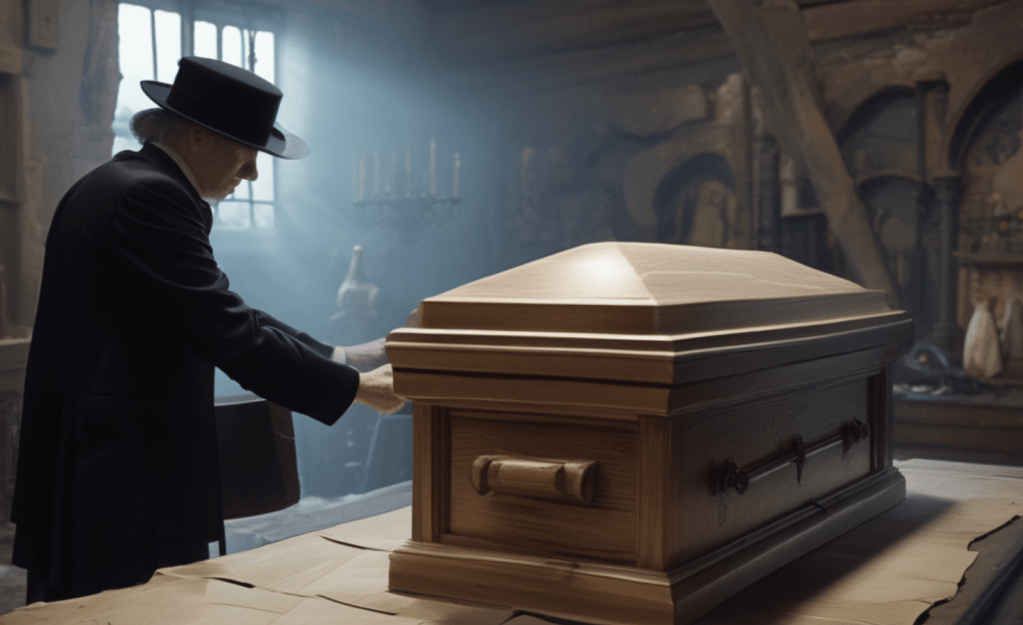
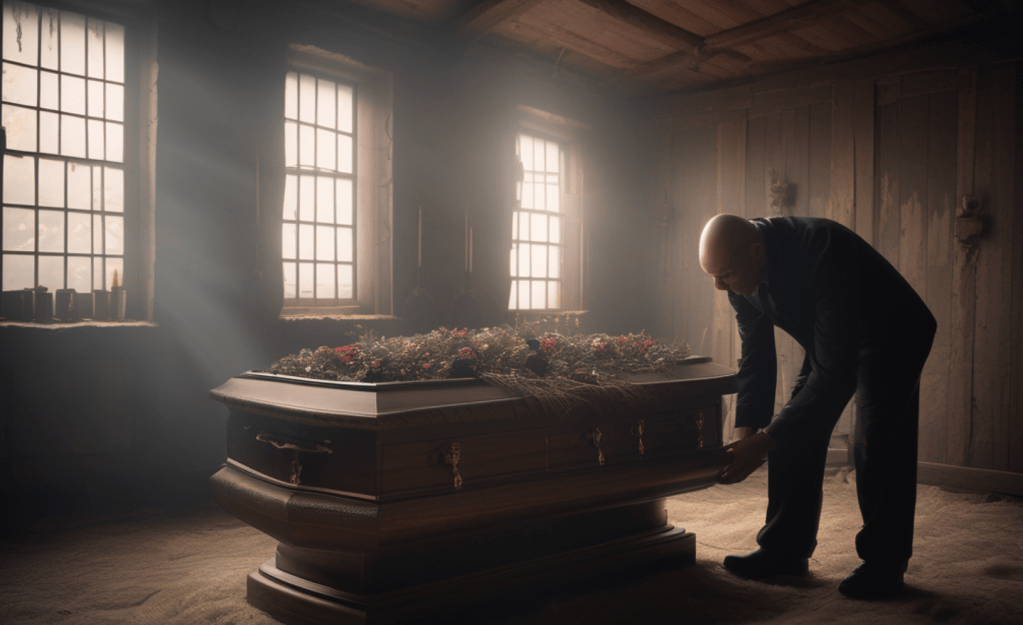














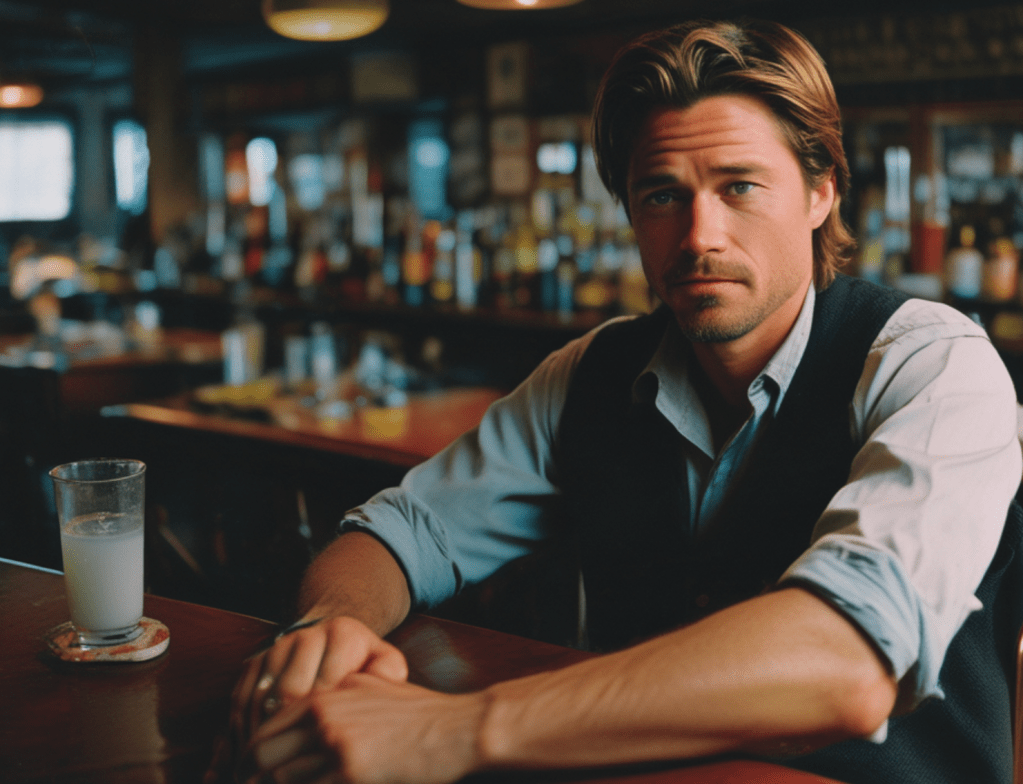
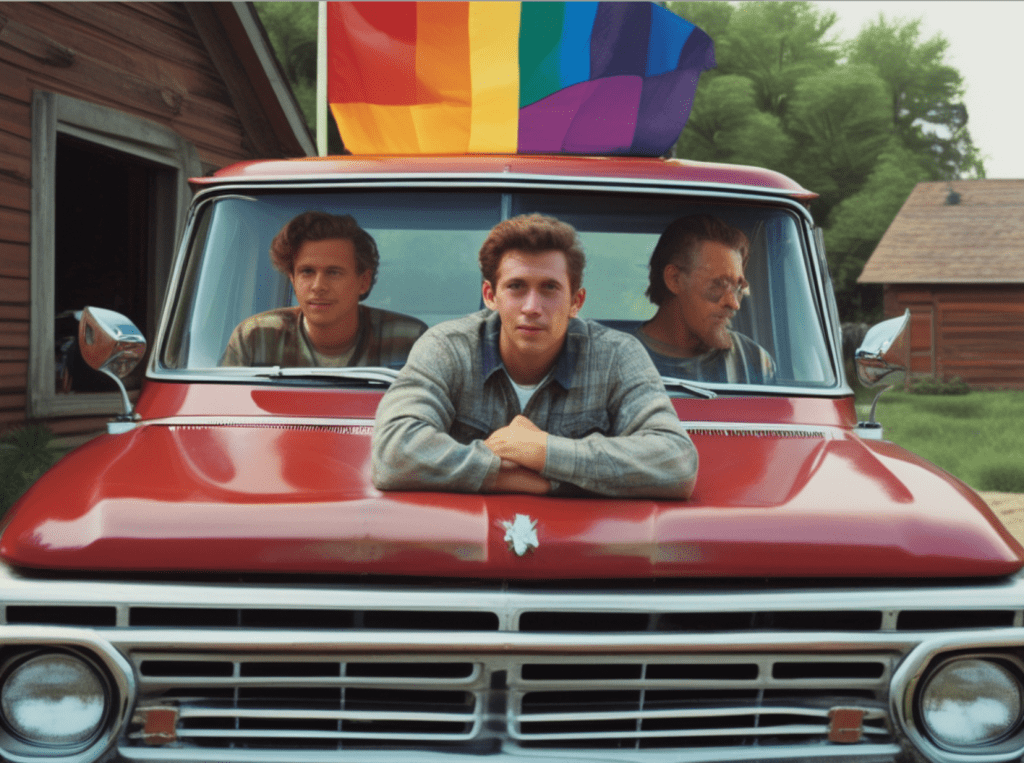










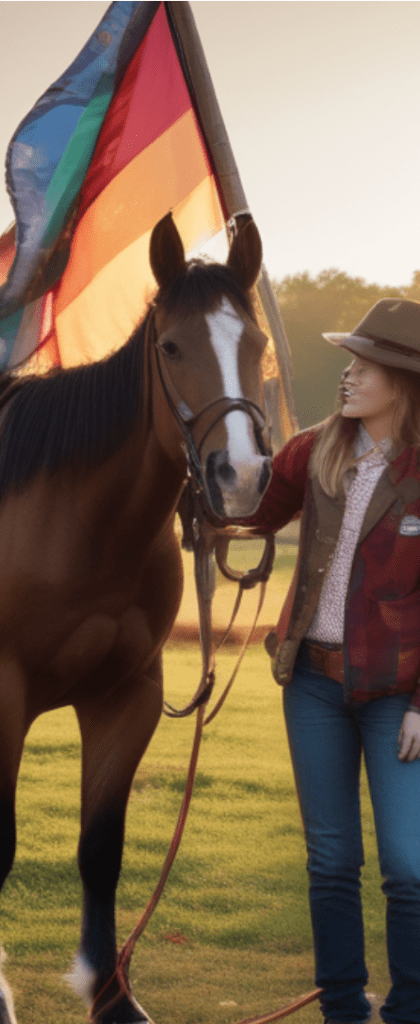


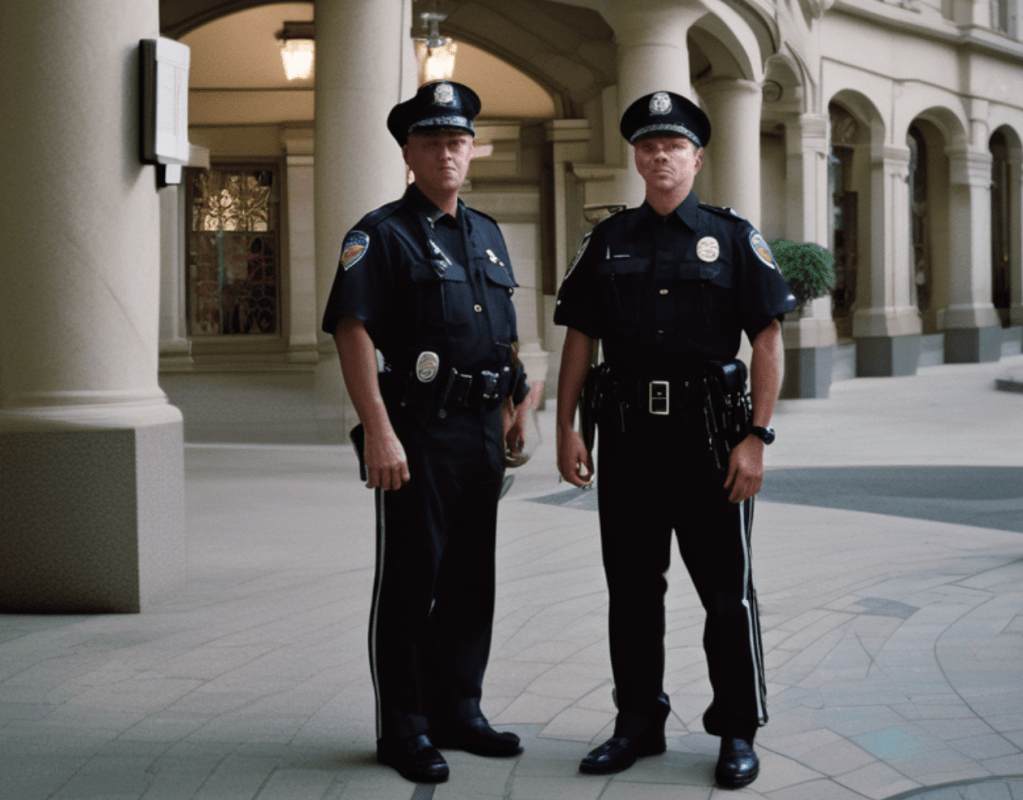




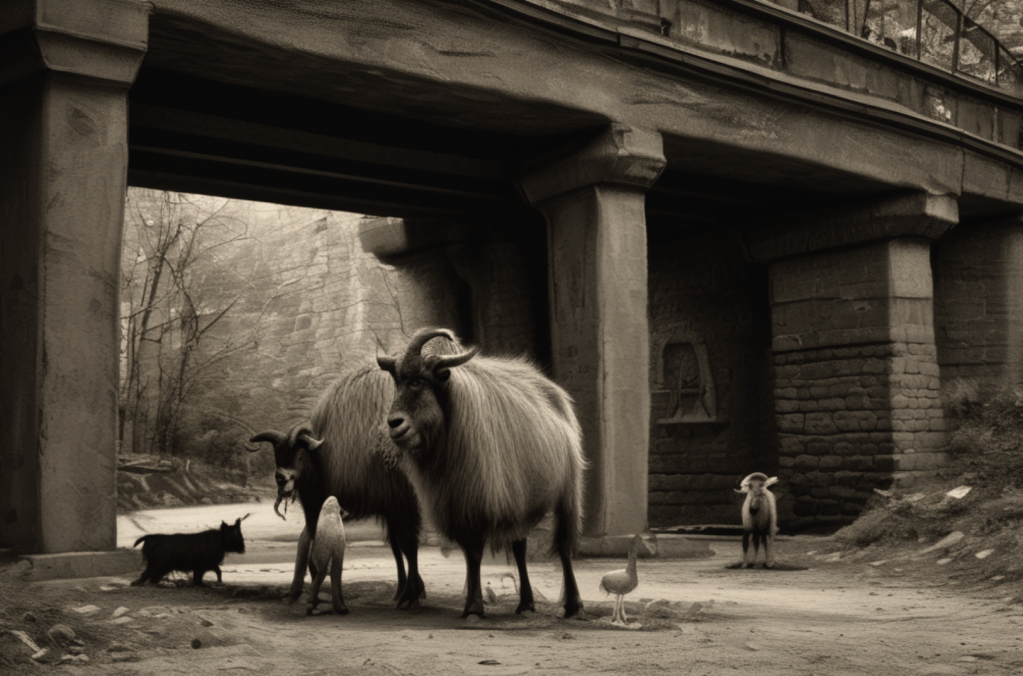





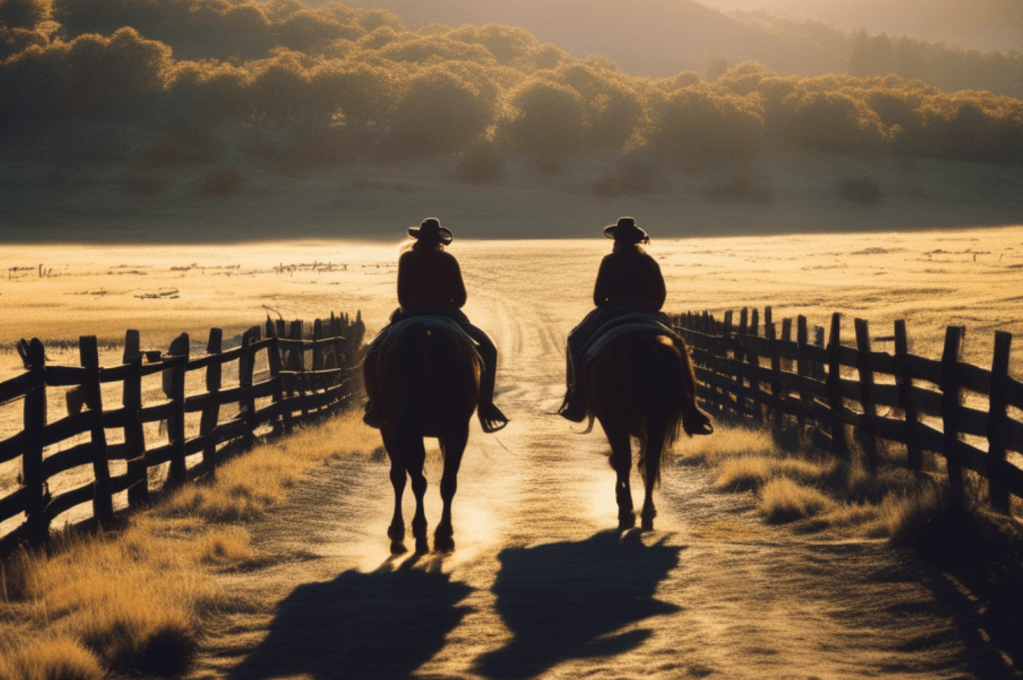




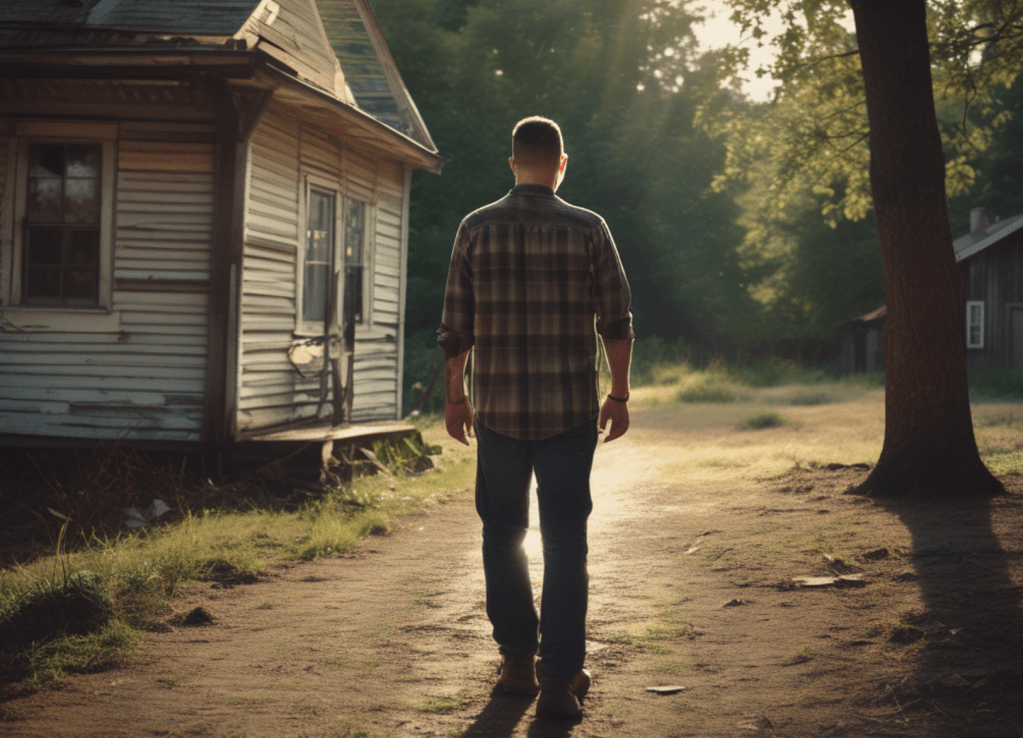











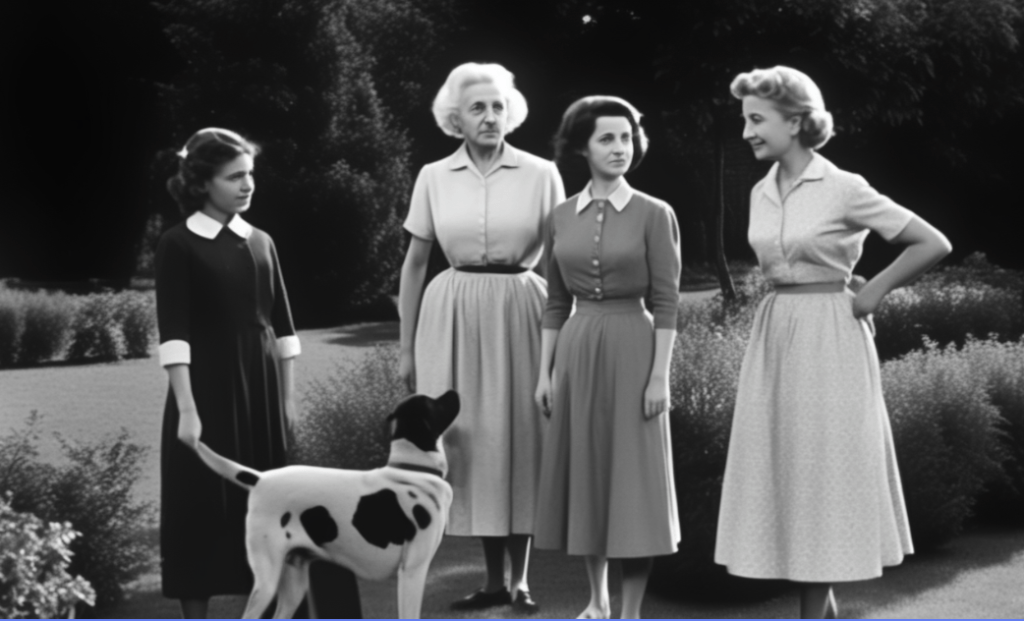

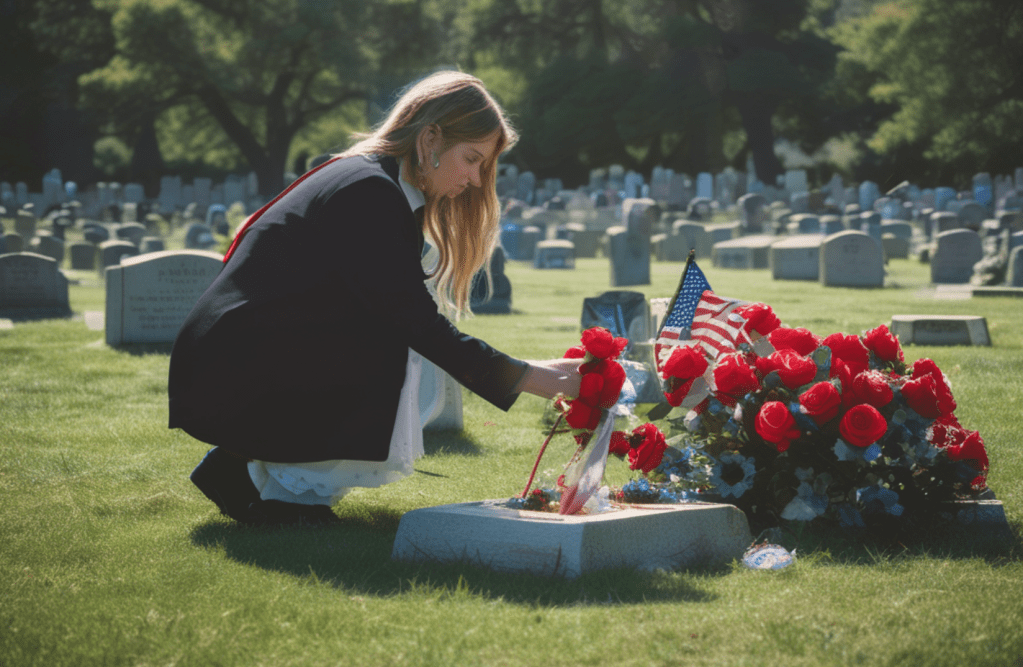
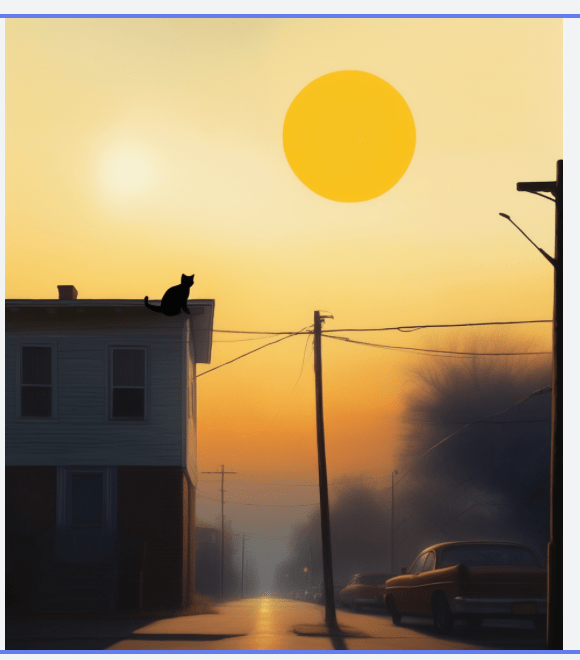
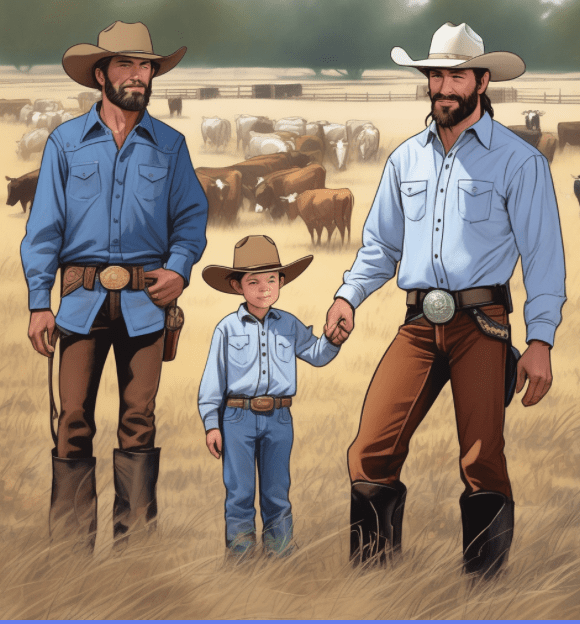
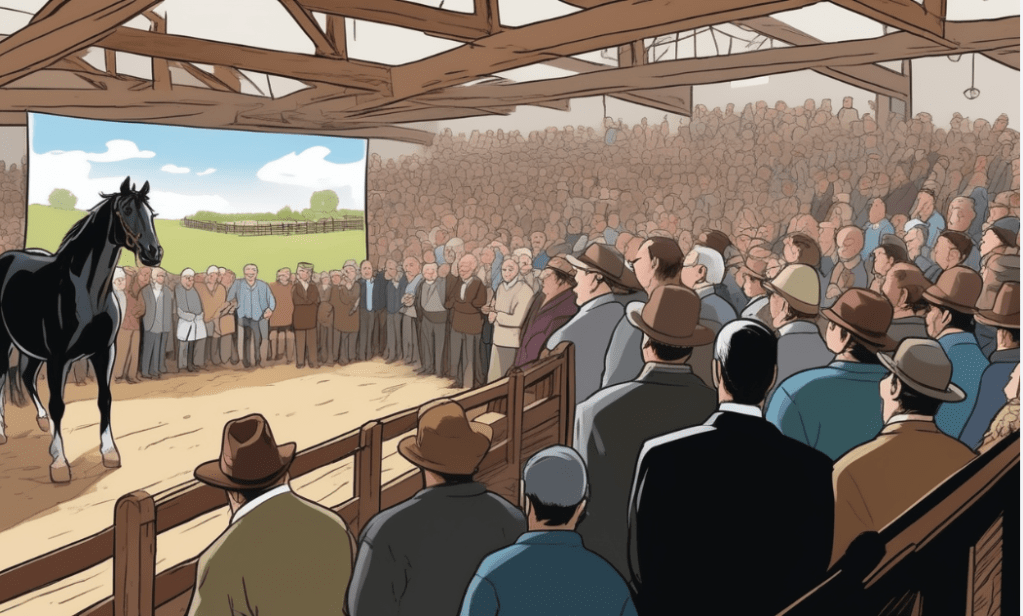
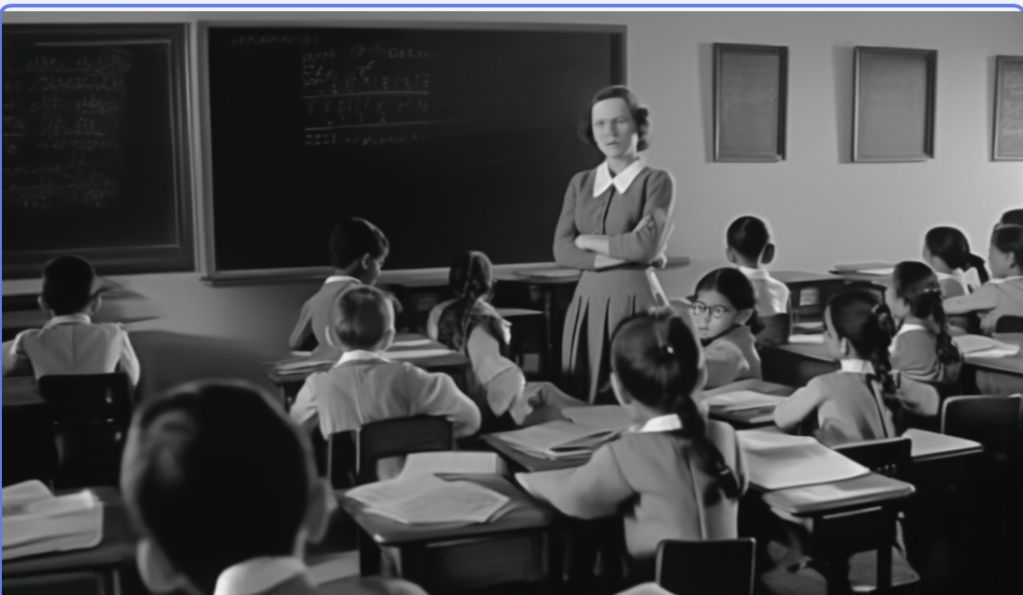
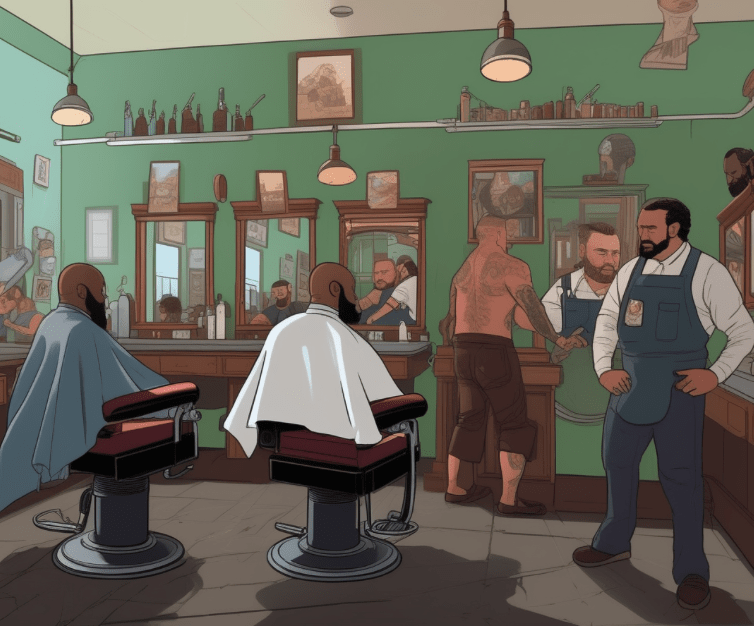
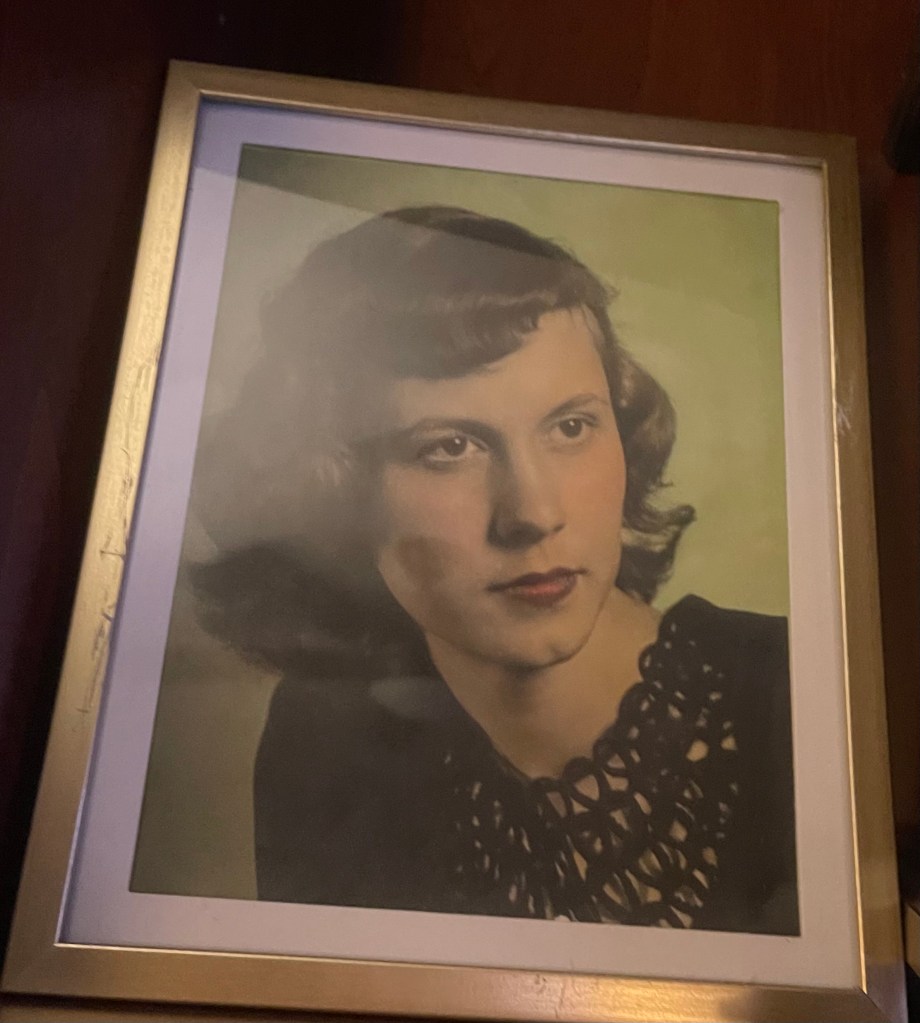



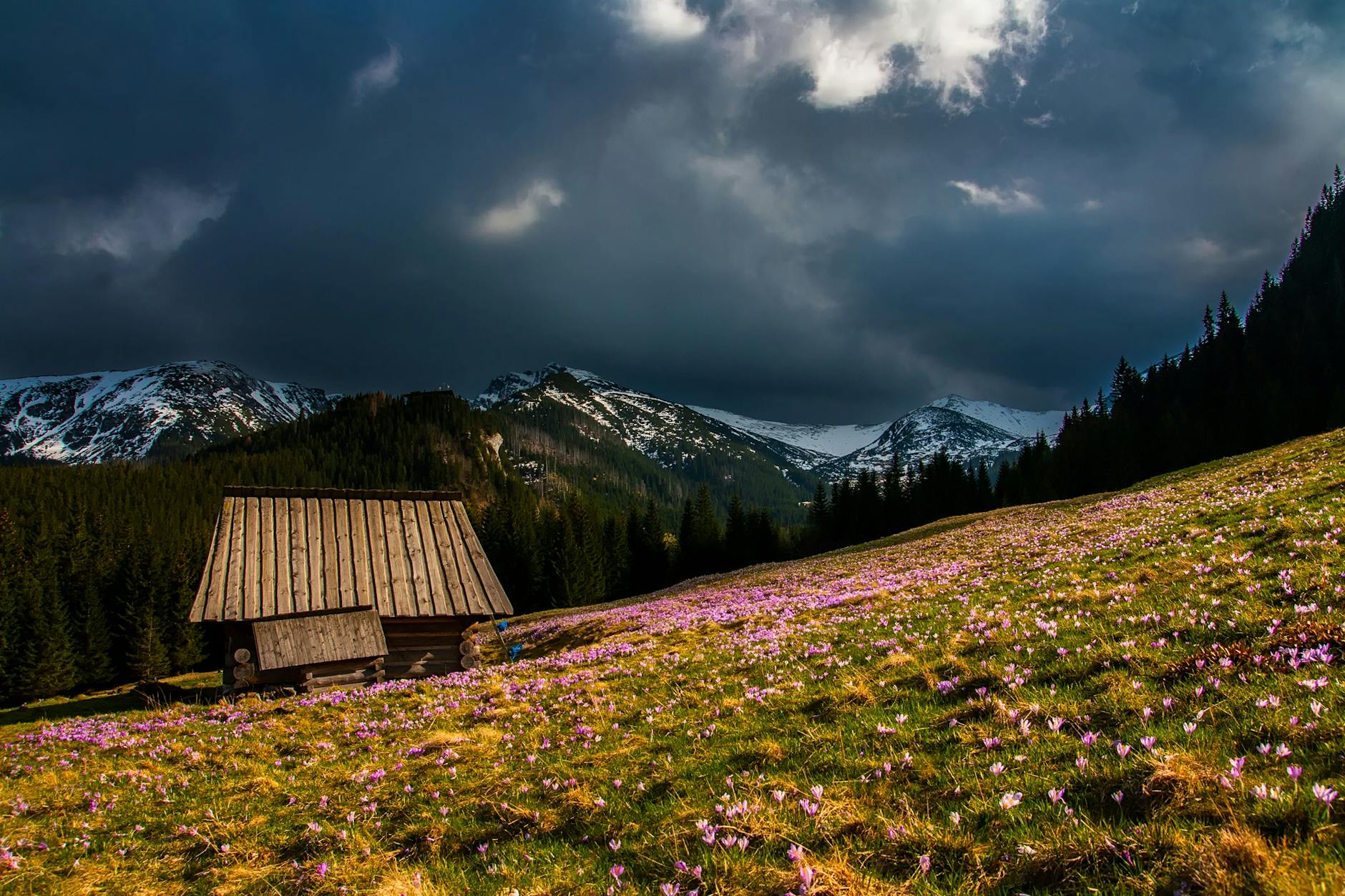


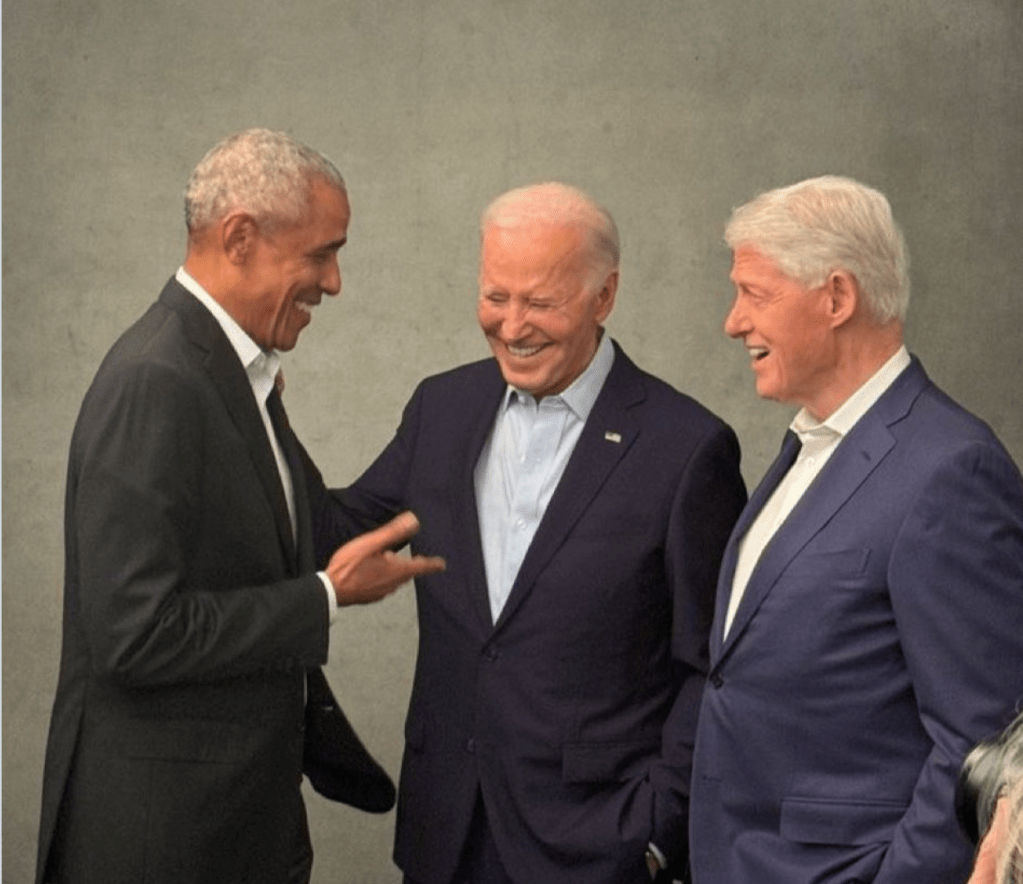






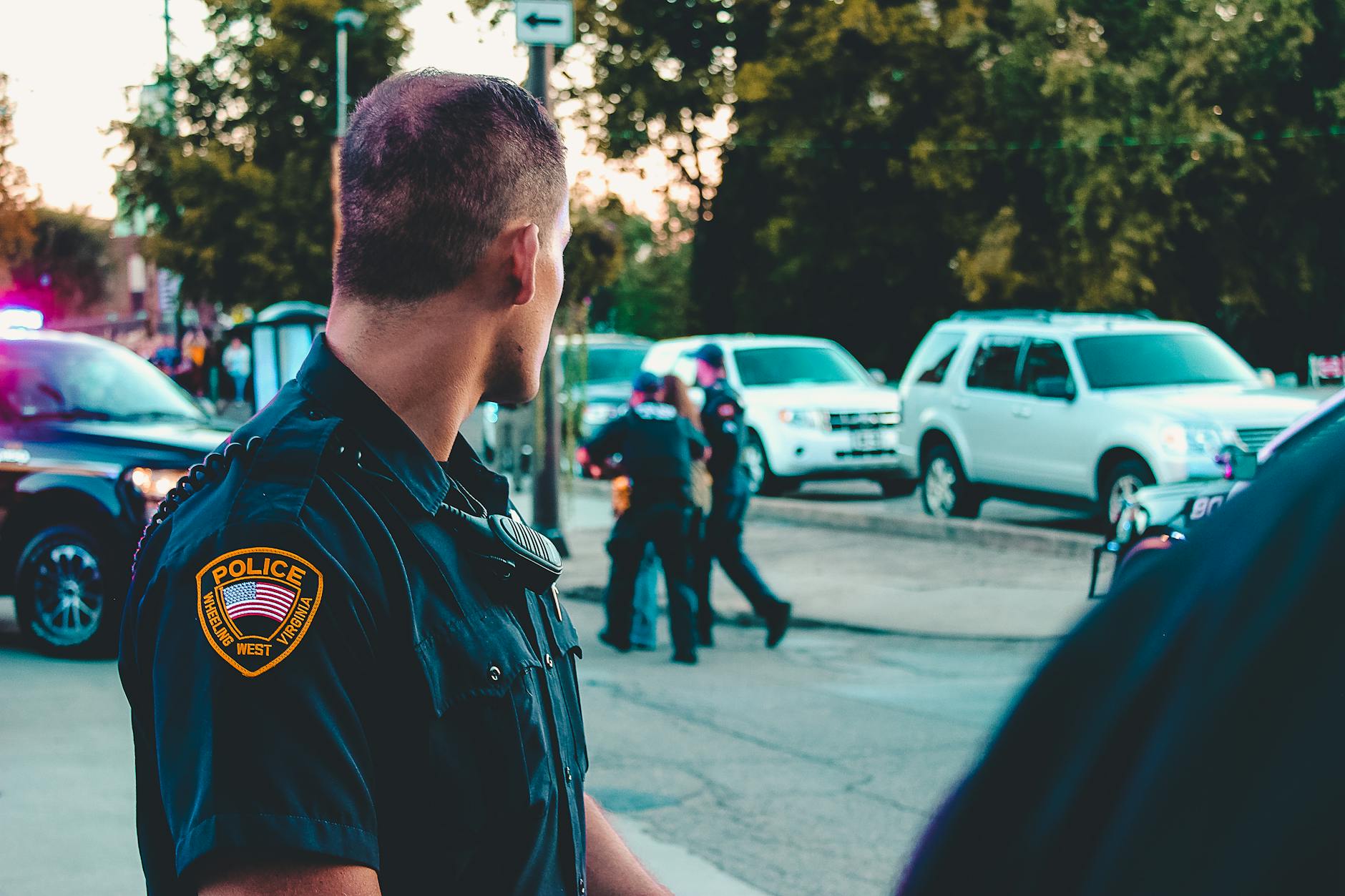















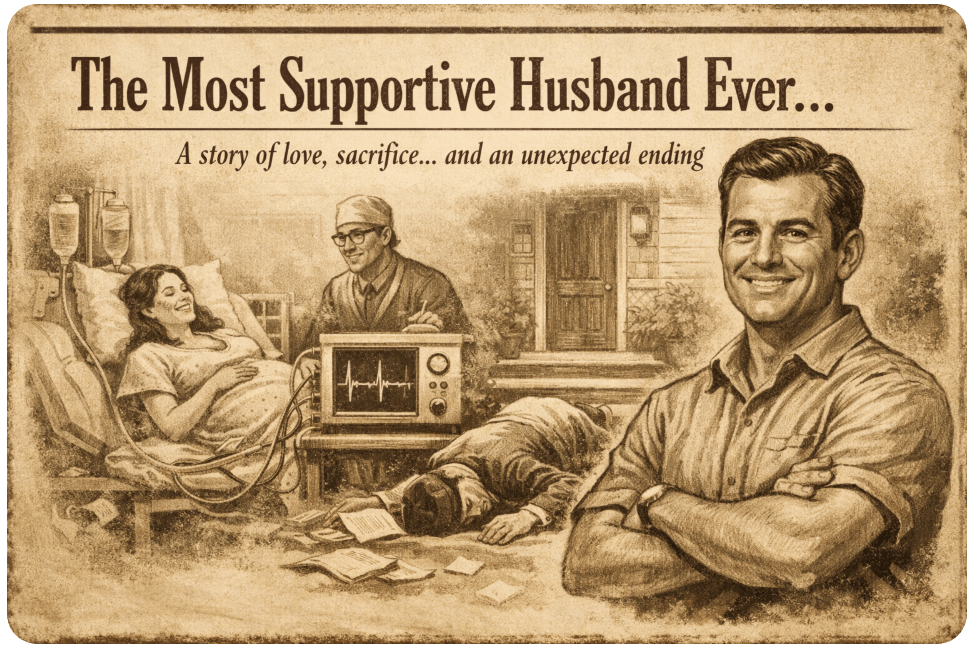
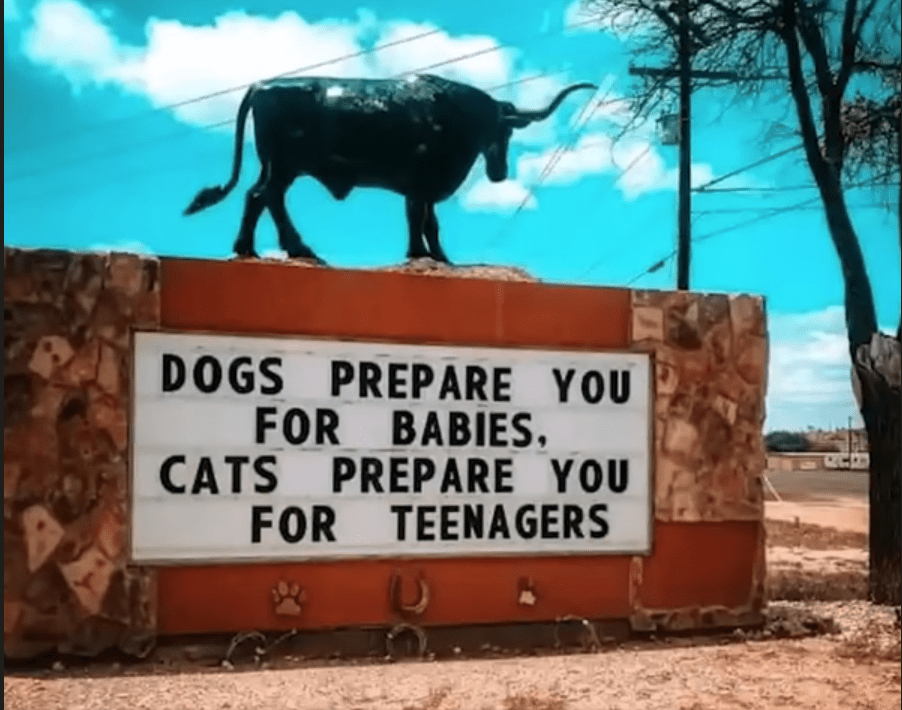
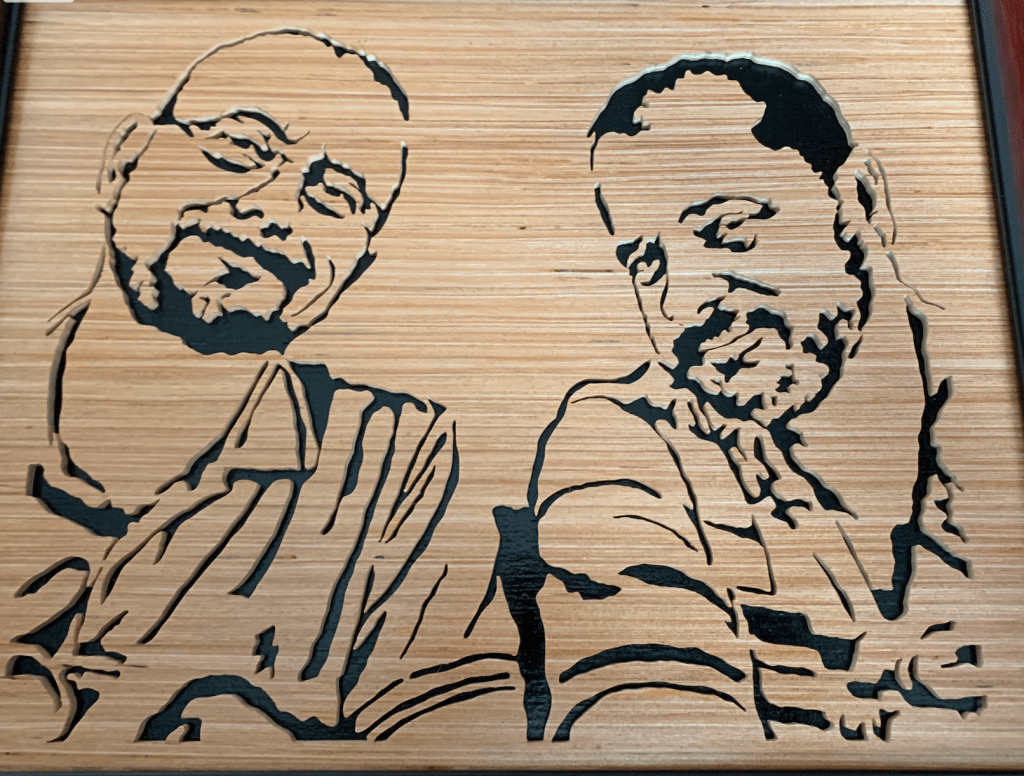





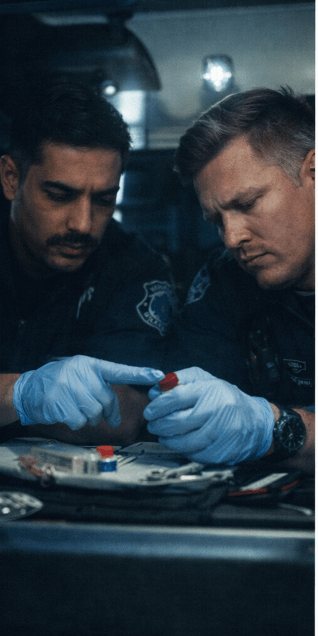
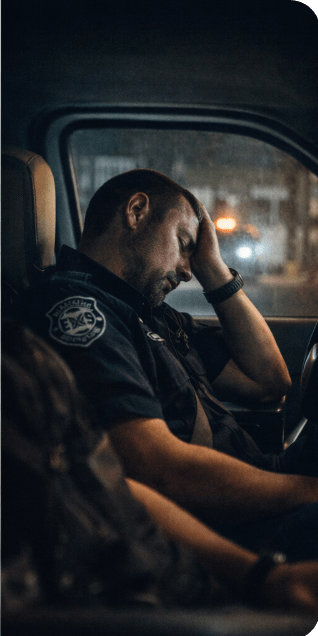




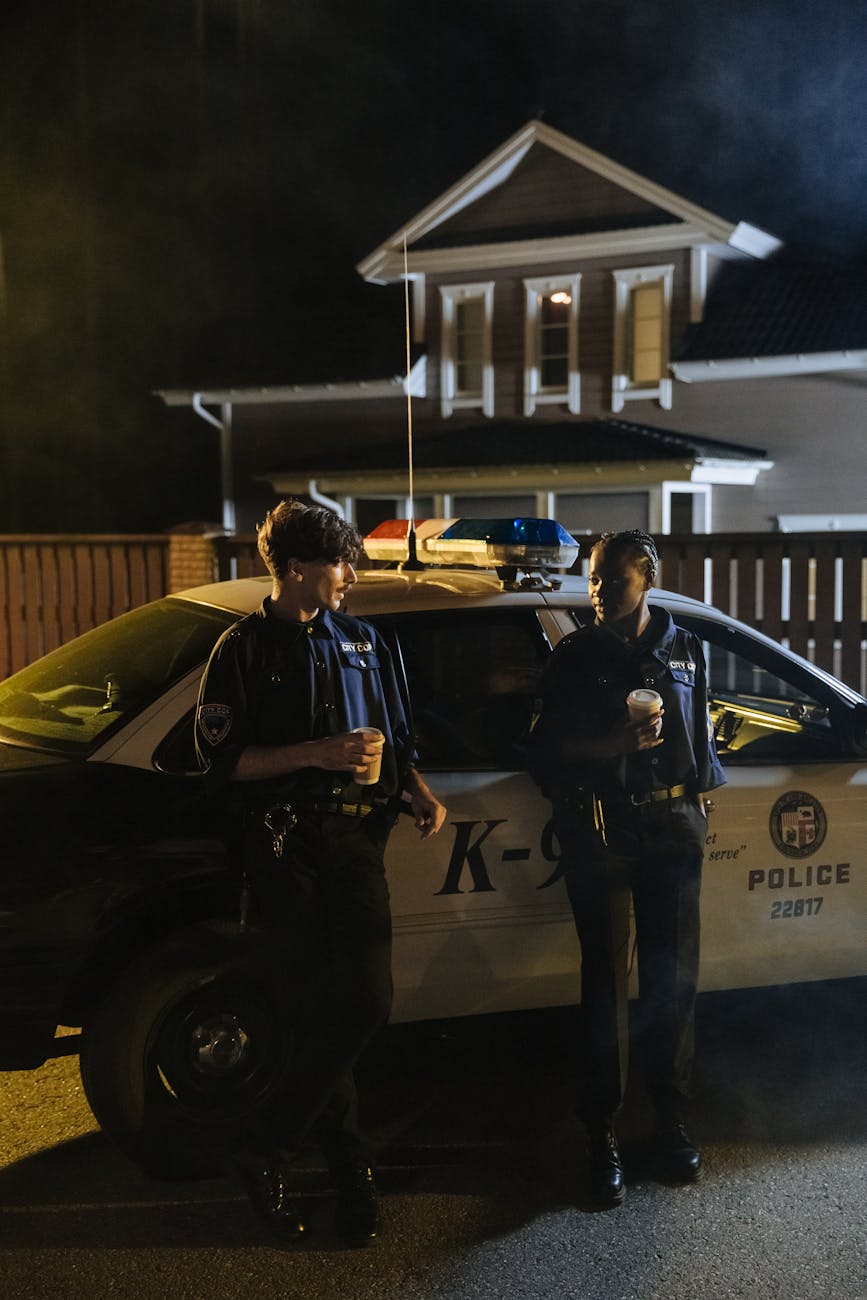









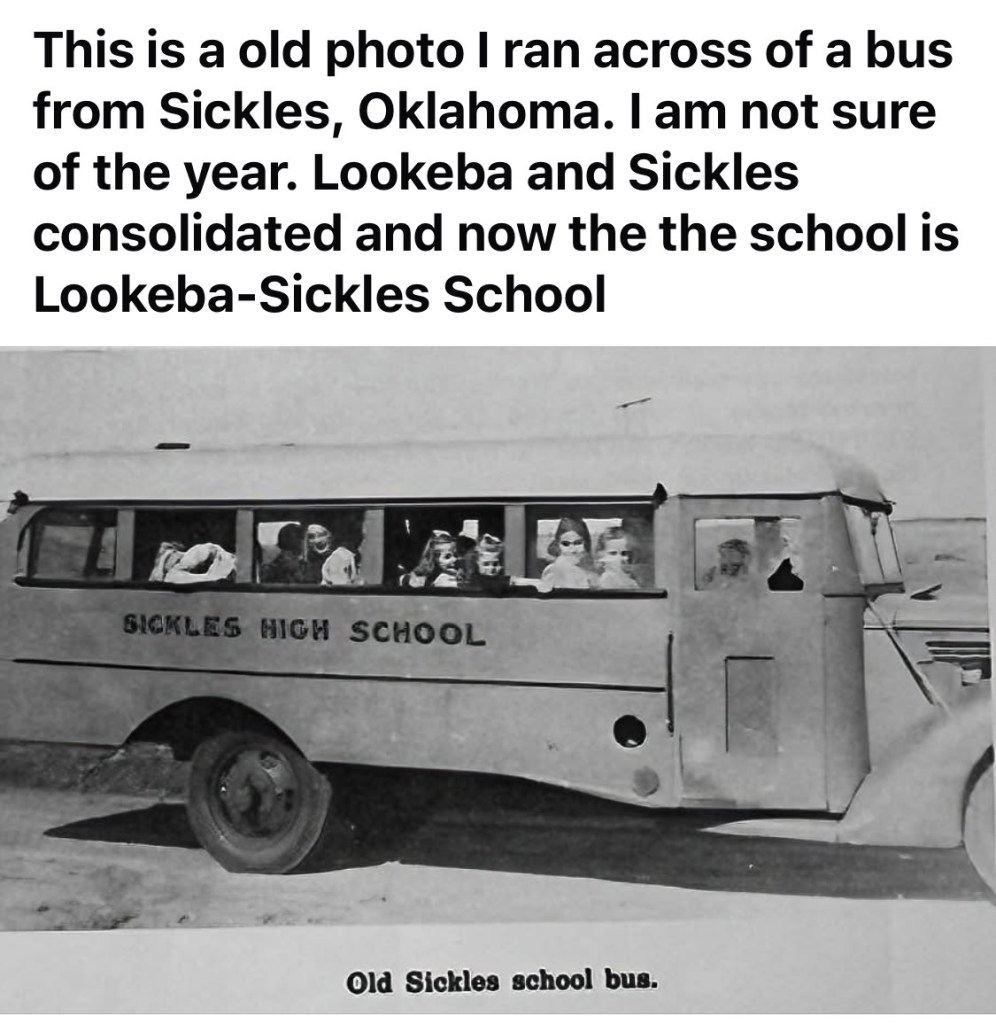
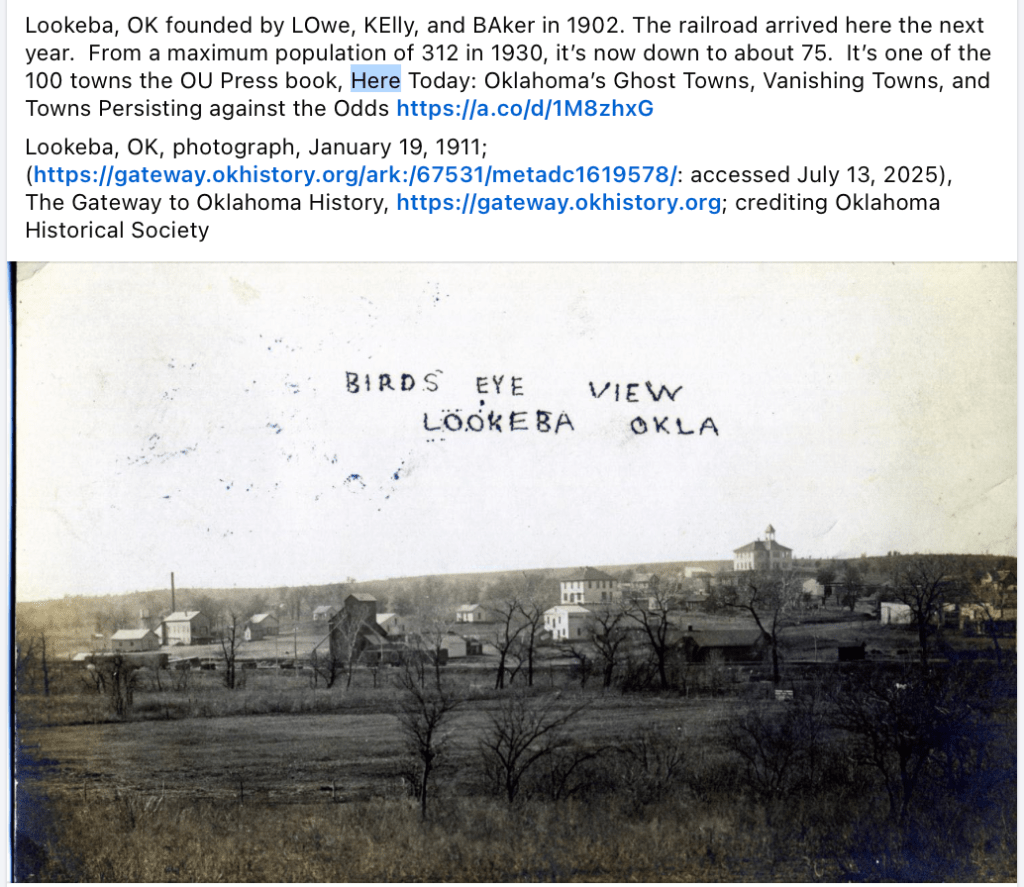
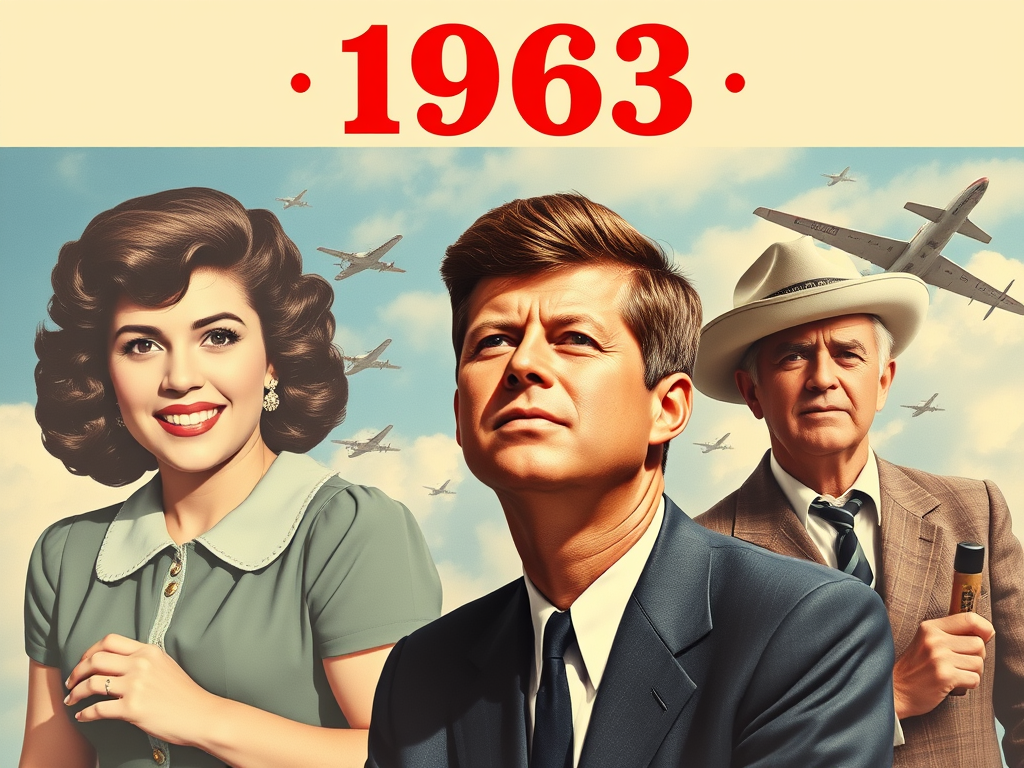

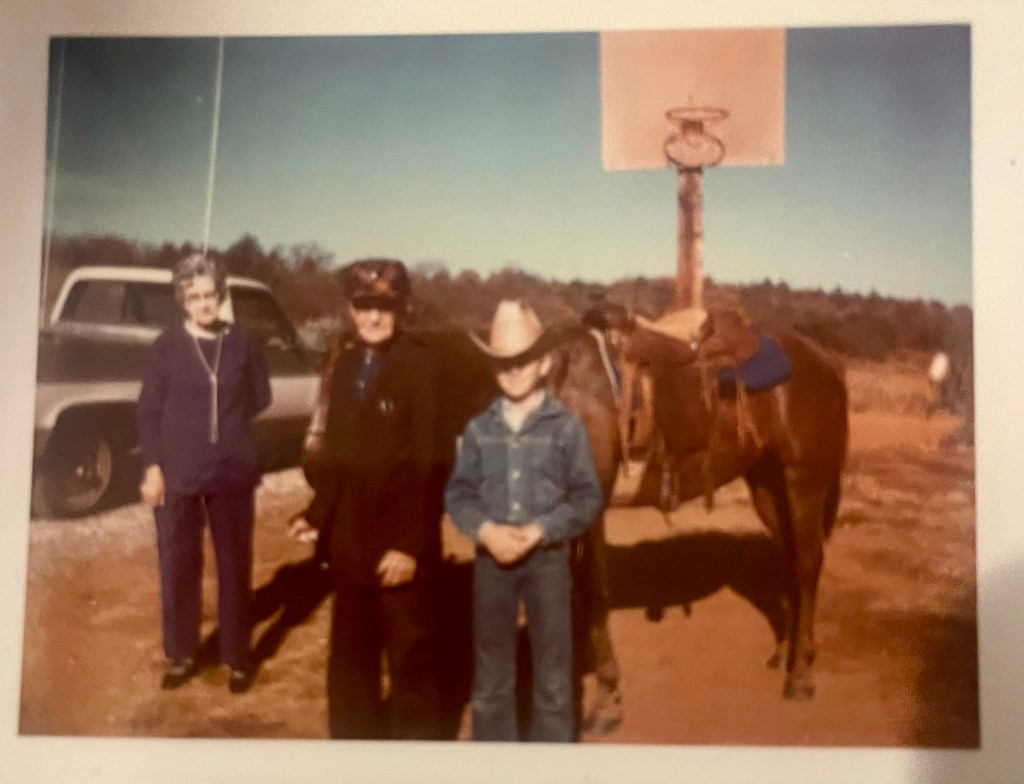



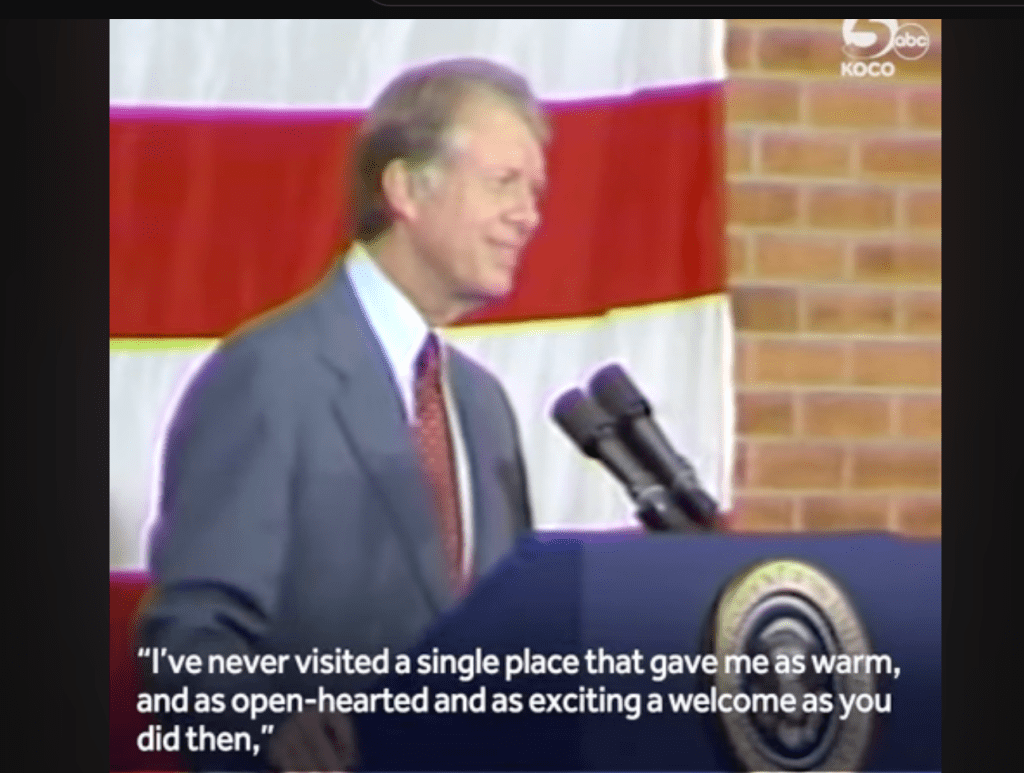

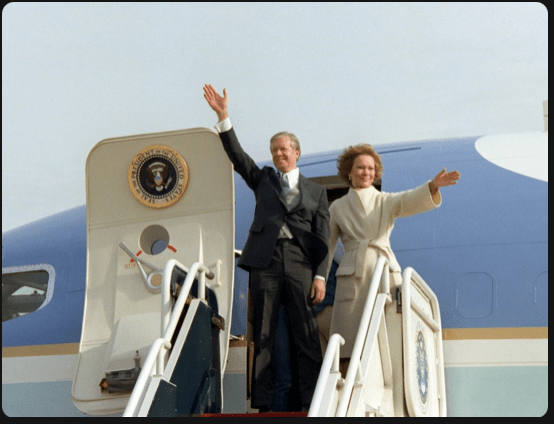
 benandsteve.com
Leave a comment